






A Cleanroom Audit evaluates whether your facility can control contamination, protect product quality, and maintain GMP compliance. While most facilities understand the basics—monitoring, gowning, and cleaning—many still face preventable audit findings that undermine audit readiness, delay release, or trigger costly remediation. These failures aren’t always dramatic, but even slight deviations can signal deeper systemic issues that authorities take seriously.
Below are seven of the most common cleanroom audit failures that put compliance, product integrity, and operational continuity at risk—and what GMP facilities can do to prevent them.
1. Incomplete or Poorly Managed Documentation
Documentation remains a leading cause of audit findings across all GMP-regulated industries. In a Cleanroom Audit, inspectors assess the clarity, consistency, and traceability of cleaning, disinfection, environmental monitoring, and gowning records.
Common issues include:
- Missing or incomplete entries.
- Incorrect timestamps.
- Illegible handwriting.
- Gaps in cleaning logs.
- No record of disinfectant lot numbers.
- Missing signatures or initials.
Inconsistent documentation tells auditors that procedures may not be followed—or that processes are not under control. Correcting this issue requires clear SOPs, good documentation practices training, and frequent supervisory review.
2. Poor Gowning Technique and Behavioral Drift
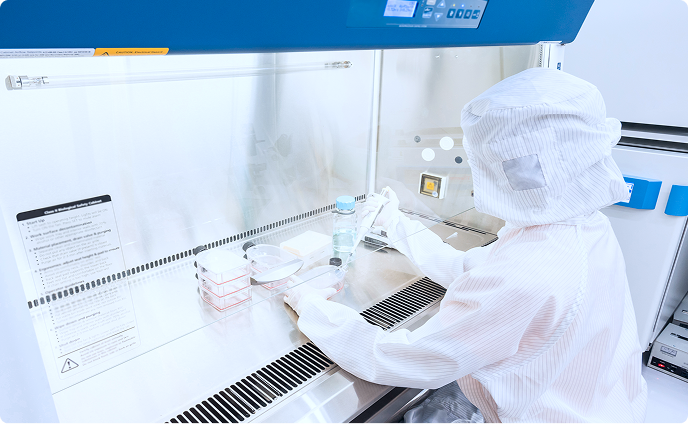
Gowning is one of the most visible and heavily scrutinized areas during a Cleanroom Audit. Even highly trained operators develop behavioral drift over time if gowning is not reinforced through observation and periodic requalification.
Typical failures include:
- Incorrect gowning sequence.
- Touching contaminated surfaces with gloved hands.
- Improper glove sanitization.
- Torn or ill-fitting garments.
- Use of non-validated gowning materials.
- Hair or jewelry exposure.
These deviations create contamination risk and indicate gaps in training or oversight. Regular gowning qualifications and behavior audits are essential for maintaining audit readiness.
3. Environmental Monitoring Gaps or Unexplained Excursions
A robust EM program is central to demonstrating control of viable and non-viable contamination. Audit issues often arise when facilities cannot explain or trend their EM data.
Common failures include:
- Missing EM sampling in required locations.
- Unjustified sampling frequency.
- No action taken after out-of-specification results.
- Poor investigation of EM excursions.
- Incorrect environmental classifications in sampling plans.
When EM data does not align with process risks, auditors are quick to identify gaps. Thorough deviation investigation, trending analysis, and corrective action integration strengthen both compliance and audit readiness.
4. GMP Cleaning Errors and Weak SOP Execution
Cleaning and disinfection failures are among the most damaging issues in a Cleanroom Audit, mainly because they directly affect contamination control. Many findings relate to GMP cleaning errors, including:
- Incorrect cleaning sequence (not top-to-bottom or clean-to-dirty).
- Missing disinfectant rotation.
- Insufficient disinfectant contact time.
- Reuse of non-reusable wipes.
- Failure to clean high-touch surfaces.
- Use of expired or improperly diluted disinfectants.
Even minor errors here undermine environmental control. Strong SOPs, operator qualification, and cleaning validation help ensure consistency across shifts and personnel.
5. HVAC, Airflow, or HEPA Deficiencies
Air handling performance is a primary focus of every Cleanroom Audit. Even minor issues can threaten compliance because airflow directly governs contamination control.
Common failures include:
- Incorrect pressure differentials.
- Unverified air change rates.
- Missing or overdue HEPA integrity tests.
- Airflow visualization not performed or not documented.
- Blocked supply or return vents.
- Turbulence caused by poor equipment placement.
These issues suggest that the cleanroom environment cannot reliably protect product quality. HVAC trending, routine testing, and airflow visualization studies help prevent audit findings.
6. Outdated, Incomplete, or Unclear SOPs
SOPs form the backbone of GMP operations. When SOPs do not reflect current practices, contain vague instructions, or lack appropriate detail, auditors view them as red flags.
Typical SOP-related issues include:
- SOPs that conflict with what operators actually do.
- Undocumented process changes.
- Missing or outdated revision history.
- Vague wording such as “clean thoroughly” or “sanitize as needed.”
- No links to cleaning validation or EM data.
- SOPs not followed or not understood by operators.
Clean, current, accurate SOPs promote consistent performance and ensure operators know exactly what is expected.
7. Poor Training and Insufficient Competency Assessments
Strong training programs determine whether operators understand their responsibilities and perform tasks correctly. During a Cleanroom Audit, inspectors look for evidence that training is effective and measured by competency.
Training-related failures include:
- Read-and-understand training used alone.
- No practical qualification or observation.
- Missing or outdated training records.
- Operators unable to explain procedures.
- No refresher or periodic requalification.
- No linkage between training and deviations.
To avoid these findings, training systems must be structured, documented, and continually reinforced through evaluation.
Preventing Audit Findings Requires Continuous Discipline and Strong Systems
Audit failures rarely stem from one major problem. Instead, they come from multiple small gaps in training, cleaning, gowning, documentation, environmental control, and HVAC performance. By strengthening SOPs, reinforcing behaviors, validating cleaning processes, and improving documentation accuracy, GMP teams can dramatically reduce audit findings and maintain consistent compliance.
If your facility needs support to improve audit readiness, correct GMP cleaning errors, or strengthen cleanroom protocols, our team can help. Contact us to review your current systems and build a cleanroom strategy that supports long-term compliance and operational performance.