







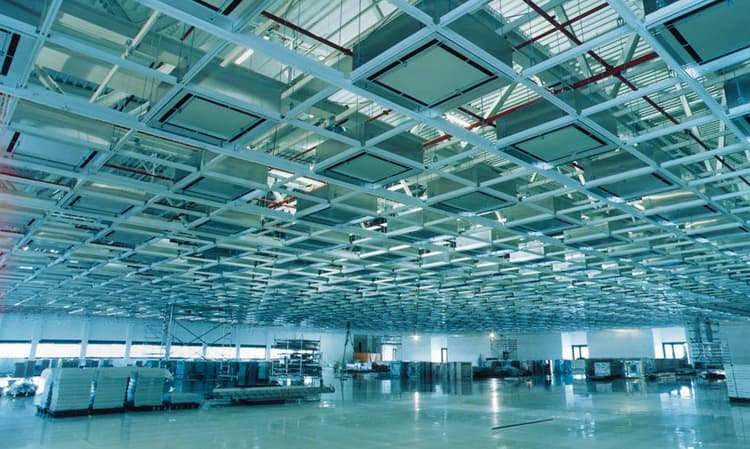
HEPA (High-Efficiency Particulate Air) filters are an essential component of cleanroom design. HEPA filters are designed to remove particles as small as 0.3 microns with an efficiency of 99.97%. HEPA filters are critical for maintaining the required level of cleanliness in cleanrooms.
Here are some essential functions and benefits of HEPA filters in cleanrooms:
1. Particle Removal: HEPA filters remove particles from the air, including bacteria, viruses, dust, and other contaminants. The removal of these particles is critical for maintaining a sterile and contaminant-free environment in cleanrooms.
2. Airflow Control: HEPA filters are designed to provide a uniform airflow throughout the cleanroom. The airflow must be controlled to ensure that the required level of cleanliness is maintained.
3. Contamination Control: HEPA filters are critical for controlling contamination in cleanrooms. Contamination can result from personnel, equipment, and materials. HEPA filters remove particles from the air, preventing contamination from settling on surfaces and products.
4. Compliance: HEPA filters are required for compliance with cleanroom standards and regulations. Cleanroom standards and regulations require that the air in the cleanroom meet the required level of cleanliness. HEPA filters ensure compliance with these standards and regulations.
5. Product Quality: HEPA filters are critical for ensuring product quality in cleanrooms. Contamination can result in product defects, recalls, and reduced product lifespan. HEPA filters help ensure product quality by removing particles from the air, preventing contamination from affecting the product.
HEPA filters are essential components of cleanroom design. HEPA filters remove particles from the air, control airflow, prevent contamination, ensure compliance with cleanroom standards and regulations, and ensure product quality. Maintaining clean HEPA filters is essential for maintaining a sterile and contaminant-free environment in cleanrooms. Contact us for more information.