
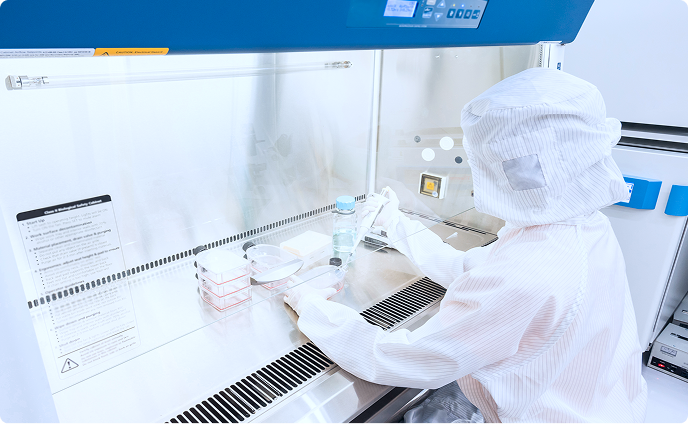






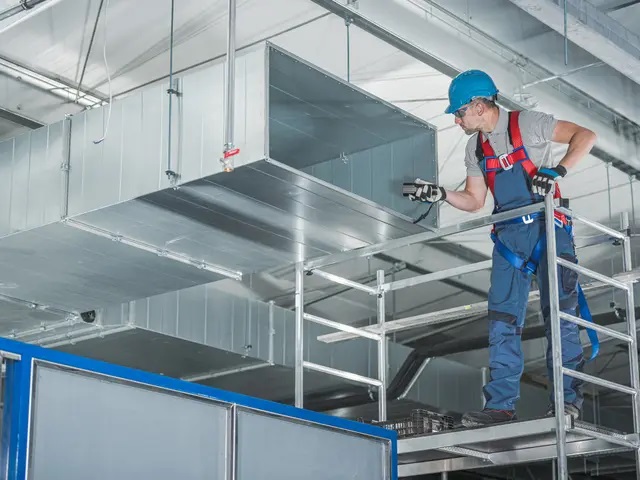
Effective ventilation is a cornerstone of cleanroom design, essential for maintaining air quality, controlling contaminants, and ensuring a stable environment for sensitive processes. This blog post examines the scientific principles that guide cleanroom ventilation design, the types of systems used, and how they contribute to achieving and maintaining the desired cleanliness levels.
Fundamental Aspects of Cleanroom Ventilation
- Control of Airborne Particulates: Ventilation systems in cleanrooms are primarily designed to control and remove airborne particulates. This is achieved through a combination of air filtration, air changes, and strategic airflow patterns. HEPA (High-Efficiency Particulate Air) and ULPA (Ultra Low Particulate Air) filters are commonly used to trap particles as small as 0.3 microns, effectively removing over 99.97% of contaminants from the air.
Airflow Patterns and Direction
The design of airflow patterns is critical to preventing contamination. Cleanrooms typically utilize one of two airflow designs:
- Laminar Flow (Unidirectional): Air flows in a single direction at a uniform velocity, usually from the ceiling to the floor or from one wall to the opposite wall. This design is particularly effective in high-grade cleanrooms where the utmost control over particulates is required.
- Turbulent Flow (Non-unidirectional): Air flows in mixed directions that help dilute airborne particulates with clean, filtered air. This setup is more common in lower-grade cleanrooms where strict control over particle direction is less critical.
Pressure Differentiation
Maintaining positive pressure in cleanrooms relative to adjacent areas prevents the ingress of contaminants. This is achieved by careful calibration of the HVAC system to ensure that air pressure inside the cleanroom is higher than outside, pushing air out rather than allowing unfiltered air in.
Challenges in Ventilation Design
Designing an effective cleanroom ventilation system involves addressing several challenges:
- Energy Efficiency: High-efficiency filters and continuous air changes require significant energy use. Balancing energy consumption with effective particulate control is a key challenge.
- System Integration: Integrating ventilation with other building systems without compromising cleanroom integrity requires meticulous planning and execution.
- Adaptability: Cleanroom operations can evolve, necessitating changes in ventilation needs. Designing systems that can adapt to changing requirements is crucial.
Best Practices in Cleanroom Ventilation Design
- Engage with experienced HVAC engineers who specialize in cleanrooms to ensure that all aspects of the ventilation system meet industry standards and operational requirements.
- Regular testing and maintenance of ventilation systems to ensure optimal performance and compliance with regulatory standards.
- Use of advanced modeling tools to simulate airflow patterns and identify potential contamination risks before finalizing the design.
The design of cleanroom ventilation systems is a complex but critical component of cleanroom engineering. Proper ventilation not only supports compliance with cleanliness standards but also enhances the overall operational efficacy of cleanroom facilities. Through strategic design and regular maintenance, cleanrooms can ensure that their environments remain controlled and free from contamination. Contact us for more information.