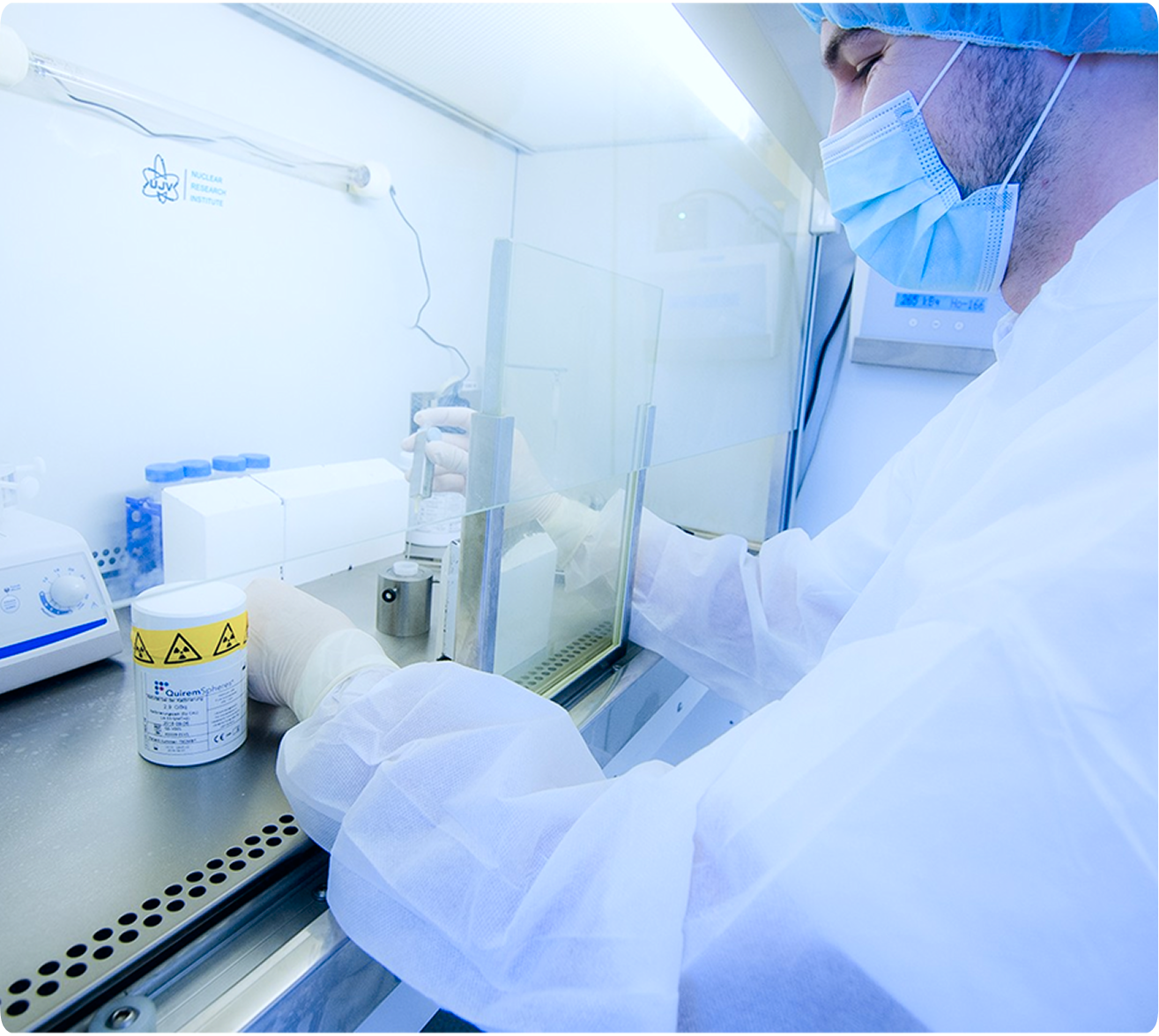
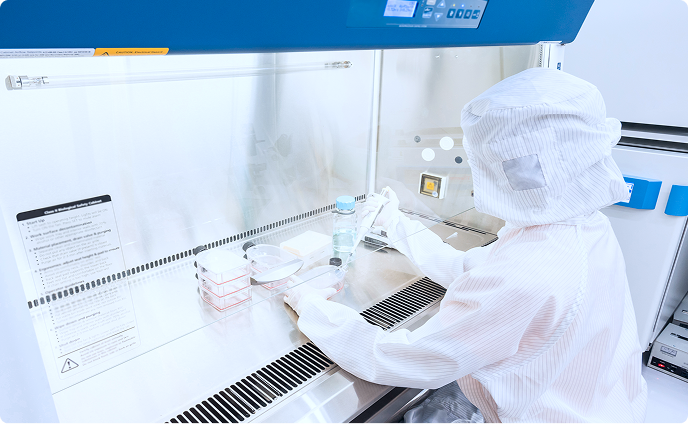




Contamination control is a critical aspect of cleanroom operations in the pharmaceutical, biotechnology, and medical device industries. Cleanrooms and GMP facilities are designed to control and minimize the introduction, generation, and spread of contaminants that can compromise the integrity of the manufacturing processes and products.
Contaminants in a cleanroom can come from various sources, including people, equipment, and materials. Common contaminants include airborne particles, microorganisms, chemicals, and electromagnetic interference. The presence of even small amounts of contaminants can lead to product failures, reduced yields, and increased risks to patient safety.
To ensure that cleanrooms and GMP facilities meet the required standards, contamination control must be applied at every stage of the facility’s lifecycle. This includes facility design, construction, commissioning, qualification, and ongoing maintenance.
Principles of contamination control
The key principles of contamination control are based on the following measures:
Personnel control
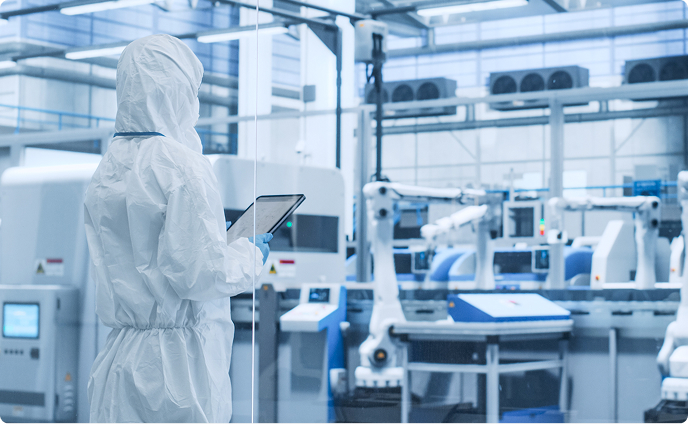
The behavior of people entering the cleanroom is critical in maintaining a clean environment. Proper attire, hand washing, and training are required to prevent the introduction of contaminants.
Environmental control
The cleanroom environment must be tightly controlled to minimize the introduction of contaminants. This includes control of temperature, humidity, and air pressure, and the use of HEPA filters to remove airborne particles.
Equipment control
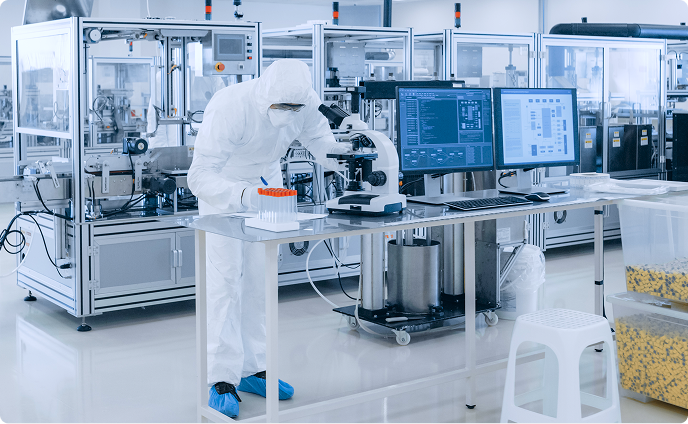
All equipment must be properly designed, installed, and maintained to prevent the generation of contaminants. This includes regular cleaning and maintenance of equipment and the use of properly validated cleaning and sterilization procedures.
Material control
All materials entering the cleanroom must be thoroughly evaluated and controlled to prevent the introduction of contaminants. This includes inspection of incoming materials, proper storage, and handling procedures, and use of validated sterilization processes.
Process control
Manufacturing processes must be designed and validated to minimize the generation and spread of contaminants. This includes proper design and validation of equipment and processes, use of validated cleaning and sterilization procedures, and regular monitoring of the cleanroom environment.
Conclusion
Contamination control is critical for maintaining a clean and safe work environment in cleanrooms and GMP facilities. The principles of contamination control must be followed at all stages of the facility’s lifecycle to ensure the integrity of the manufacturing processes and products. By implementing these measures, companies can reduce the risks of product failures, improve product quality, and enhance patient safety. Contact us for more information.