








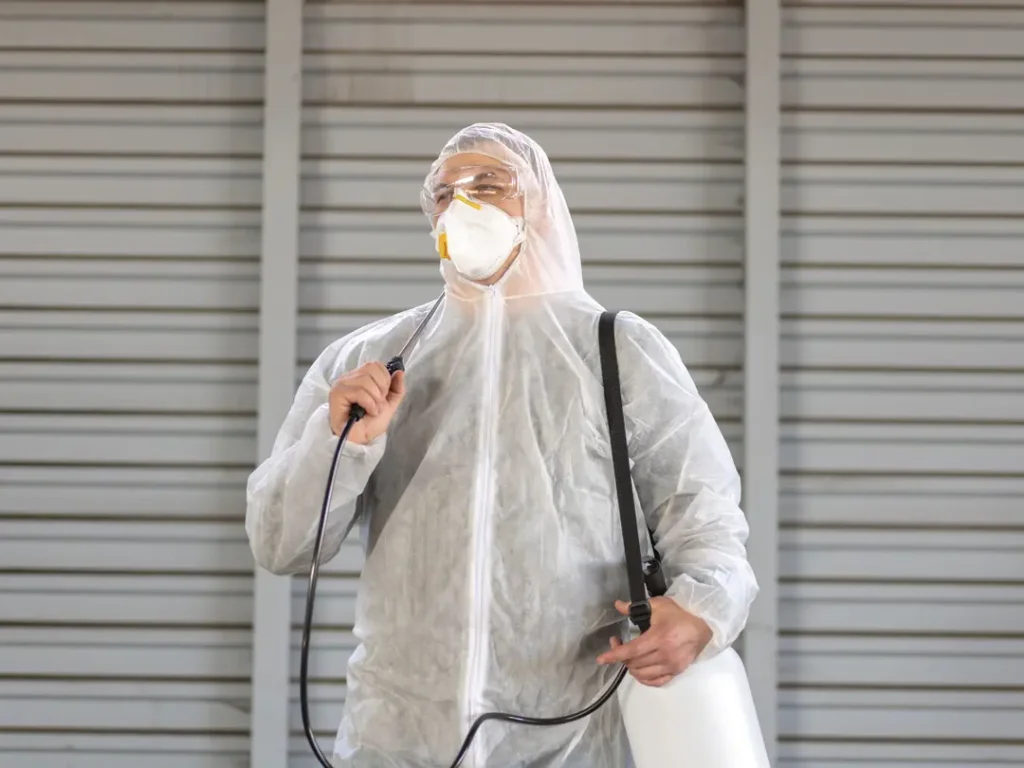
Protective gear is essential in cleanrooms to prevent contamination and protect staff from exposure to harmful substances. Recent advancements in technology and materials science have led to significant improvements in the design and functionality of cleanroom protective gear. This blog post highlights these developments and their impact on cleanroom operations.
Innovative Materials in Protective Clothing
The evolution of materials used in cleanroom garments is pivotal in enhancing their protective qualities while increasing comfort for users:
- Antimicrobial Fabrics: New fabric technologies incorporate antimicrobial properties that actively inhibit the growth of bacteria and other microorganisms on the surface of the garments.
- Breathable, Lightweight Materials: Modern protective garments are designed to be more breathable and lighter than traditional materials, reducing heat stress and improving wearer comfort without compromising protective qualities.
Enhanced Design Features
Design enhancements aim to increase the effectiveness of protective gear while addressing the comfort and mobility of cleanroom staff:
- Ergonomic Designs: Garments are being designed with ergonomic features that fit better and allow greater freedom of movement, which is crucial for tasks requiring precision.
- Sealed Seams and Enclosures: Advances in garment construction include sealed seams and zipper enclosures that prevent the escape of particles, providing a higher level of containment.
Integration of Smart Technology
Protective gear in cleanrooms is becoming smarter with the integration of technologies that enhance safety and compliance:
- Embedded Sensors: Some protective garments now feature sensors that can monitor environmental conditions such as temperature and humidity, or even detect breaches in the integrity of the garment.
- RFID Tags: Incorporating RFID technology into garments enables easy tracking and management of garment life cycles, usage, and laundry cycles, ensuring garments are maintained appropriately.
Improvements in Protective Accessories
Advancements aren’t limited to garments; they extend to all aspects of cleanroom protective gear:
- Gloves and Footwear: New materials and designs in gloves and footwear enhance their protective qualities while improving tactile sensitivity and comfort.
- Head and Face Protection: Innovations in hoods, masks, and face shields focus on improving fit, reducing fogging, and enhancing particle filtration efficiency.
Challenges and Considerations
Despite these advancements, there are challenges in implementing new protective gear in cleanrooms:
- Cost: Advanced protective gear is often more expensive than traditional options, which can affect budget allocations.
- Adaptation: Integrating new types of protective gear into existing protocols can require adjustments in training and procedures.
The advancements in cleanroom protective gear are revolutionizing how cleanrooms maintain safety and compliance. These developments not only enhance the effectiveness of contamination control but also improve the comfort and satisfaction of cleanroom personnel, ultimately leading to more efficient operations. Contact us for more information.