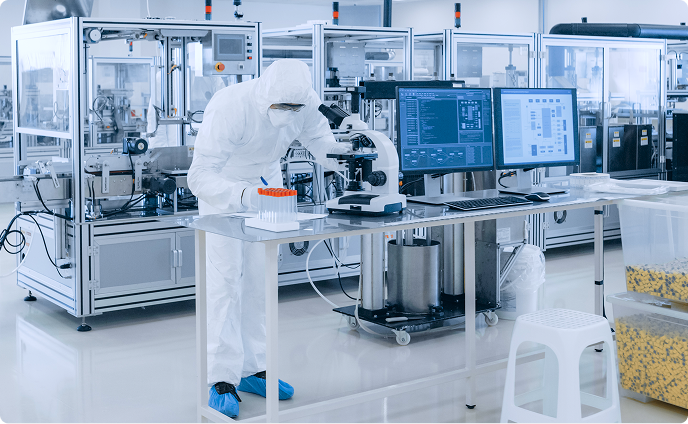
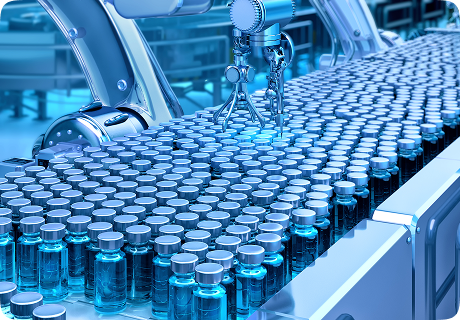
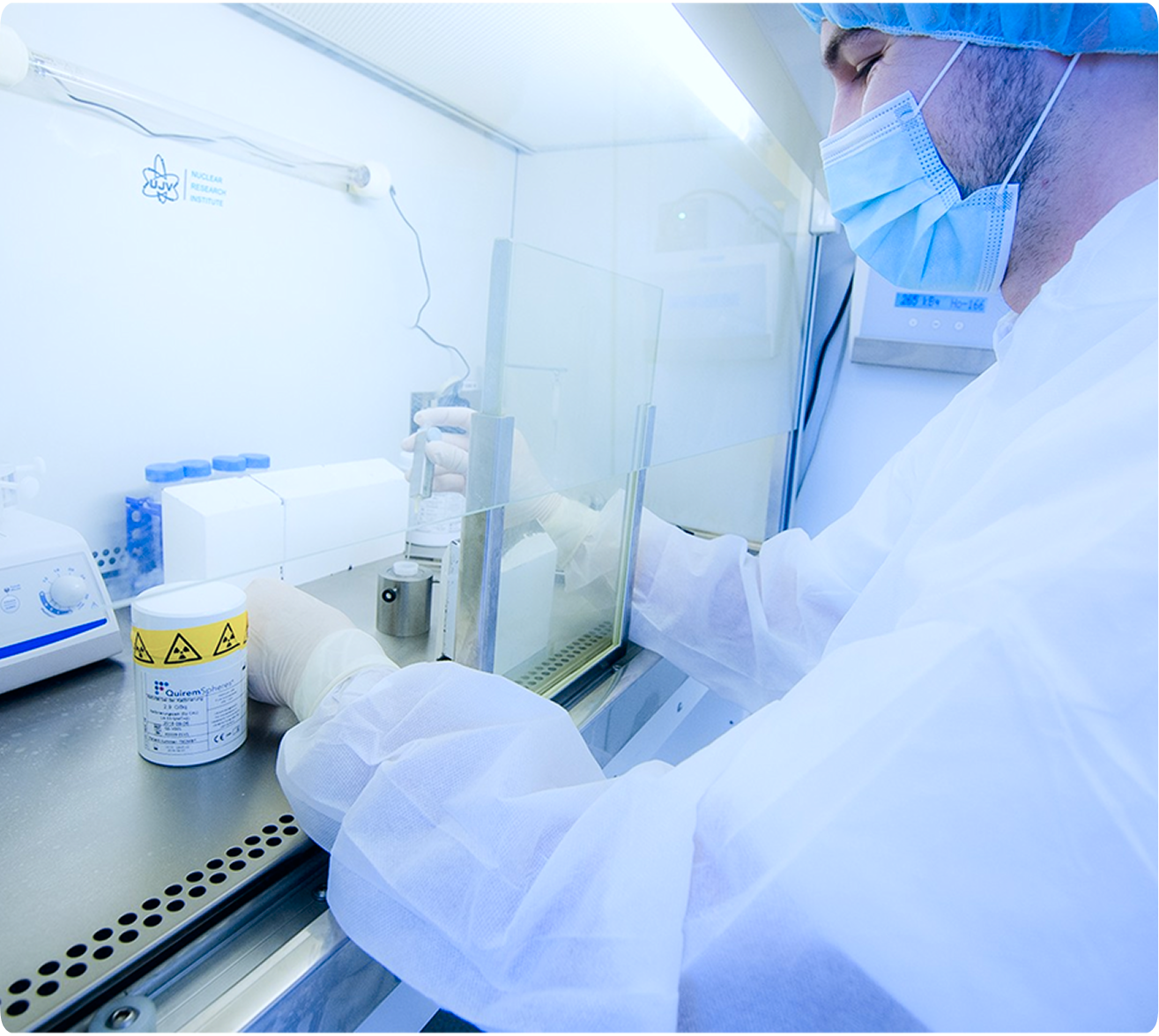
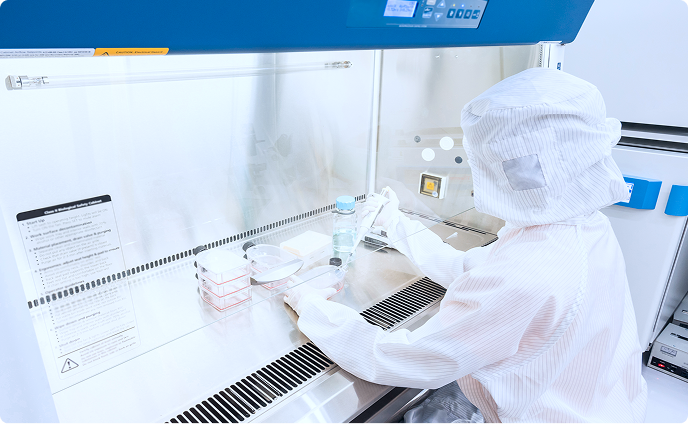
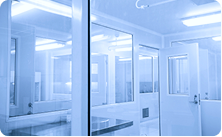






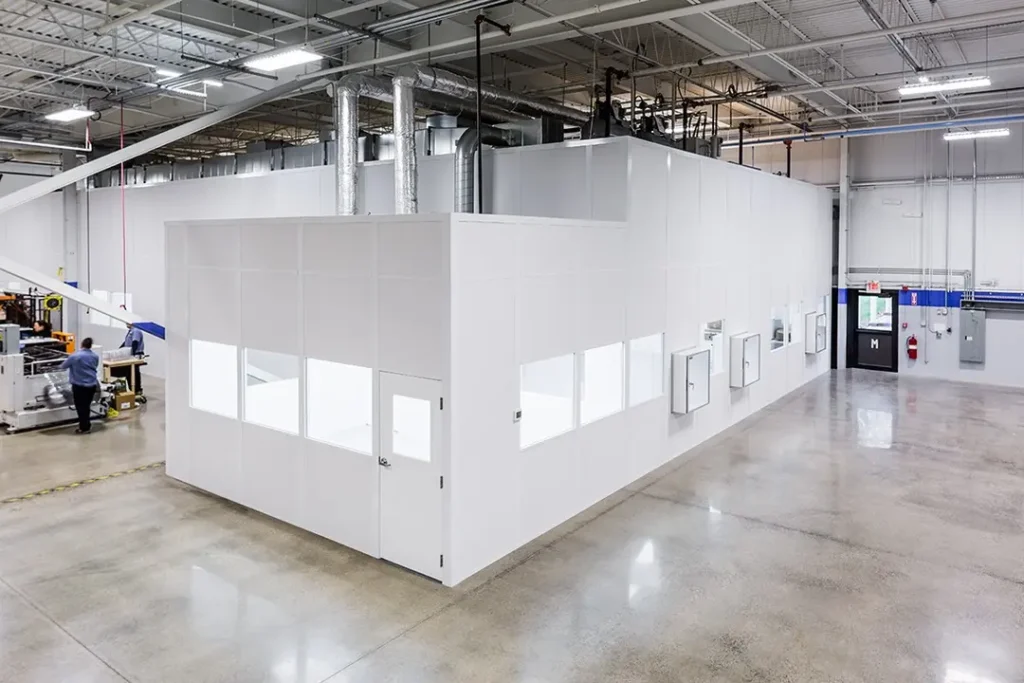
Cleanrooms are highly controlled environments used across industries such as pharmaceuticals, biotechnology, microelectronics, and healthcare to maintain sterile, contaminant-free conditions. Cleanrooms are classified based on the level of cleanliness required for specific applications. Cleanroom classification is based on the number of particles per cubic meter of air.
Here are the different types of cleanrooms and their applications:
ISO Class 1-8 Cleanrooms:
ISO cleanroom classifications are the most widely used classification system worldwide. The ISO standards specify the maximum number of particles per cubic meter of air based on particle size. ISO Class 1 cleanrooms are the most stringent, with only ten particles per cubic meter of air, while ISO Class 8 cleanrooms allow 3.5 million particles per cubic meter of air. Applications of ISO cleanrooms include microelectronics, pharmaceuticals, and biotechnology.
USP 797 Cleanrooms:
USP 797 is a standard for sterile compounding in healthcare facilities. USP 797 cleanrooms are classified based on the level of sterility required for different types of products. The three levels of USP 797 cleanrooms are low, medium, and high risk. Applications of USP 797 cleanrooms include pharmaceutical compounding and preparation of intravenous medications.
Federal Standard 209E Cleanrooms:
Federal Standard 209E is an outdated classification system, but it is still used in some industries. The classification system specifies the maximum number of particles per cubic meter of air based on particle size. The cleanroom classifications range from Class 1 to Class 100,000. Applications of Federal Standard 209E cleanrooms include semiconductor manufacturing, aerospace, and pharmaceuticals.
British Standard Cleanrooms:
British Standard cleanrooms are classified based on particle concentration per cubic meter of air, particle size, and air change rate. The classifications range from Class 1 to Class 9. Applications of British Standard cleanrooms include microelectronics, aerospace, and pharmaceuticals.
GMP Cleanrooms:
GMP (Good Manufacturing Practice) cleanrooms are used in the pharmaceutical and biotechnology industries to manufacture drugs and medical devices. The cleanrooms are classified based on the level of cleanliness required for specific products. The classifications range from Class A to Class D.
In Summary
Cleanrooms are classified based on the level of cleanliness required for specific applications. The classification system used depends on the industry and the type of product being manufactured. It’s essential to understand the different types of cleanrooms and their applications to ensure that the cleanroom environment meets the required standards and regulations. Maintaining a cleanroom environment is crucial to ensuring product quality and safety, as well as protecting end-users’ health and safety. Contact us to learn more.