




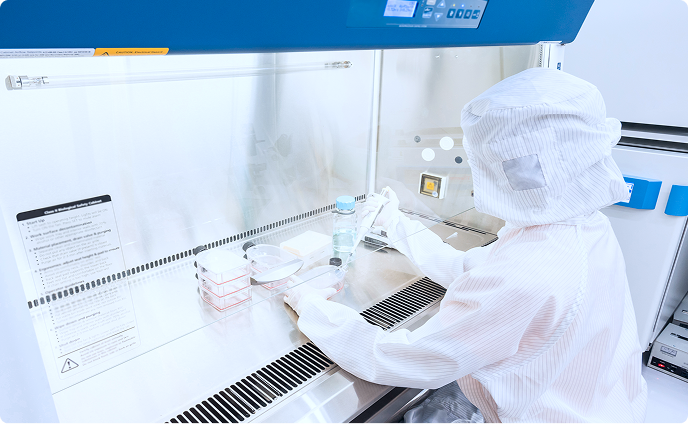








Good Manufacturing Practices (GMP) is an essential part of any pharmaceutical manufacturing process. When it comes to clinical trials, GMP ensures that the investigational product is produced to the highest quality standards, which in turn helps to ensure the safety and efficacy of the product. In this blog post, we will provide an overview of GMP for clinical trials, including the requirements and best practices.
GMP Requirements for Clinical Trials
GMP requirements for clinical trials are outlined in several guidelines and regulations, including the International Council for Harmonisation of Technical Requirements for Pharmaceuticals for Human Use (ICH) guidelines, the US Food and Drug Administration (FDA) Code of Federal Regulations, and the European Medicines Agency (EMA) guidelines.
The key GMP requirements for clinical trials include:
1. Quality Control
Quality control is an essential part of GMP for clinical trials. It involves ensuring that the investigational product is produced consistently to meet the required quality standards. This includes establishing specifications for the product, testing samples to ensure they meet the specifications, and ensuring that any deviations from the specifications are investigated and corrected.
2. Documentation
Documentation is a crucial aspect of GMP for clinical trials. It involves maintaining accurate and complete records of the manufacturing and testing processes, including all deviations and investigations. Proper documentation helps to ensure traceability and accountability throughout the clinical trial process.
3. Personnel
Personnel involved in the manufacturing and testing of investigational products must be appropriately trained and qualified. GMP requires that personnel are trained on the specific procedures and techniques used in the manufacturing and testing processes, and that their training is documented.
4. Facility and Equipment
The facility and equipment used for the manufacturing and testing of investigational products must be appropriately designed, maintained, and qualified. This includes ensuring that the facility and equipment are clean and free from contamination, and that they are regularly calibrated and validated.
Best Practices for GMP in Clinical Trials
In addition to the requirements outlined above, there are several best practices that should be followed to ensure GMP compliance in clinical trials. These include:
1. Risk Management
GMP requires a risk-based approach to the manufacturing and testing of investigational products. This involves identifying potential risks and taking steps to mitigate or eliminate them.
2. Standard Operating Procedures (SOPs)
Standard Operating Procedures (SOPs) should be developed for all manufacturing and testing processes. These SOPs should be followed consistently, and any deviations should be documented and investigated.
3. Auditing and Inspection
Regular auditing and inspection of the manufacturing and testing processes can help to identify areas where GMP compliance can be improved. This includes both internal audits and inspections by regulatory authorities.
GMP is essential for ensuring the safety and efficacy of investigational products used in clinical trials. Compliance with GMP requirements and best practices is critical to the success of a clinical trial. By following the requirements and best practices outlined above, sponsors and investigators can help to ensure that their clinical trials are conducted to the highest quality standards.
Contact us for more information.