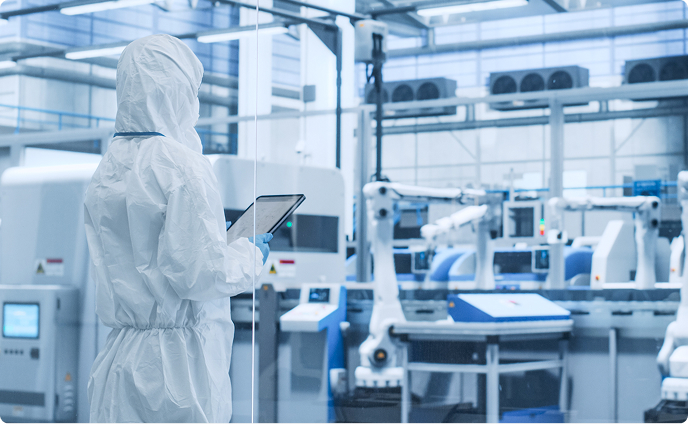
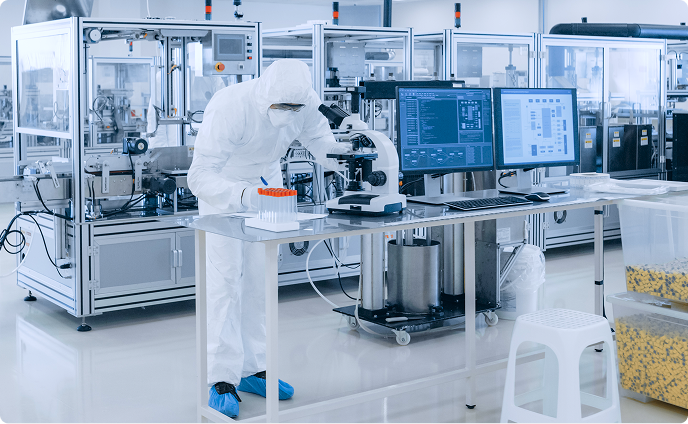
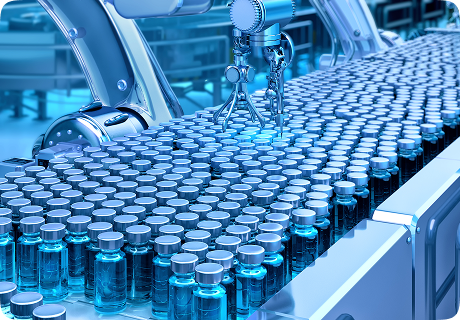
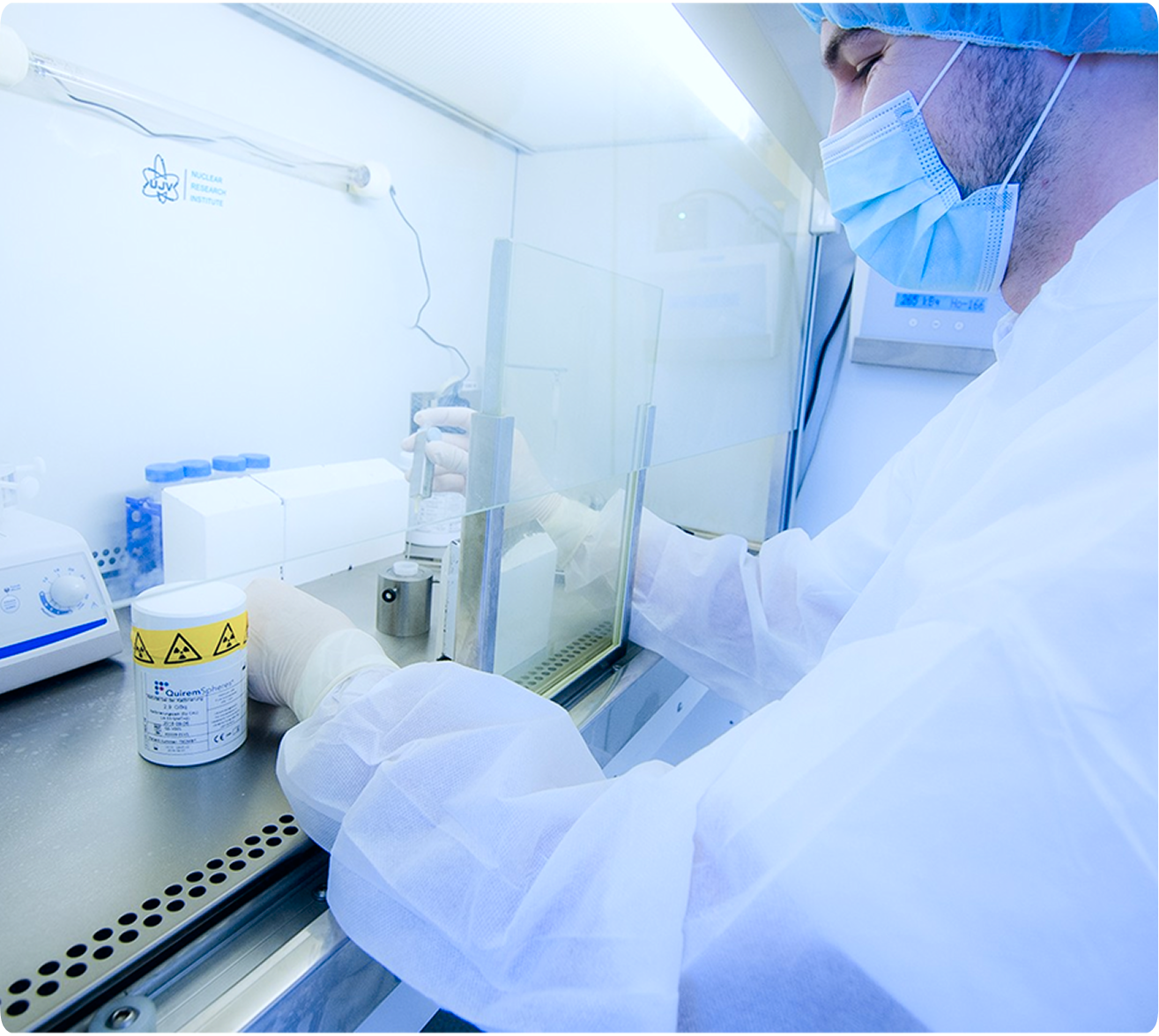
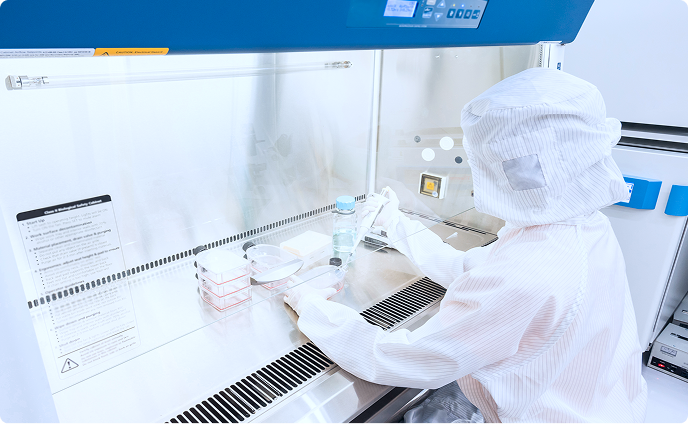
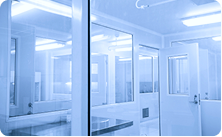
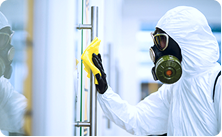
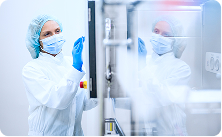



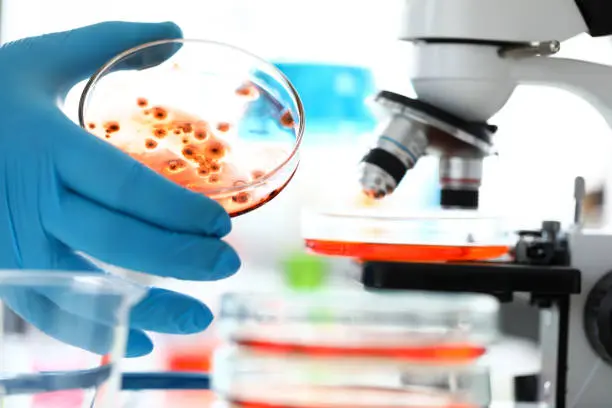
Cleanrooms and GMP facilities are designed to manufacture products that require a controlled environment, free from contaminants that can compromise product quality and safety. The products manufactured in these facilities are typically pharmaceuticals, biologics, medical devices, and other high-value products that require stringent quality and consistency standards.
Contamination can occur at various stages of the manufacturing process and can result from a range of sources, including people, equipment, and materials.
The presence of even a small amount of contamination can significantly impact the quality and safety of the final product and lead to costly recalls or product failures.
Some of the potential risks associated with contamination in cleanrooms and GMP facilities include:
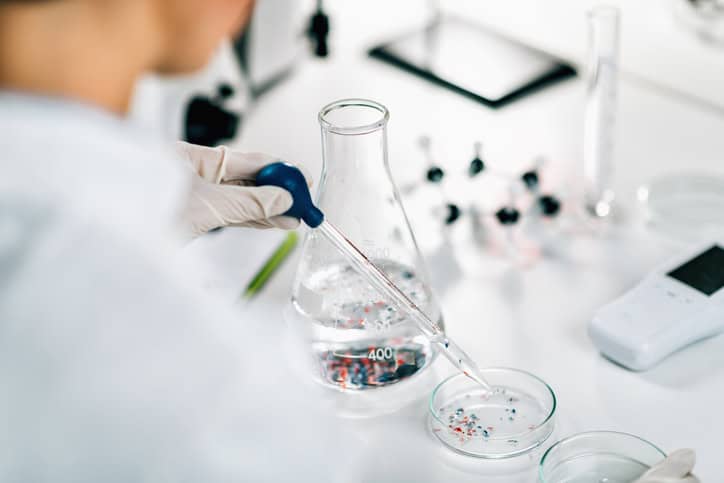
- Microbial contamination: Microorganisms such as bacteria, viruses, and fungi can pose a significant risk to product safety, and can lead to infections or other adverse health effects in patients.
- Particulate contamination: Particles such as dust, dirt, and fibers can cause physical defects in products or interfere with product performance.
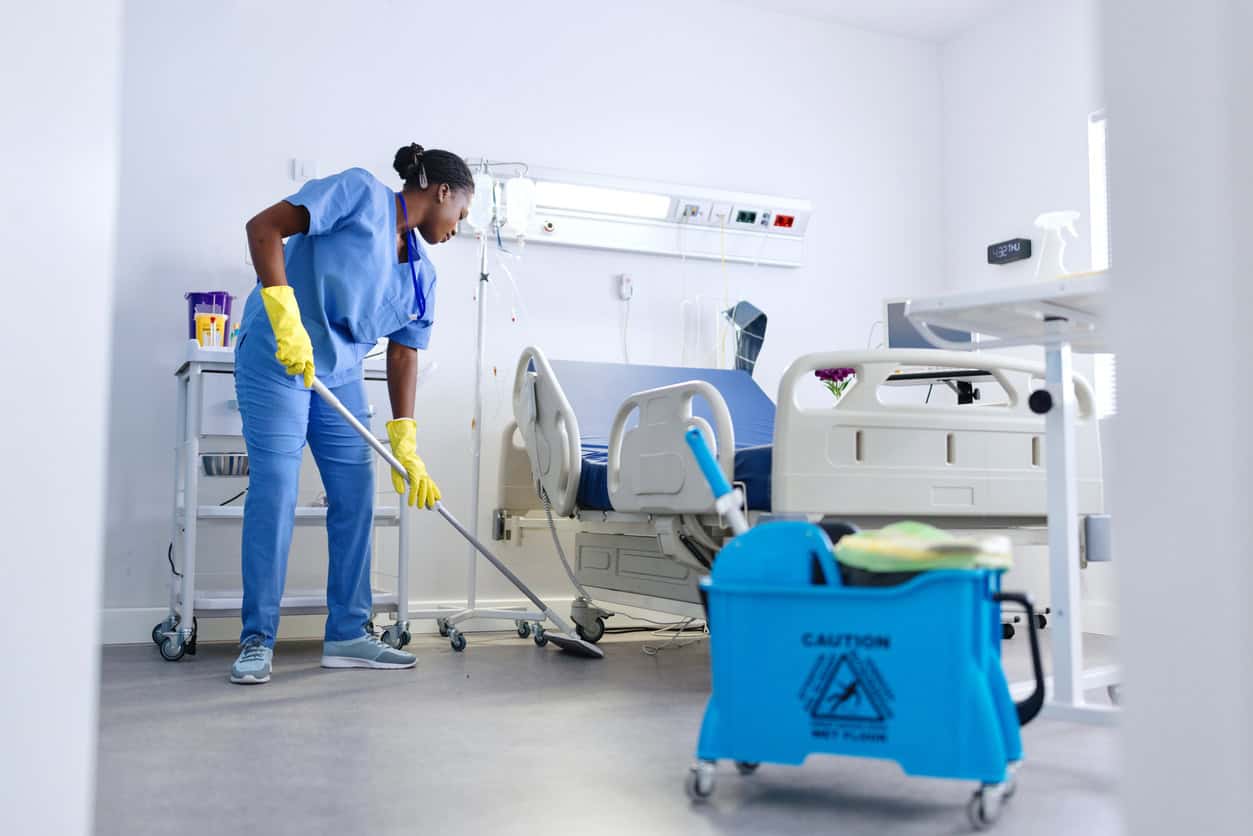
- Chemical contamination: Chemicals such as solvents, lubricants, and cleaning agents can impact product quality and safety, and lead to adverse health effects in patients.
To protect against these risks, it is essential to implement robust contamination control measures at all stages of the manufacturing process. These measures typically include:
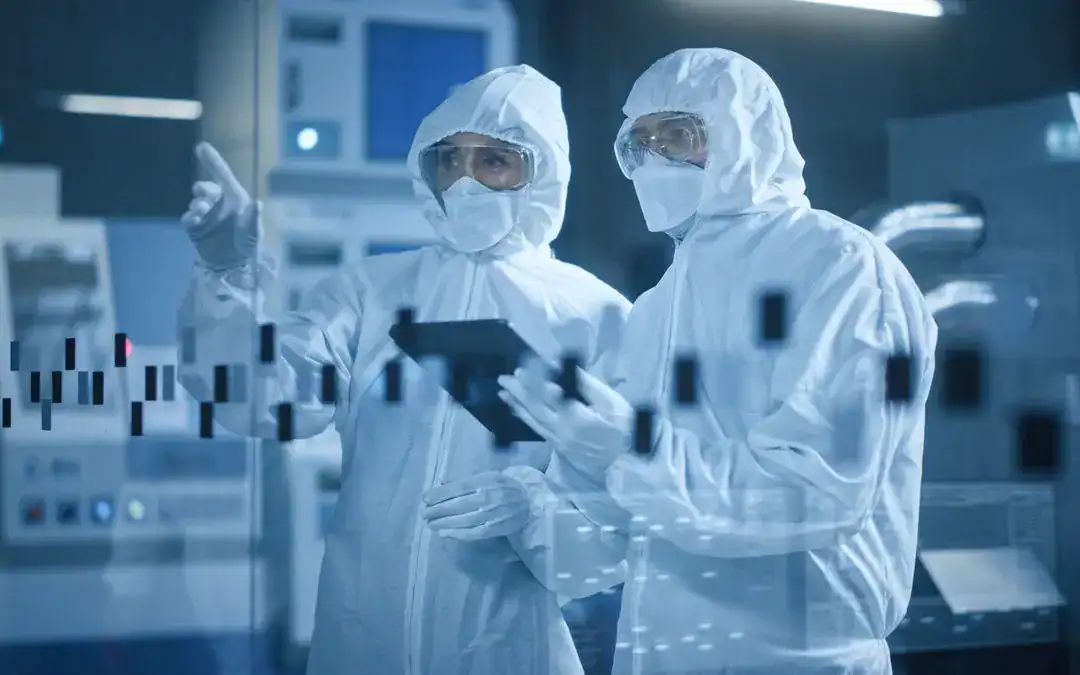
- Personnel training and hygiene: Proper training and hygiene practices are critical to preventing personnel from introducing contaminants. This includes the use of appropriate clothing, hand washing, and training on contamination control practices.
- Environmental controls: The cleanroom environment must be tightly controlled to prevent the introduction of contaminants. This includes maintaining appropriate temperature, humidity, and air pressure, and the use of HEPA filters to remove airborne particles.
- Equipment controls: Proper equipment design, installation, and maintenance are critical to prevent the generation of contaminants. This includes regular cleaning and maintenance of equipment and the use of properly validated cleaning and sterilization procedures.
- Material controls: All materials entering the cleanroom must be thoroughly evaluated and controlled to prevent the introduction of contaminants. This includes inspection of incoming materials, proper storage, and handling procedures, and the use of validated sterilization processes.
- Process controls: Manufacturing processes must be designed and validated to minimize the generation and spread of contaminants. This includes proper design and validation of equipment and processes, use of validated cleaning and sterilization procedures, and regular monitoring of the cleanroom environment.
In conclusion, contamination control is critical to ensuring the quality and safety of products manufactured in cleanrooms and GMP facilities. The potential risks associated with contamination highlight the importance of implementing robust contamination control measures throughout the manufacturing process. By doing so, companies can protect product integrity, reduce the risk of product failures, and enhance patient safety. Contact us for more information.