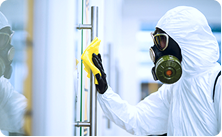





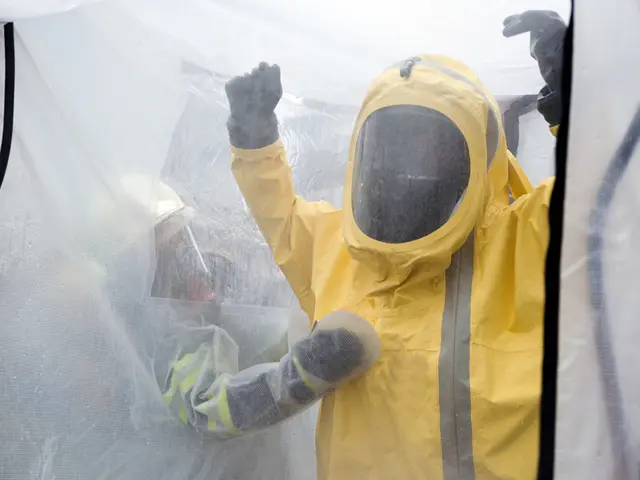
In cleanroom settings, where the smallest contaminant can compromise entire production batches or research outcomes, understanding and controlling contamination risks is paramount. This blog post explores the sources of contamination in cleanrooms and discusses comprehensive strategies to mitigate these risks, ensuring the purity and compliance of the environment.
Sources of Contamination in Cleanrooms
Contamination in cleanrooms can originate from several sources:
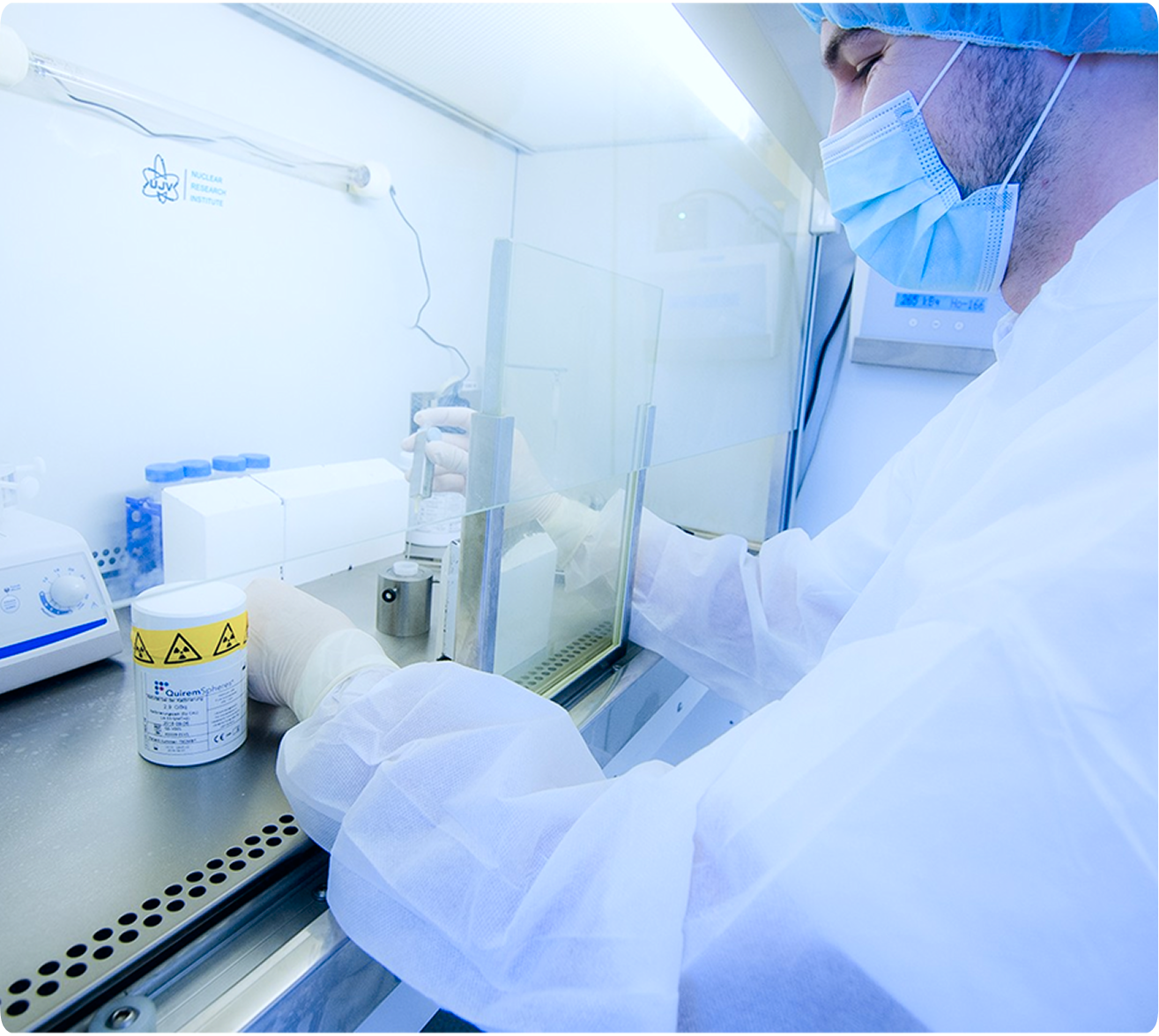
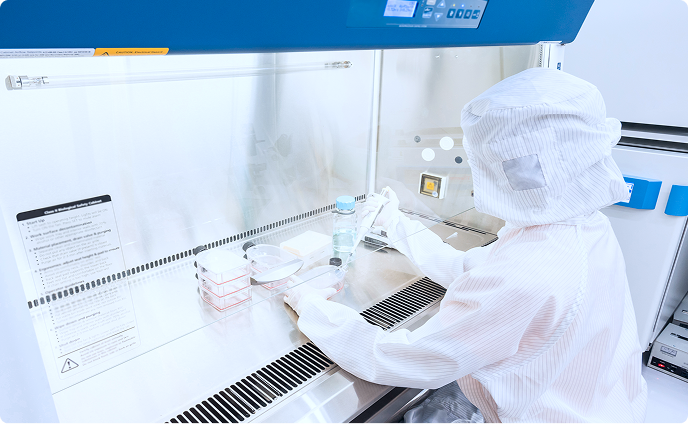
- People: The most significant source of contamination in cleanrooms comes from the operators themselves. Skin flakes, hair, cosmetics, and even the exhaled breath can introduce a considerable amount of particulates and microbial contaminants into the air.
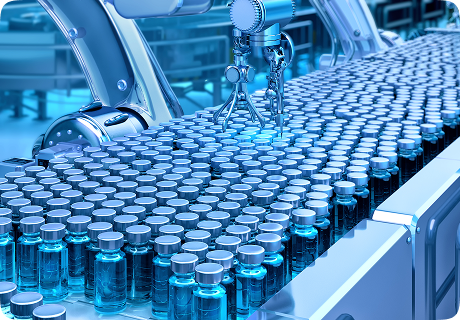
- Processes: Equipment and processes used within cleanrooms can generate contaminants. Operations involving powders, liquids, or high-speed movements may emit particles or vapors.
- Facility: The cleanroom’s own infrastructure can contribute to contamination. Degradation of materials, improper seals, and outgassing from paints and coatings can introduce unwanted particles into the environment.
- External Environment: Contaminants can enter cleanrooms through air locks, on materials, or equipment that are not adequately cleaned or through ineffective filtration of incoming air.
Mitigation Strategies
Effective strategies to mitigate contamination involve a multi-layered approach:
- Rigorous Personnel Protocols: Implementing strict gowning procedures, hygiene requirements, and behavioral protocols significantly reduces human-borne contamination. Regular training and monitoring ensure compliance and reinforce the importance of these protocols.
- Advanced Filtration Systems: Utilizing high-efficiency particulate air (HEPA) and ultra-low particulate air (ULPA) filters effectively trap airborne contaminants. Ensuring these systems are well-maintained and filters are changed according to schedule is crucial.
- Cleanroom Design and Maintenance: Designing cleanrooms with smooth, impervious surfaces that are easy to clean can minimize the accumulation of contaminants. Regular maintenance and inspection of the cleanroom structure help identify and remediate potential sources of contamination.
- Environmental Monitoring: Continuous monitoring of particulate levels, along with temperature and humidity control, helps maintain the environment within specified limits. Real-time monitoring systems can alert personnel to changes in conditions that could indicate a contamination event.
- Process Controls: Analyzing and adapting operations to minimize contamination risks is essential. This can include isolating certain processes, improving equipment cleaning procedures, or switching to less particulate-generating materials.
Maintaining the integrity of a cleanroom environment requires diligent attention to potential contamination sources and the implementation of effective mitigation strategies. By understanding the origins of contaminants and employing robust controls and protocols, cleanroom managers can ensure that their facilities remain compliant and productive. Contact us for more information.