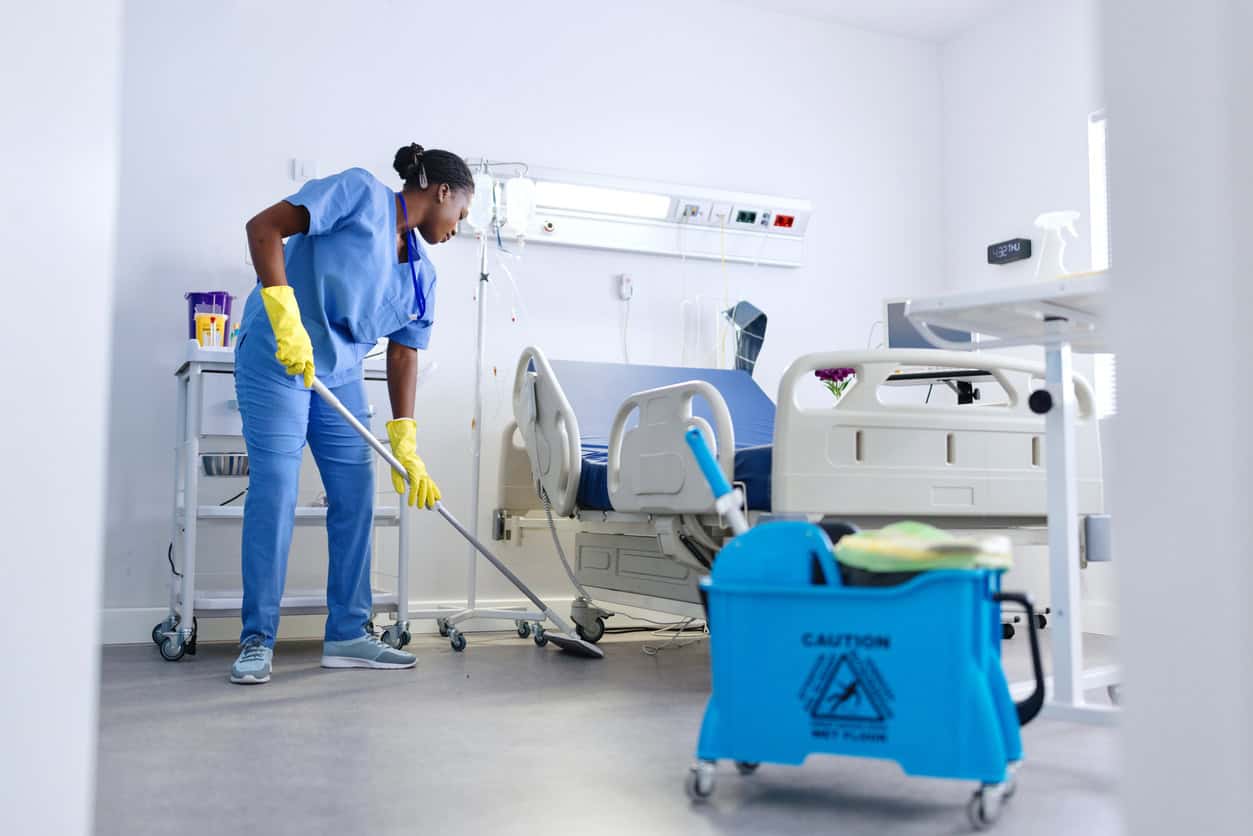

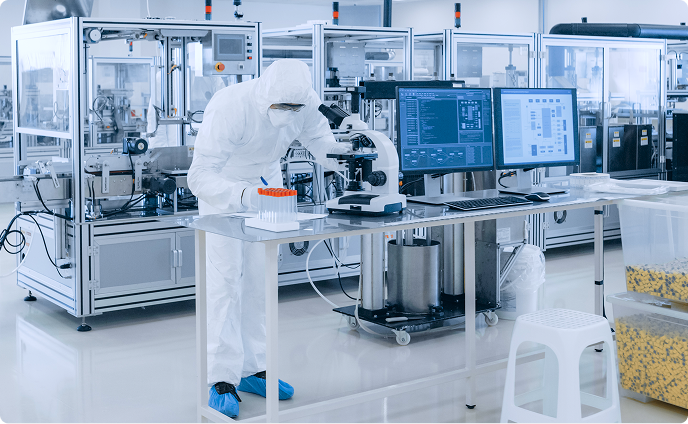

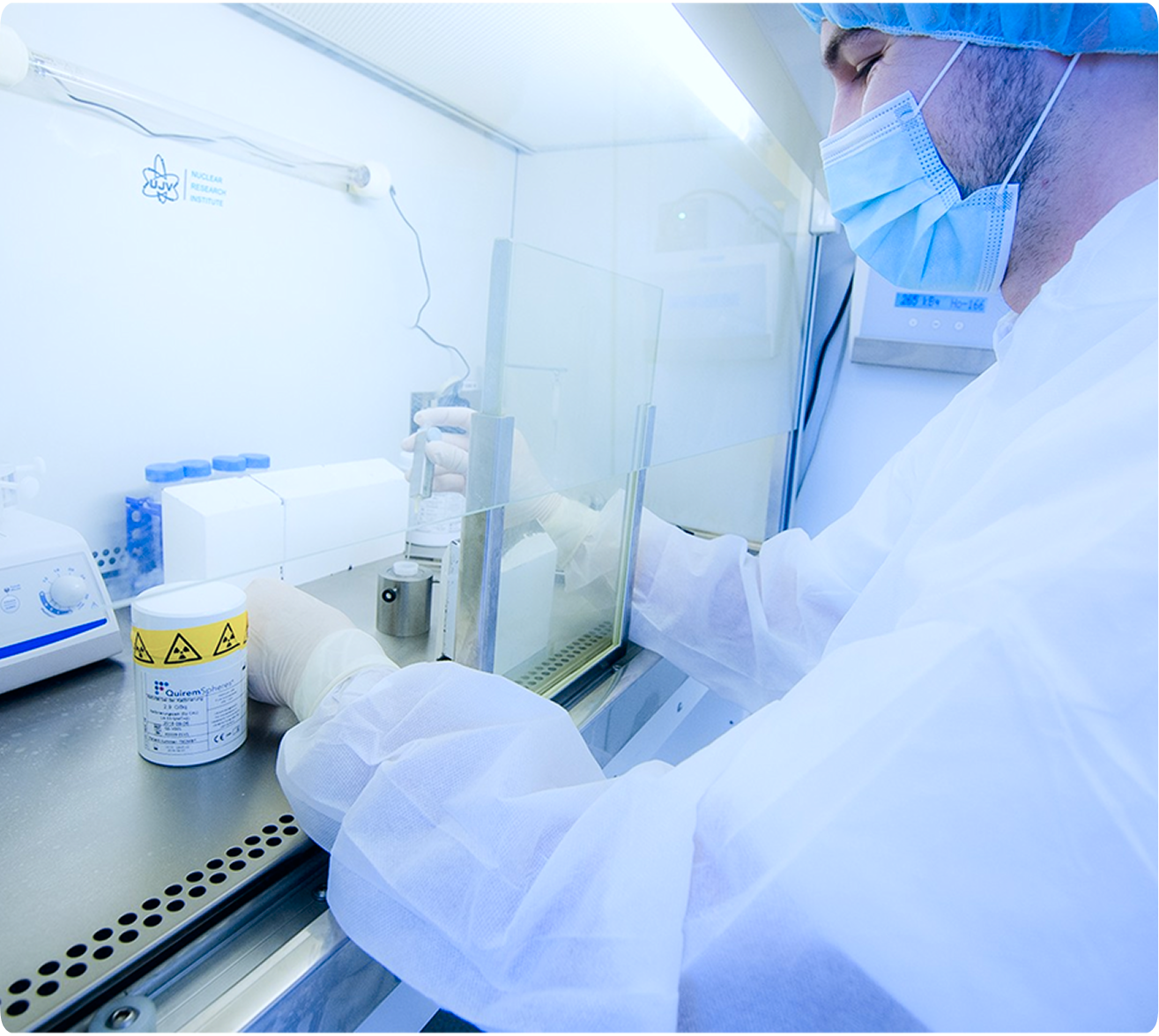
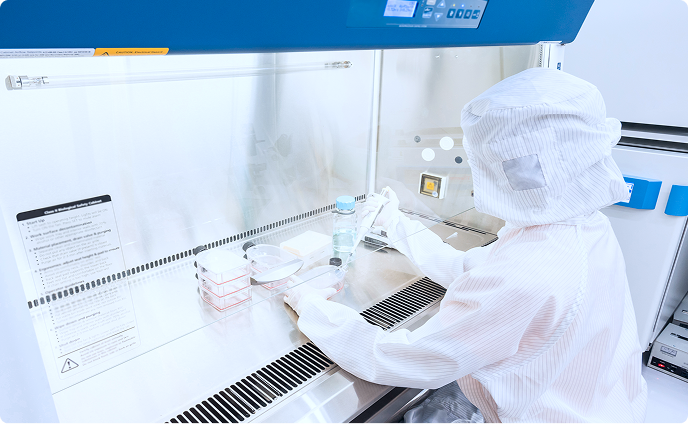





Choosing the right flooring is crucial for maintaining the stringent cleanliness standards required in cleanrooms. Flooring not only impacts the overall contamination control but also affects the operational efficiency and safety within these critical environments. This blog post explores various flooring options tailored for cleanrooms and assesses their influence on contamination risks.
Why Flooring Matters in Cleanrooms
Cleanroom flooring must prevent contamination and withstand the environment’s rigorous demands, including resistance to chemicals, ease of cleaning, and durability against foot traffic and equipment. The right flooring choice minimizes particle generation, enhances cleanliness, and supports the facility’s compliance with regulatory standards.
Exploring Flooring Options for Cleanrooms
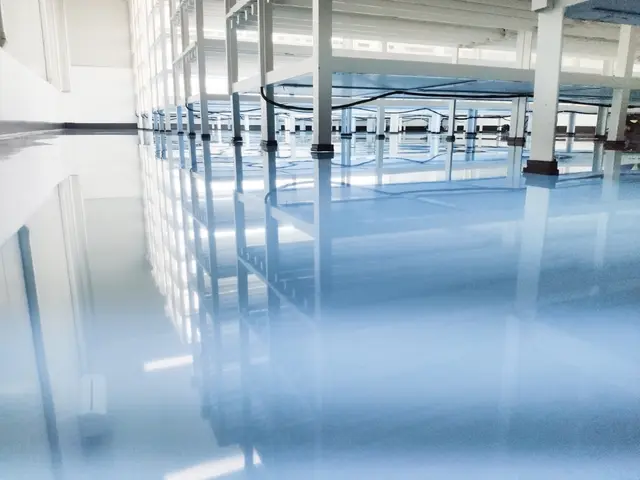
1. Epoxy Coatings Epoxy offers a seamless finish that is easy to clean, highly resistant to chemicals, and durable against physical wear. Its non-porous surface prevents microbial growth and particle accumulation, making it ideal for most cleanroom settings.
2. Vinyl Flooring Known for its versatility, vinyl provides a cost-effective solution with decent chemical resistance and a smooth surface that reduces particle adherence. It’s suitable for less stringent cleanrooms where budget is a pivotal consideration.
3. Polyurethane Floors With superior chemical resistance and durability, polyurethane is preferred in cleanrooms that handle harsh substances. It also offers comfort underfoot, a critical feature for environments where staff work on their feet for extended periods.
4. Raised Floors These are essential for cleanrooms that require flexible management of underfloor utilities and airflow. Raised flooring systems facilitate easy access for maintenance and help manage air circulation to prevent stagnant zones that could harbor contaminants.
Key Considerations When Choosing Cleanroom Flooring
- Compatibility with Cleaning Agents: Flooring should resist degradation when exposed to the cleanroom’s cleaning and disinfection chemicals.
- Static Control: For electronic assembly cleanrooms, flooring must have antistatic properties to prevent static electricity build-up, which can attract dust and damage sensitive components.
- Installation Quality: Proper installation is crucial to avoid seams and cracks where contaminants can accumulate. The flooring should be easy to maintain and capable of supporting the cleanroom’s environmental controls.
The Operational Impact of Flooring Choices
- Contamination Control: Proper flooring helps maintain a contaminant-free environment by supporting effective cleaning practices and reducing particle retention.
- Operational Efficiency: Choosing durable, low-maintenance flooring reduces the frequency and impact of repairs or replacements, minimizing operational downtime.
- Safety and Ergonomics: Slip-resistant, comfortable flooring enhances safety, reduces staff fatigue, and helps prevent workplace injuries.
Selecting the right flooring for a cleanroom is a decision that significantly affects its ability to control contamination, maintain regulatory compliance, and ensure a safe working environment. Facilities must evaluate each option’s benefits and drawbacks in the context of their specific operational requirements and environmental conditions. Contact us for more information.