



Contamination control is a critical aspect of cleanroom operations in GMP facilities. A cleanroom environment must be maintained to be free of contaminants that could compromise the integrity of the products being manufactured.
Best practices for contamination control in cleanrooms and GMP facilities include:
Proper Gowning and Decontamination Techniques:
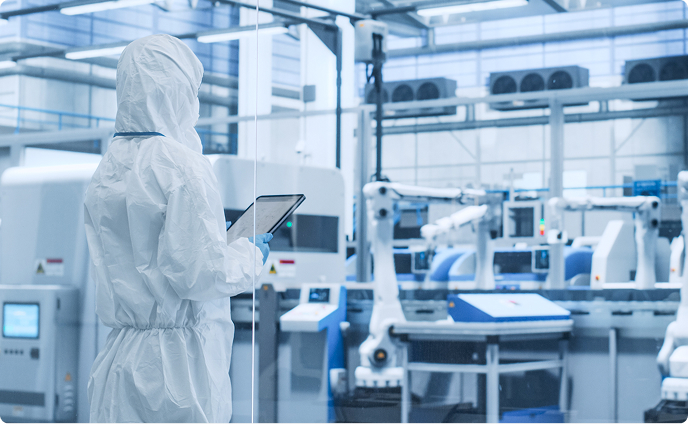
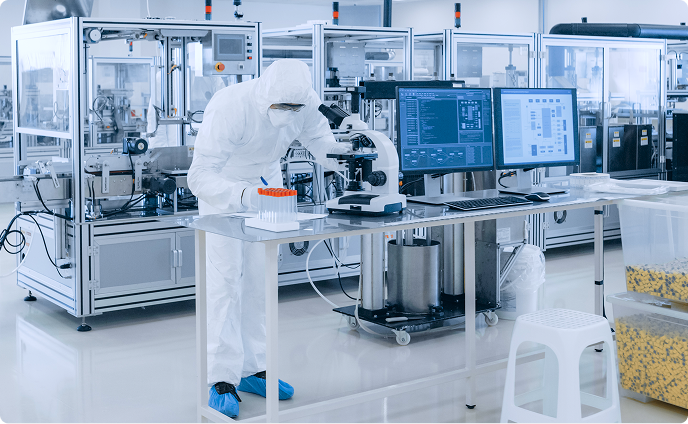
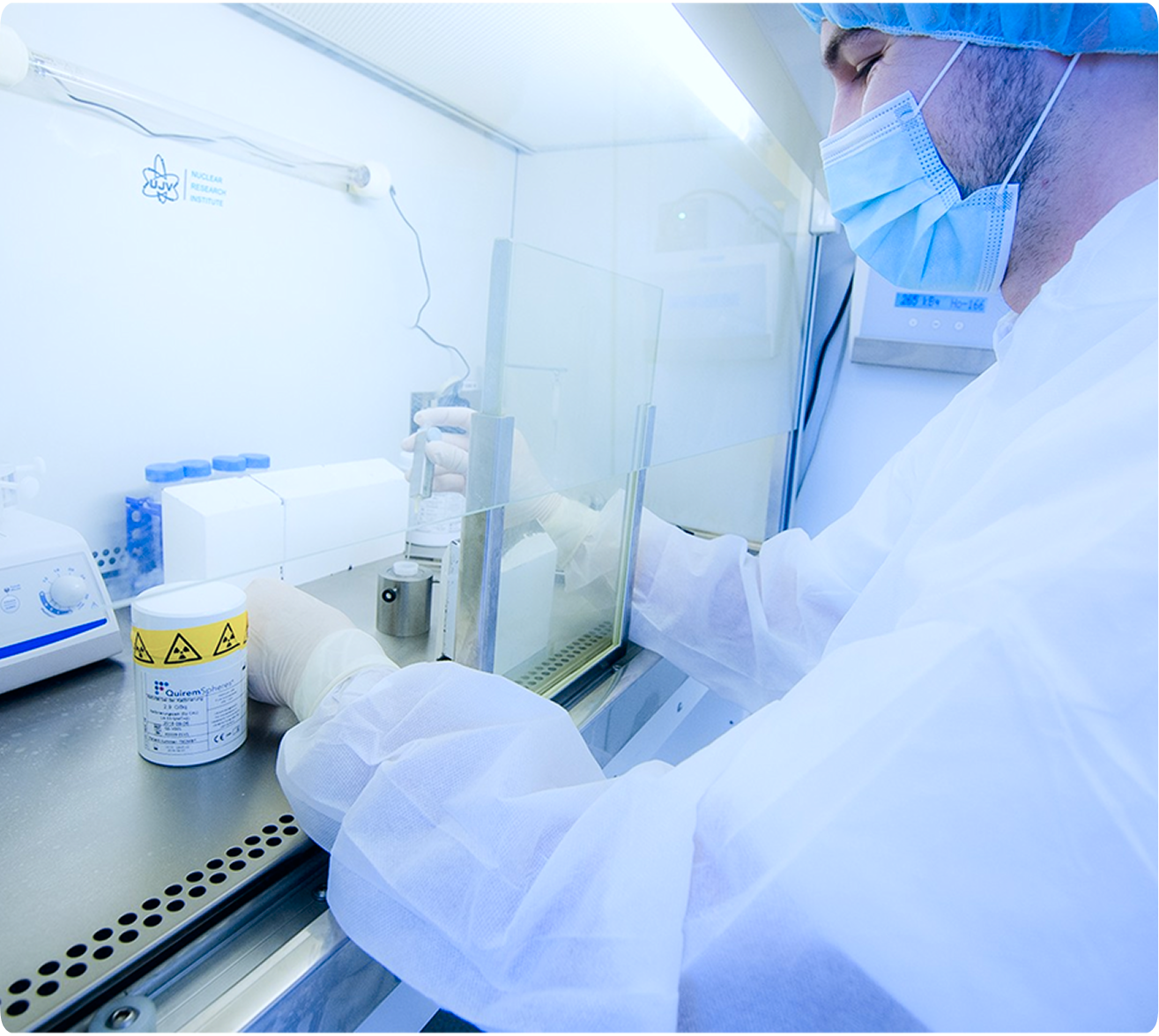
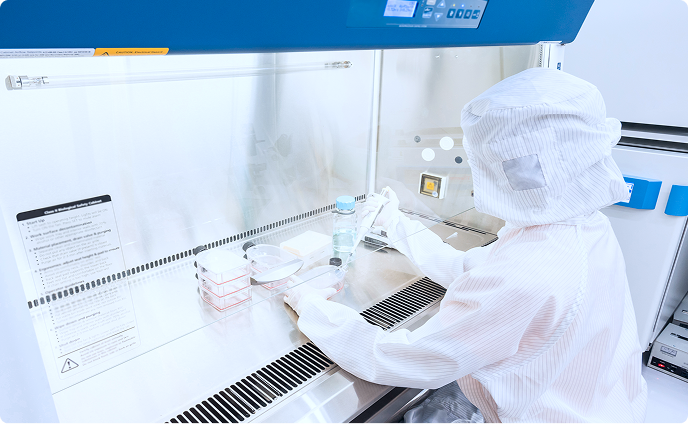
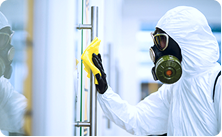
Gowning and decontamination are essential to prevent the introduction of contaminants. Employees must follow established protocols, such as wearing cleanroom garments, performing hand hygiene, and using disinfectants.
Effective Air Filtration Systems:
Cleanrooms should be equipped with HEPA (high-efficiency particulate air) filters that remove airborne particles. Air filtration systems should be monitored and maintained to ensure optimal performance.
Proper Facility Design and Maintenance:
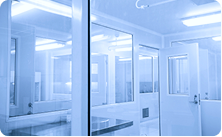
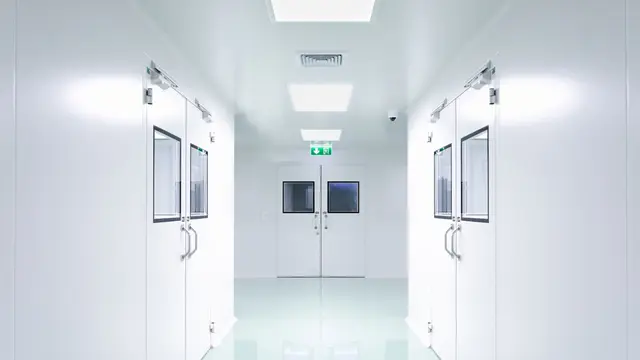
Cleanroom facilities must be designed to minimize contamination and maintained regularly to prevent the growth of microorganisms. Floors, walls, and ceilings should be cleaned and disinfected regularly, and equipment should be maintained to prevent the buildup of debris and dust.
Material and Equipment Handling:
Proper handling of materials and equipment is essential to prevent contamination. Employees must follow established protocols, such as inspecting incoming materials, storing them in appropriate areas, and sterilizing equipment.
Regular Cleaning and Sterilization:
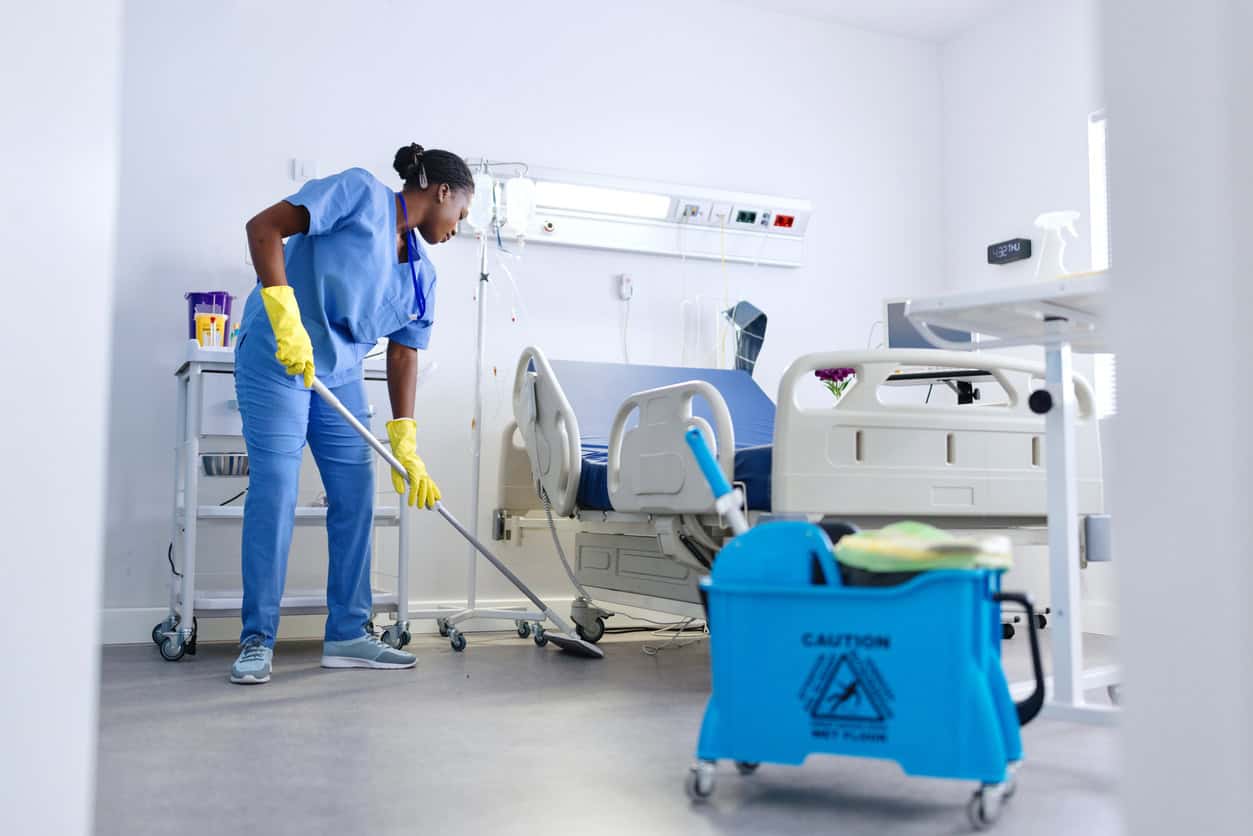
Cleanrooms and equipment must be cleaned and sterilized regularly to maintain a clean environment. Cleanrooms should be cleaned daily, and equipment should be sterilized regularly.
Employee Training:
Employees should receive training on contamination control best practices, including proper gowning and decontamination techniques, equipment handling, and facility maintenance.
Environmental Monitoring:
Cleanrooms should be regularly monitored to ensure they are operating at peak performance. This includes monitoring temperature, humidity, air pressure, and particle count.
By following these best practices, businesses can ensure that their cleanrooms are functioning at optimal performance and minimizing the risk of contamination. Effective contamination control is critical to ensuring the quality and safety of products manufactured in cleanrooms and GMP facilities. Implementing robust contamination control measures will help to reduce the risk of product failures and enhance patient safety. Contact us for more information.