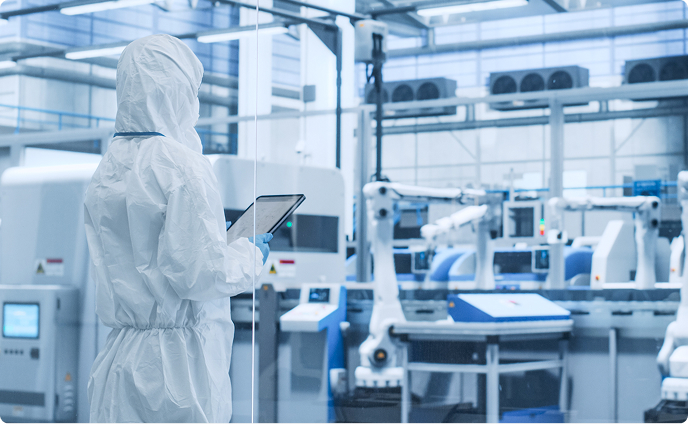
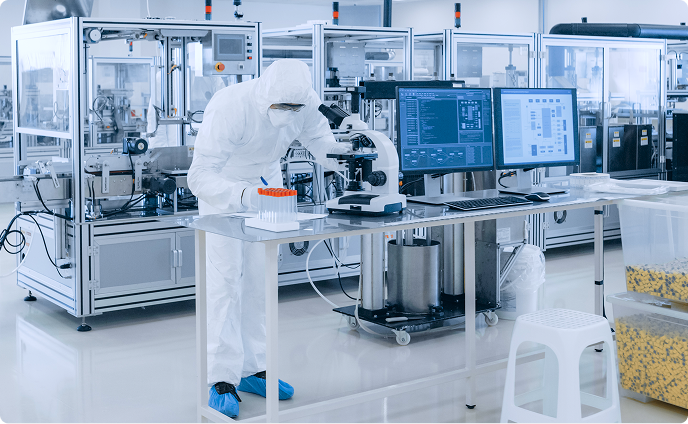
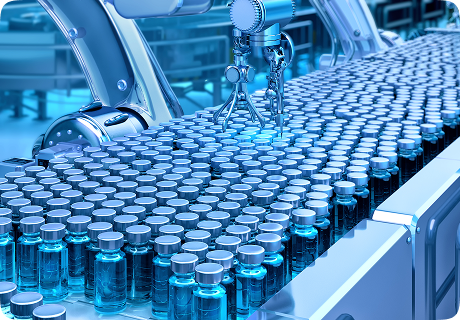
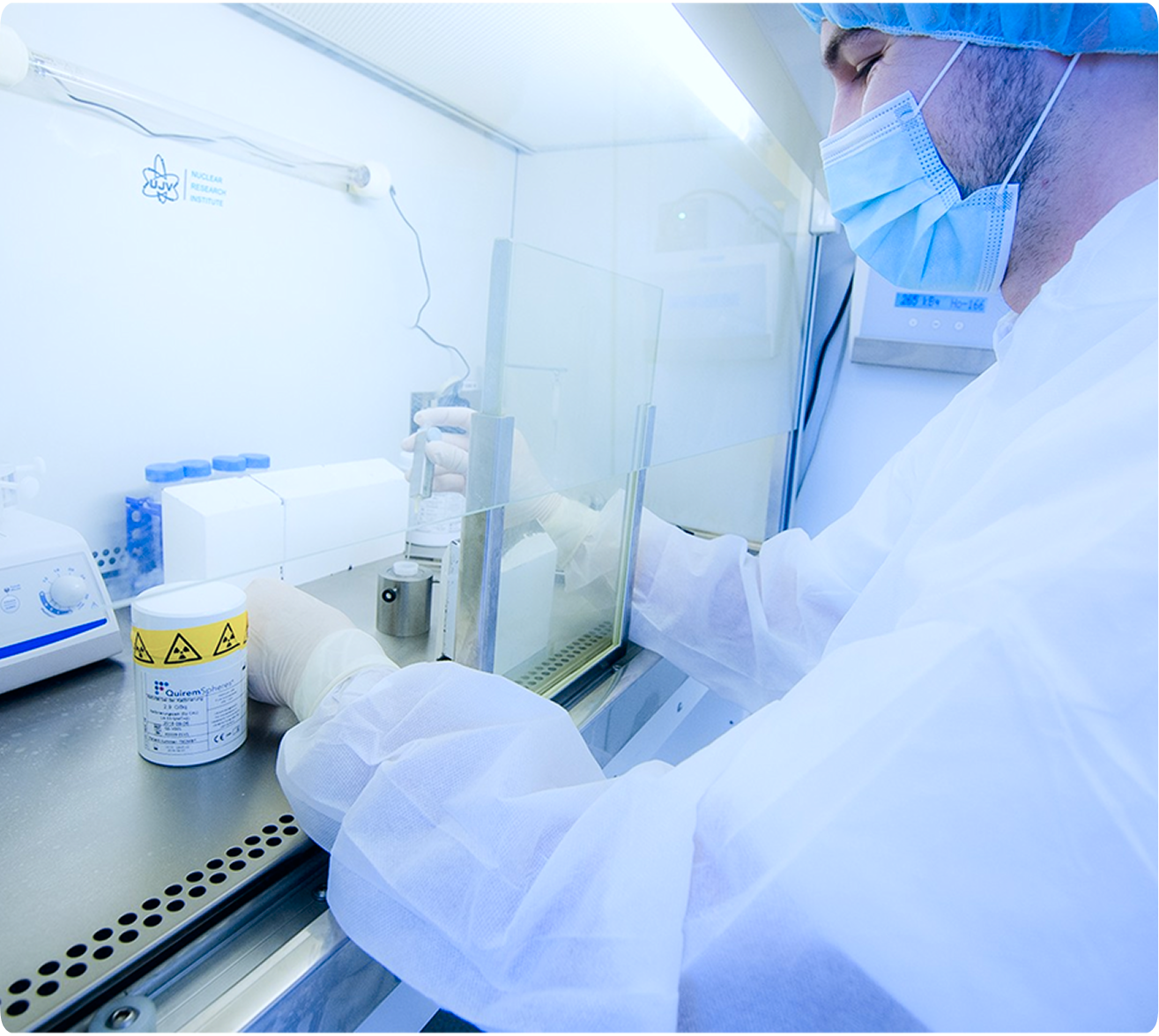
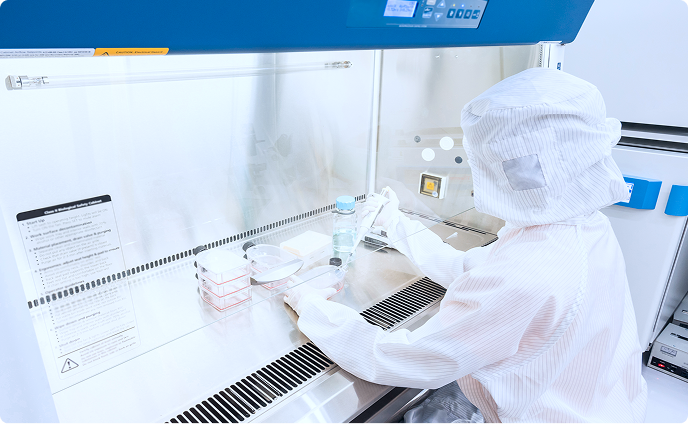

In critical environments like cleanrooms, an unexpected contamination event can jeopardize operations, compliance, and product integrity. Decontamination technologies designed for emergency response play a vital role in quickly neutralizing contaminants, restoring cleanroom conditions, and minimizing downtime. This blog explores the advanced decontamination solutions available for cleanrooms facing emergency scenarios.
The Importance of Rapid Response in Cleanroom Environments
Cleanrooms are built to maintain stringent cleanliness standards, but accidental breaches in protocols, equipment malfunctions, or unexpected contamination events can introduce microbial, chemical, or particulate hazards. A swift and effective decontamination process is essential to:
- Restore regulatory compliance.
- Prevent extended operational downtime.
- Protect the integrity of sensitive products or research.
Advanced Decontamination Technologies
1. Ionized Hydrogen Peroxide (iHP) Fogging
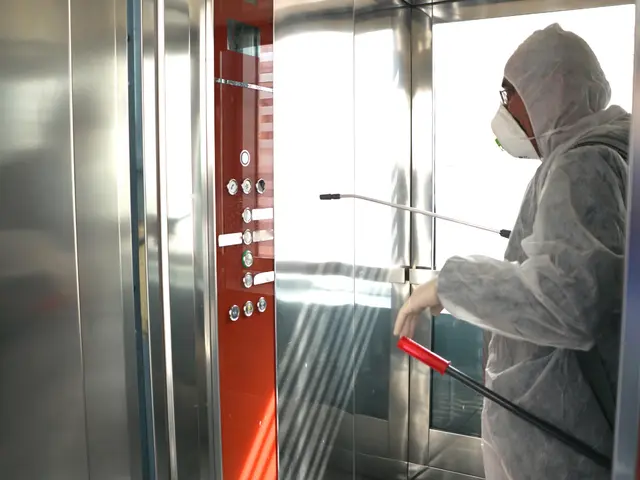
iHP fogging systems are highly effective for emergency decontamination. These systems disperse a fine mist of ionized hydrogen peroxide into the cleanroom, ensuring even distribution across all surfaces, including hard-to-reach areas. iHP effectively neutralizes bacteria, viruses, fungi, and spores, making it a versatile solution for various contamination events.
2. Ultraviolet Germicidal Irradiation (UVGI)
UV-C light technology is increasingly utilized for rapid decontamination. Portable UVGI devices are deployed to disinfect large areas or specific surfaces without introducing chemical residues. UV-C is particularly effective for addressing microbial contamination and is often used as a supplementary method alongside chemical decontamination.
3. Vaporized Hydrogen Peroxide (VHP) Systems
VHP systems use vaporized hydrogen peroxide to sterilize cleanrooms. Unlike iHP, which is ionized, VHP is introduced as a vapor that penetrates all exposed surfaces. This method is effective for large-scale decontamination efforts following significant contamination events.
4. Advanced Robotics for Decontamination
Autonomous robotic systems equipped with UVGI or chemical dispersion capabilities are designed to navigate cleanrooms and perform thorough decontamination. These robots reduce human involvement, minimizing further contamination risks and ensuring consistent application of decontamination agents.
Key Considerations for Emergency Decontamination
- Speed and Efficiency: Emergency response solutions must act quickly to mitigate risks while ensuring complete decontamination. Technologies like iHP fogging and UVGI offer rapid application and short re-entry times.
- Compatibility with Cleanroom Materials: Decontamination agents and methods must not damage sensitive equipment, materials, or infrastructure.
- Documentation for Compliance: All decontamination activities must be thoroughly documented to satisfy regulatory requirements and support post-event audits.
The Role of Expert Decontamination Services
Partnering with experienced decontamination service providers, such as Vibraclean, ensures that cleanroom emergencies are handled effectively. These experts assess the situation, deploy the appropriate technologies, and restore cleanroom conditions with minimal disruption to operations.
Emergency decontamination technologies are vital tools in safeguarding cleanroom operations against unexpected contamination events. Solutions such as iHP fogging, UVGI, and robotic systems ensure rapid, thorough, and compliant decontamination, helping cleanrooms recover quickly and maintain operational integrity. Contact us for more information.