

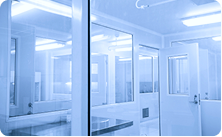






Cleanroom design is a critical component in maintaining a sterile, contaminant-free environment. The design of a cleanroom is essential to ensure that the required level of cleanliness is achieved and maintained. Cleanroom design requirements and best practices vary by industry and application.
Essential cleanroom design requirements and best practices
1. Design Considerations: The design of a cleanroom should consider the level of cleanliness required, the type of equipment and processes being used, the number of personnel, and the materials used in construction. The design should also consider the flow of personnel and materials, the air handling system, and the location of utility services.
2. Material Selection: The materials used in cleanroom construction should be non-particle-shedding, non-toxic, and easy to clean. The materials should be resistant to chemicals, moisture, and temperature changes. The materials used should be compatible with the products and processes being used in the cleanroom environment.
3. Air Filtration: The air filtration system is a critical component of cleanroom design. The air should be filtered through high-efficiency particulate air (HEPA) filters, which trap particles as small as 0.3 microns. The air handling system should be designed to maintain the required level of cleanliness and air pressure within the cleanroom.
4, Positive Pressure: Cleanrooms should have positive air pressure to prevent outside contaminants from entering the cleanroom environment. The air pressure should be continuously monitored and maintained within the required range.
5. Lighting: Proper lighting is essential in a cleanroom environment. The lighting should be designed to prevent glare and shadows, and the fixtures should be easy to clean.
6. Gowning and De-gowning: The cleanroom design should include a gowning and de-gowning area. The area should be designed to prevent contamination from external sources and should include proper ventilation, lighting, and gowning materials.
7. Training and Education: Personnel working in the cleanroom environment should receive proper training and education on cleanroom protocols, gowning procedures, and maintaining aseptic techniques.
Cleanroom design is a critical component in maintaining a sterile, contaminant-free environment. Cleanroom design requirements and best practices vary by industry and application. A well-designed cleanroom should consider the required level of cleanliness, material selection, air filtration, positive pressure, lighting, gowning and de-gowning, and personnel training and education. Following these requirements and best practices can help ensure product quality, safety, and protect the health and safety of end-users. Contact us to learn more.