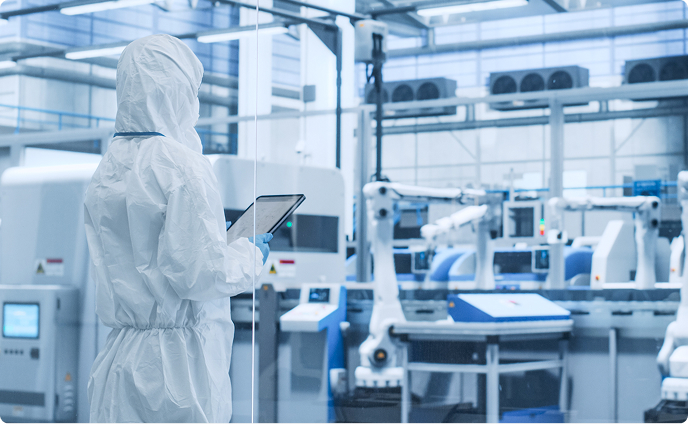
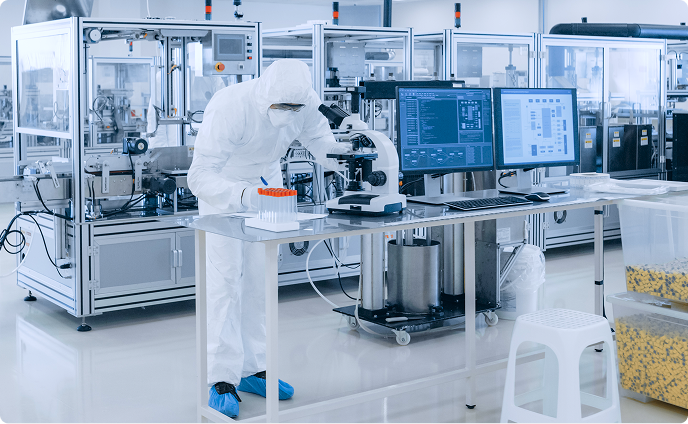

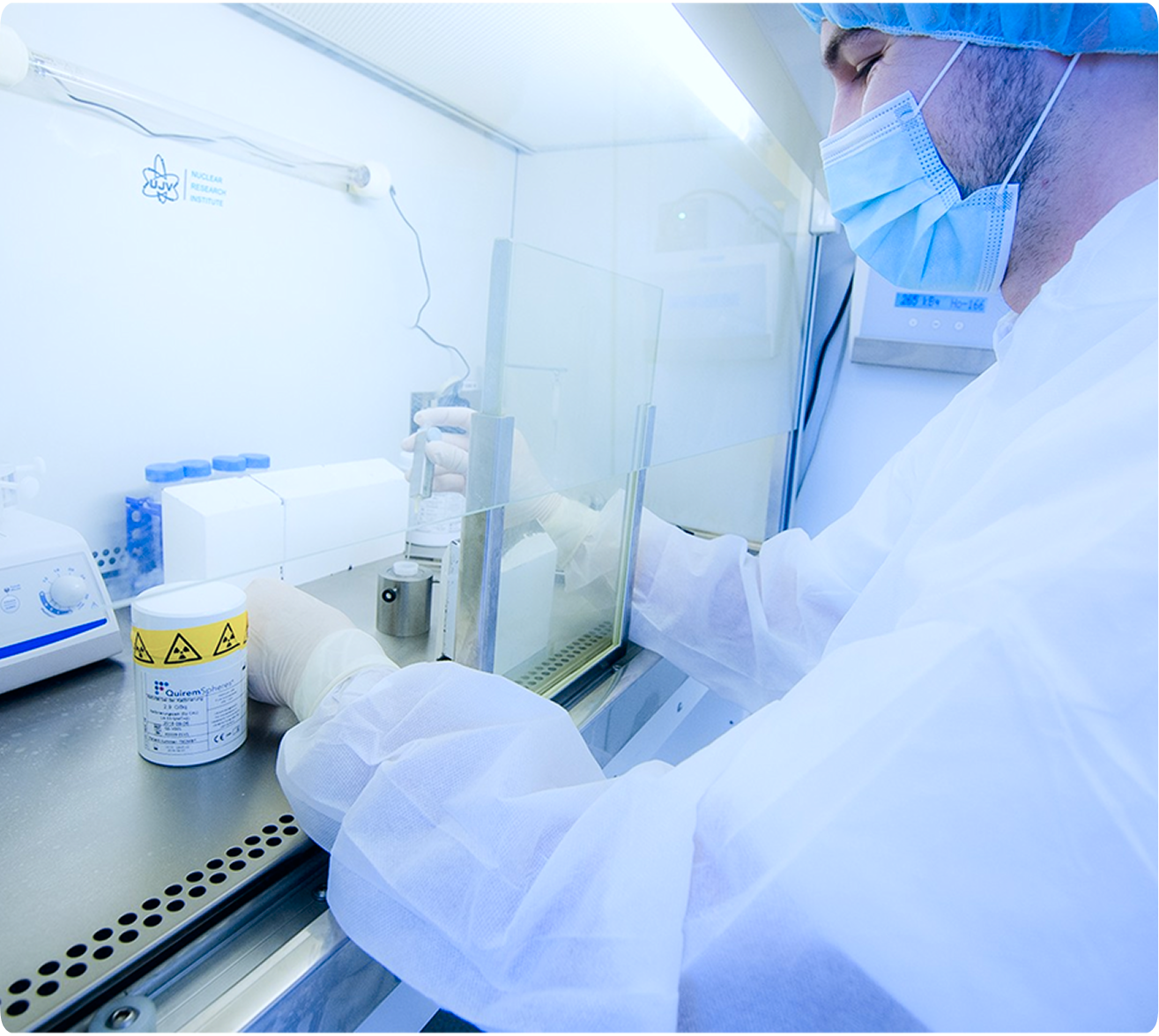
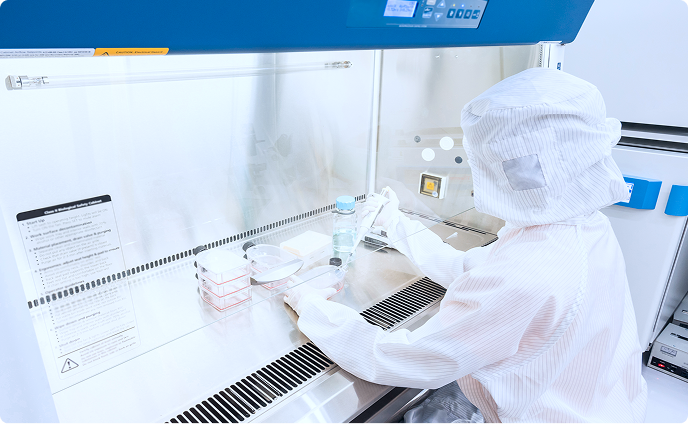





Training is a cornerstone of successful cleanroom operations, as the human factor significantly influences the cleanliness and functionality of these controlled environments. This blog post explores various effective training techniques that enhance understanding, compliance, and execution of cleanroom protocols among personnel.
Comprehensive Onboarding Process
The onboarding process is critical in setting the right foundation for new cleanroom staff. It should cover all fundamental aspects of cleanroom operations, including:
- Introduction to Cleanroom Standards: Detailed explanation of the specific standards and regulations that govern the cleanroom operations.
- Protocol Training: Step-by-step guidance on gowning procedures, behavioural protocols, and contamination control measures.
- Safety Procedures: Training on emergency protocols, material handling, and equipment operation to ensure workplace safety.
Interactive Training Methods
Engaging and interactive training methods can significantly enhance the learning experience and retention of information:
- Virtual Reality (VR) Training: VR can simulate cleanroom environments and scenarios, providing a hands-on learning experience without the risk of actual contamination.
- Gamification: Incorporating game elements into the training process makes learning more engaging and can increase motivation among staff.
- Role-playing Exercises: These exercises allow staff to practice and demonstrate their understanding of procedures in a controlled setting.
Ongoing Training and Development
Cleanroom protocols and technologies are continually evolving, making ongoing training essential:
- Continuous Learning Programs: Establish programs that provide regular updates and refresher courses on cleanroom protocols and innovations.
- Advanced Training for Specific Roles: Offer specialized training for roles that require deeper technical knowledge or handle critical processes within the cleanroom.
Assessment and Certification
Regular assessments ensure that the training is effective and that personnel are capable of implementing what they’ve learned:
- Knowledge Tests: Regular quizzes and tests to assess understanding and retention of cleanroom protocols.
- Practical Demonstrations: Hands-on demonstrations where personnel must show competence in cleanroom practices.
- Certification Programs: Implement certification programs that recognize and validate the proficiency of personnel in cleanroom operations.
Feedback and Continuous Improvement
Feedback is a vital component of the training process. It helps trainers understand effectiveness and areas needing improvement:
- Regular Feedback Sessions: Conduct sessions where staff can discuss challenges and provide feedback on the training process.
- Adaptation to Feedback: Adapt training programs based on feedback to better meet the needs of cleanroom personnel and improve the training outcomes.
Effective training is essential for maintaining the stringent standards required in cleanroom environments. By incorporating diverse and interactive training techniques, offering ongoing education, and continuously evaluating the effectiveness of training programs, cleanroom facilities can ensure their personnel are well-prepared to meet the demands of their roles, thereby maintaining operational integrity and compliance. Contact us to learn more.