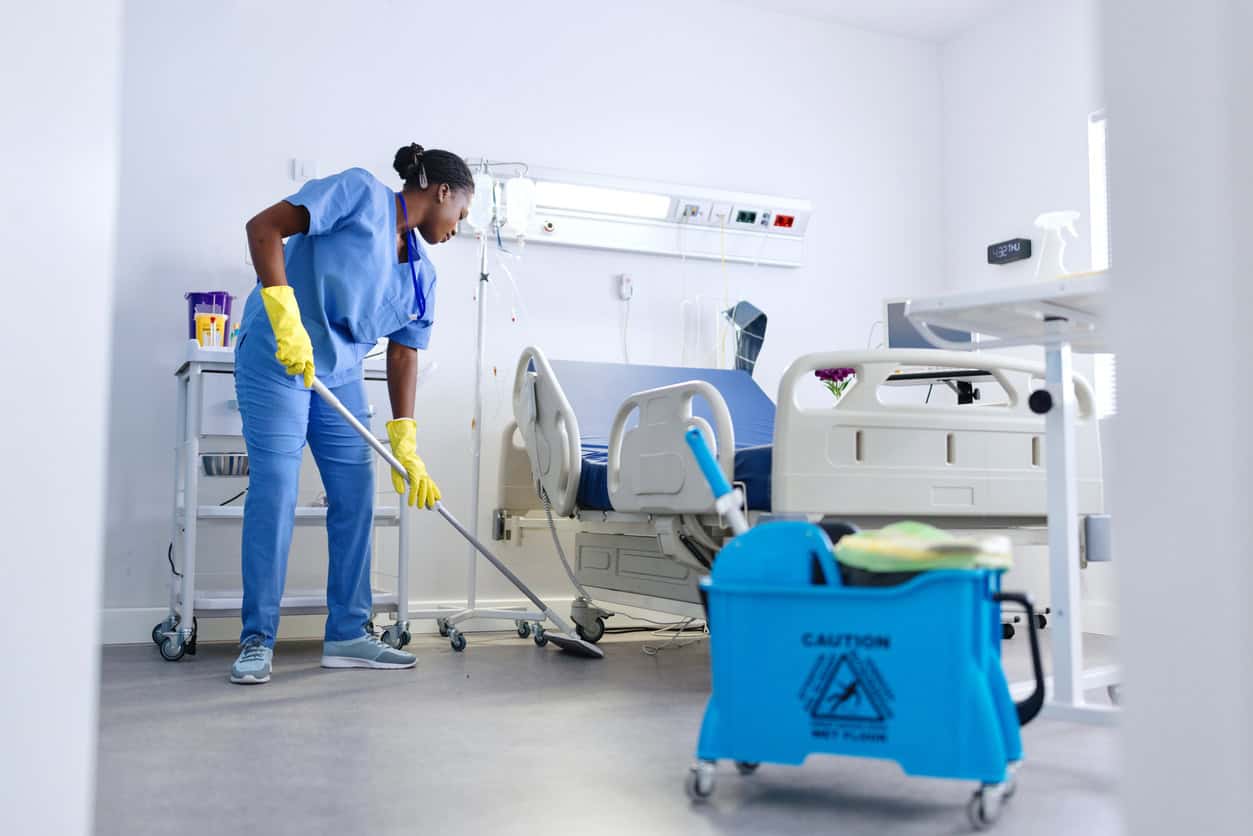

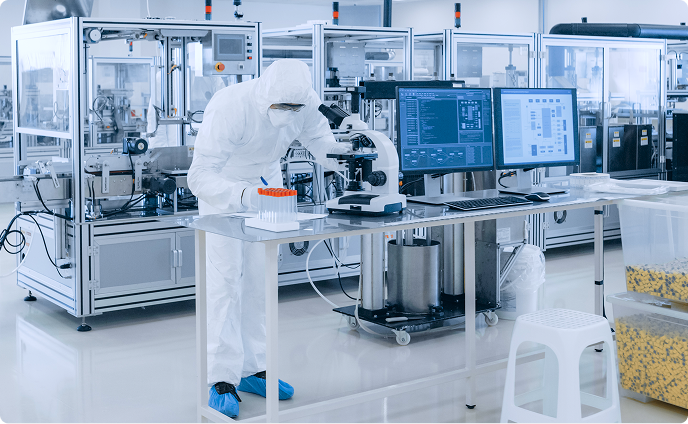

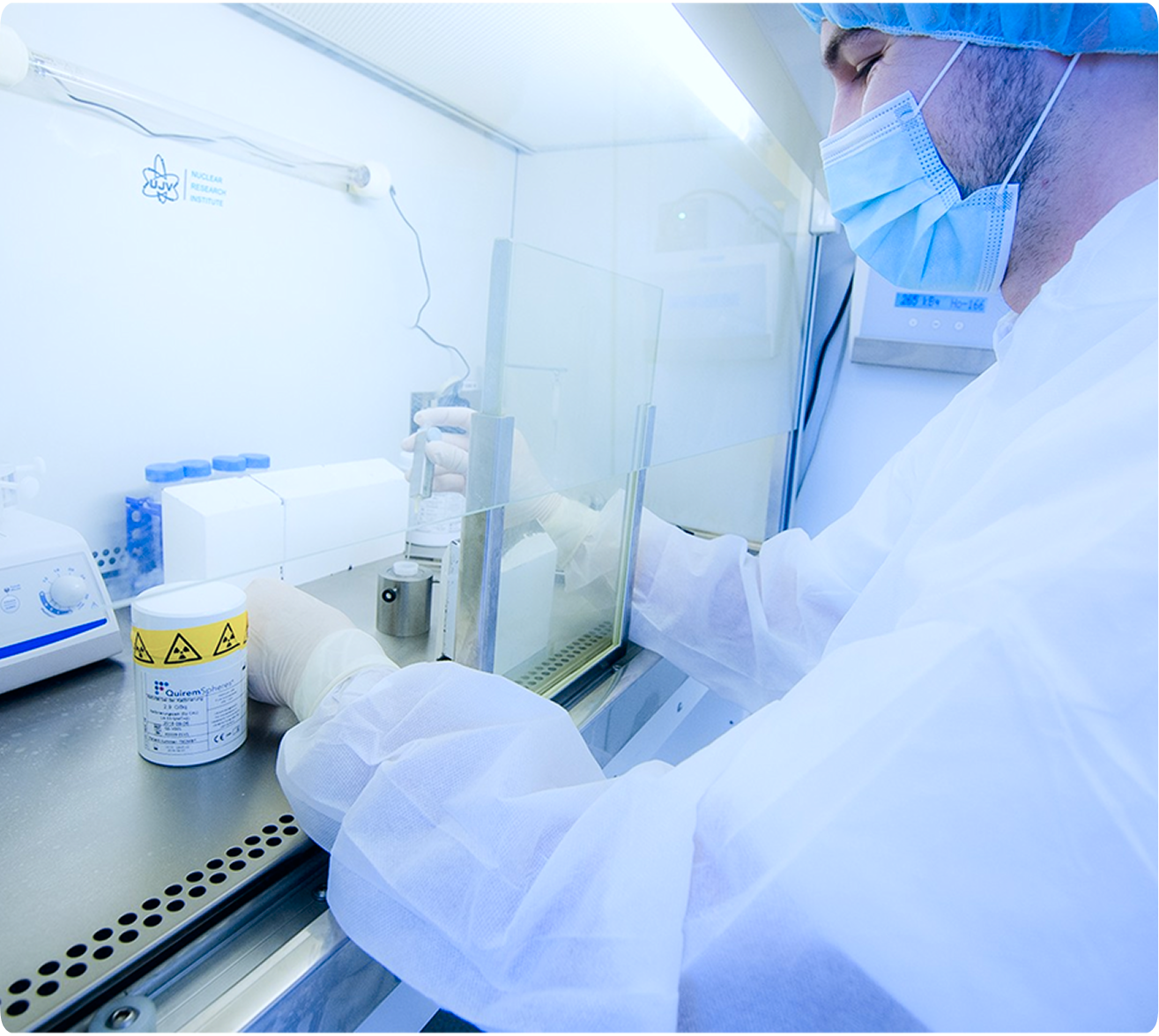
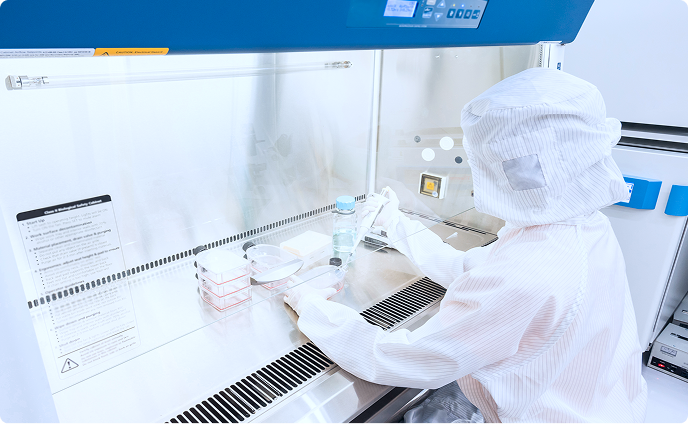






Every cleanroom relies on structured, validated, and consistently executed cleaning practices to maintain environmental control. Determining how often to clean each surface, zone, and classified area is a critical part of contamination control—but manufacturers often struggle to set frequencies that are both efficient and compliant. While ISO cleanroom standards do not specify fixed cleaning intervals, they establish particle limits and classification criteria that strongly influence how often each room and surface must be cleaned.
Pharma, biotech, radiopharma, and medical device facilities use frequency benchmarks to maintain control, reduce contamination risks, and prepare for inspections. This article outlines cleaning frequency recommendations aligned with ISO classes, explains how to apply risk-based decision making, and offers guidance on building cleaning programs that meet both compliance expectations and operational needs.
Why Cleaning Frequency Matters in ISO-Classified Cleanrooms
Cleaning frequency directly affects contamination levels, environmental monitoring performance, and regulatory compliance. When cleaning routines are insufficient or inconsistent, contamination builds quickly, leading to excursion trends, repeat interventions, and higher audit risk. Conversely, overly frequent cleaning can waste resources and create inconsistent execution.
Cleaning frequency supports:
- Stable, viable, and non-viable contamination levels.
- Predictable EM data and lower excursion rates.
- Better contamination control during production.
- Reduced batch impact from environmental drift.
- Stronger readiness for inspections and audits.
Facilities that align their cleaning schedules with ISO cleanroom standards experience far fewer regulatory surprises.
How ISO Standards Influence Cleaning Frequency
ISO 14644-1 defines cleanroom classifications by specifying the maximum allowable particle counts for each class. Although ISO does not give specific cleaning frequencies, classifications guide cleaning decisions in two ways:
- Higher-classification rooms (e.g., ISO 5) require more frequent cleaning to maintain extremely low particle levels.
- Lower-classification rooms (e.g., ISO 8) allow for longer intervals but still require structured, consistent practices.
In short, cleaner ISO classes require more frequent cleaning to meet their particle limits.
Because facilities must remain in a state of control, cleaning plans must align with validated performance, environmental monitoring results, and process risk levels. This ensures that cleaning practices do not fall below acceptable environmental cleaning standards.
Cleaning Frequency Benchmarks by ISO Class
Below are widely accepted frequency benchmarks used across GMP-regulated industries. These reflect best practices aligned with ISO classes and their contamination-control needs.
ISO Class 5 (equivalent to Grade A)
ISO 5 areas include laminar flow hoods, filling lines, sterile compounding areas, and other high-risk zones.
Typical cleaning frequencies include:
- Work surfaces: every shift.
- Floors: daily.
- Walls: weekly.
- Ceilings: weekly or biweekly.
- Equipment surfaces: before and after each operation.
- Sporicidal applications: weekly or biweekly.
Precision cleaning is required to maintain tight particle limits in accordance with ISO Class 5.
ISO Class 6–7 (equivalent to Grade B/C)
These rooms support high-risk processes, staging steps, and cleanroom gowning areas.
Typical cleaning frequencies include:
- Work surfaces: daily or per shift.
- Floors: daily.
- Walls: monthly.
- Ceilings: monthly or quarterly.
- Equipment touches: daily.
- Sporicidal applications: biweekly or monthly.
Frequencies must reflect traffic, contamination risk, and EM performance.
ISO Class 8 (equivalent to Grade D)
ISO 8 cleanrooms support lower-risk processes but still require well-defined cleaning schedules.
Typical cleaning frequencies include:
- Work surfaces: daily or after use
- Floors: daily.
- Walls: quarterly.
- Ceilings: quarterly.
- Equipment surfaces: weekly or daily, depending on use.
- Sporicidal applications: monthly or quarterly.
Even in ISO 8 areas, infrequent cleaning quickly undermines compliance.
Support Spaces, Airlocks, and Transition Zones
Transitional areas are often overlooked but have an outsized influence on cleanroom control.
Typical frequencies include:
- Floors: daily.
- High-touch surfaces: daily.
- Walls and doors: monthly to quarterly.
- Ceilings: quarterly.
These areas help maintain cleanliness as personnel and materials move into classified zones.
Factors That Influence Cleaning Frequency Beyond ISO Classification
Although the ISO class is a key driver, cleaning frequency must also follow a risk-based approach. Several variables influence how often areas should be cleaned.
1. Process risk level
Aseptic filling lines or compounding suites require higher frequencies than staging rooms or pre-weigh areas.
2. Personnel traffic
Gowning rooms and corridors may require more frequent cleaning due to higher contamination introduction.
3. Surface type
Some surfaces accumulate particles more quickly or require specific frequencies, as determined by validation work.
4. EM trend data
Elevated counts may indicate a need to increase cleaning frequency.
5. Disinfectant rotation and microbiological risk
Rooms handling higher viable loads often require more frequent sporicidal cycles to maintain control.
6. Environmental behavior of the room
Humidity, temperature, and airflow patterns influence how fast contamination builds.
These considerations ensure cleaning intervals meet both ISO expectations and internal cleaning standards.
Best Practices for Setting Cleaning Frequencies That Support ISO Compliance
Effective cleaning schedules require more than frequency tables—they must be aligned with risk, validated, and validated in real-world performance.
Best practices include:
- Using EM data to justify frequency decisions.
- Reviewing frequencies annually or after process changes.
- Aligning cleaning plans with contamination risks and EM excursions.
- Including frequency tables in SOPs for clarity.
- Ensuring disinfectant rotation is built into the schedule.
- Training operators on frequency triggers and documentation requirements.
- Using clear visual aids such as charts or posted schedules.
These practices ensure cleaning remains consistent and defensible during inspections.
Common Audit Findings Related to Cleaning Frequency
Regulatory observations often highlight cleaning schedules that do not meet ISO requirements or those documented in internal documentation. Typical findings include:
- Undocumented or unclear cleaning frequencies.
- Frequencies not aligned with room classification.
- Missed or skipped scheduled cleaning.
- Frequency tables are not updated when operations change.
- Sporicidal cycles are missing or inconsistent.
- Cleaning logs that do not match the frequency schedule.
These gaps raise questions about control, consistency, and contamination risk.
Cleaning Frequency Must Support ISO Standards and Real-World Risks
Although ISO cleanroom standards do not mandate specific cleaning frequencies, their particle limits and classification criteria dictate how often surfaces, equipment, and zones must be cleaned to remain within control limits. By combining ISO class expectations with internal risk assessments and strong cleaning standards, facilities can maintain stable contamination control, reduce EM excursions, and achieve stronger audit outcomes.
If your team needs help reviewing cleaning frequencies, building ISO-aligned task tables, or validating cleaning programs, our specialists can help. Contact us to learn more.