

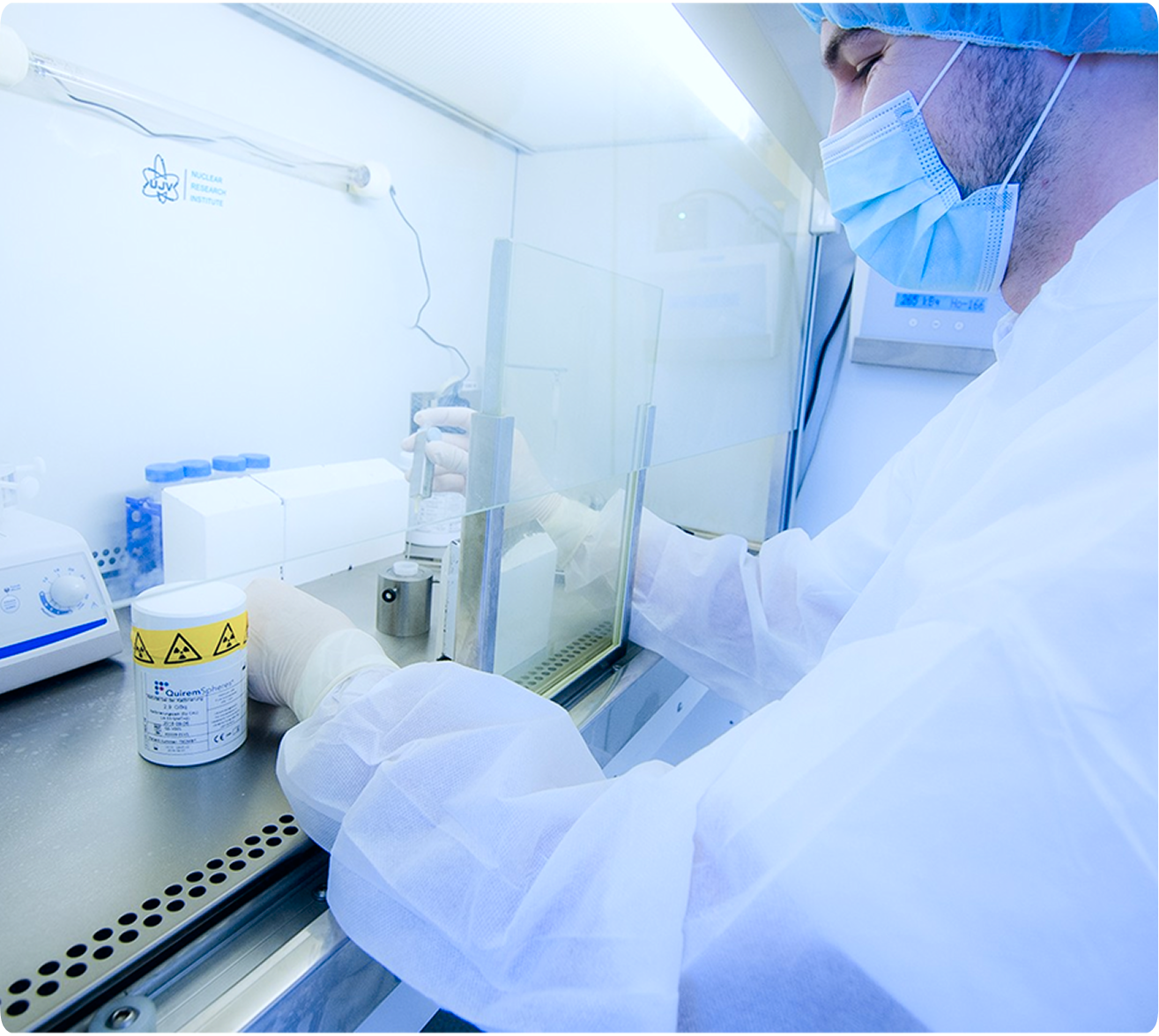
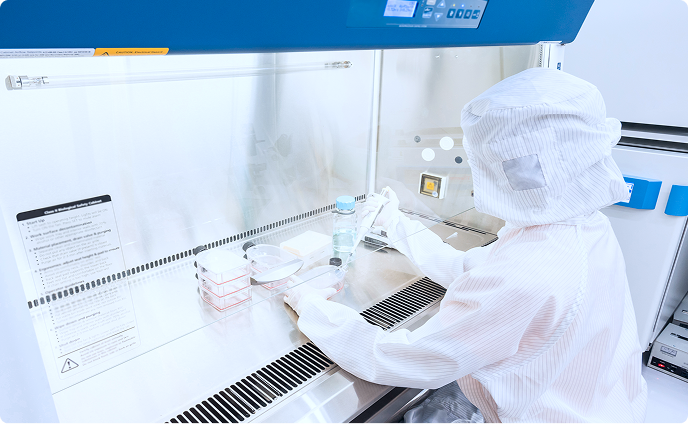





An effective contamination control program is a critical component of sterile and GMP-regulated manufacturing. Whether producing biologics, sterile injectables, cell and gene therapies, radiopharmaceuticals, or advanced medical devices, facilities must operate with constant vigilance. A well-built contamination control plan is the backbone of this vigilance—defining how a cleanroom prevents, detects, responds to, and learns from contamination risks.
Regulators now expect organizations to move beyond reactive troubleshooting and instead adopt holistic contamination-control strategies that integrate facility design, HVAC performance, gowning, cleaning, environmental monitoring, and quality oversight. This proactive mindset not only improves product safety but also reduces operational disruptions and audit exposure.
This article outlines how to design a comprehensive, forward-looking contamination control program supported by a strong risk mitigation framework.
Why Contamination Control Must Be Proactive, Not Reactive
Contamination events rarely happen suddenly—they develop slowly through subtle shifts in airflow, personnel behavior, cleaning drift, or process complexity. By the time a contamination trend is visible in environmental monitoring data, the underlying issues may already be deeply embedded in operations.
A proactive approach to contamination control helps:
- Reduce environmental monitoring excursions.
- Strengthen compliance with FDA, EMA, and ISO 14644 expectations.
- Prevent batch loss and manufacturing downtime.
- Improve audit readiness.
- Reduce corrective actions and retraining.
- Strengthen product quality and patient safety.
A strong contamination control plan provides structure, visibility, and consistency across all the operational elements that influence cleanroom integrity.
Step 1: Build a Risk-Based Foundation
Every robust contamination control strategy starts with a facility-specific risk mitigation framework. This framework identifies:
- How contamination might enter or spread.
- Which processes are most vulnerable?
- Which zones represent the highest risk?
- Which combinations of events (equipment movement, personnel flow, HVAC changes) could increase exposure?
This assessment should include:
- Process flow mapping.
- Material and personnel flow analysis.
- HVAC and pressure cascade evaluation.
- Identification of high-touch and high-risk surfaces.
- Review of equipment heat loads and airflow disturbance points.
- Historical EM trend data.
This risk foundation shapes all SOPs, cleaning frequencies, monitoring activities, and training programs.
Step 2: Evaluate Facility and HVAC Design
Contamination control begins with the physical environment. A proactive contamination control plan must evaluate:
- HEPA and ULPA filtration performance.
- Air change rates per ISO classification.
- Recovery times.
- Pressure differentials.
- Door interlocks and airlock sequencing.
- Turbulence zones created by equipment or personnel movement.
- Compatibility of building materials with disinfectants.
Facilities with strong foundational design require less compensatory control, resulting in more stable operations and fewer contamination events.
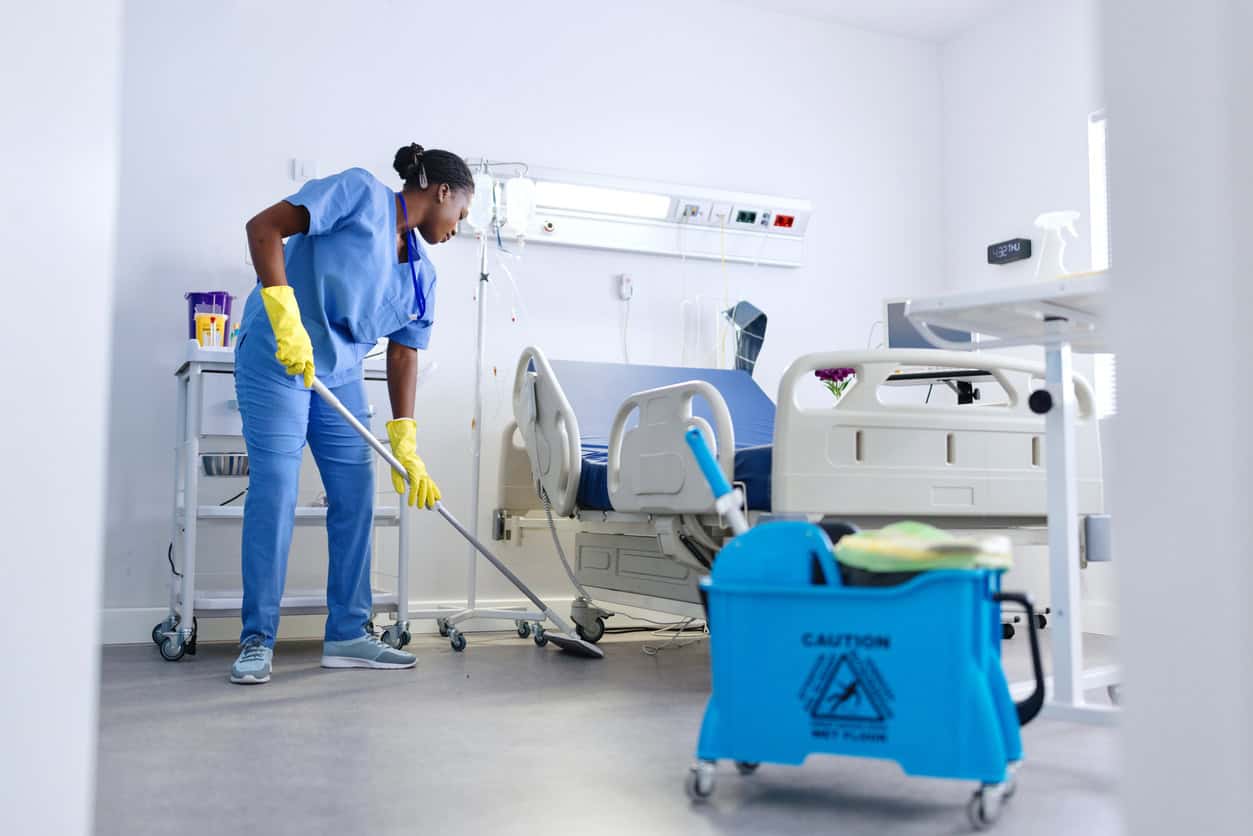
Step 3: Strengthen Cleaning and Decontamination Programs
Cleaning is one of the most variable activities in cleanroom operations. Even minor deviations in technique, contact times, or disinfectant rotation can cause contamination drift.
A proactive cleaning program includes:
- Validated cleaning processes.
- Defined disinfectant and sporicidal rotation.
- Detailed SOP sequencing.
- Routine room-level decontamination cycles.
- Ongoing operator qualification.
- Clear visual cleaning schedules.
- Integration of findings from EM data.
A strong cleaning program reduces day-to-day contamination risk and supports consistent compliance.
Step 4: Design a Targeted Environmental Monitoring Program
Environmental monitoring must reflect real contamination risks—not just regulatory minimums. A proactive program evaluates:
- Sampling locations based on risk and airflow.
- Sampling frequency aligned with process complexity.
- Surface sampling at high-touch points.
- Trending of alert and action limit performance.
- Rapid response plans for excursions.
- Integration of viable and non-viable monitoring data.
Monitoring acts as an early warning system for contamination issues, enabling timely preventive action.
Step 5: Define Personnel Flow, Gowning, and Behavior Controls
Personnel are the most significant contributors to viable contamination in most cleanrooms. A strong contamination control strategy requires:
- Defined gowning sequences.
- Operator qualification and requalification.
- Behavioral expectations in each ISO zone.
- Restrictions for movement between classifications.
- Clear rules for tool and material handling.
- Oversight to detect behavioral drift.
These controls reduce the introduction of contamination and support long-term stability.
Step 6: Integrate Equipment Cleaning and Maintenance
Equipment can accumulate contaminants, shed particles, or alter airflow patterns. A proactive contamination control program must include:
- Equipment cleaning SOPs tied to room classification.
- Preventive maintenance schedules.
- Lubricant and material compatibility assessments.
- Proper placement to avoid turbulent airflow.
- Inspection of seals, gaskets, and housings.
- Procedures for equipment brought in from non-classified areas.
Equipment-related risks often go unnoticed until they impact EM trends.
Step 7: Build Strong Documentation and Training Systems
Even the best-designed plan fails without consistent execution. Documentation should support clarity, accountability, and audit readiness.
Key components include:
- Updated SOPs for all contamination-control steps.
- Training programs aligned with process risk.
- Practical operator qualification, not just read-and-understand.
- Deviation and CAPA integration.
- Periodic review and continual improvement.
Documentation ensures the contamination control plan remains repeatable, measurable, and defensible.
Step 8: Establish Continuous Improvement and Review Mechanisms
Contamination control is a living system. A proactive program should include:
- EM trend reviews.
- HVAC performance trending.
- Findings from internal and external audits.
- Review of cleaning validation data.
- Analysis of deviations and CAPAs.
- Risk reassessments when processes or layouts change.
This continuous improvement loop strengthens the facility’s risk mitigation framework and reduces long-term exposure to contamination.
Proactive Contamination Control Protects Quality and Reduces Risk
A proactive contamination control plan ties together facility design, personnel behavior, cleaning, monitoring, and documentation into a unified, risk-based strategy. When built on a strong risk mitigation framework, this approach reduces contamination incidents, improves regulatory readiness, and strengthens overall operational performance.
If your team needs support developing a contamination control strategy, updating risk assessments, or improving audit readiness, our specialists can help. Contact us for more information.