





Home
Guides
GMP Audit Readiness: Building a Compliant Cleaning and Validation Program
Within GMP-regulated facilities, the quality of the cleaning and validation program is directly tied to audit performance. Whether an inspection comes from a regulatory agency, a customer, or an internal QA team, every element of your contamination control strategy—from SOPs to disinfectant selection to documentation—must withstand scrutiny. GMP audit readiness is not achieved the week before an inspection. It is built into daily operations, shaped by robust procedures, and proven through defensible documentation.
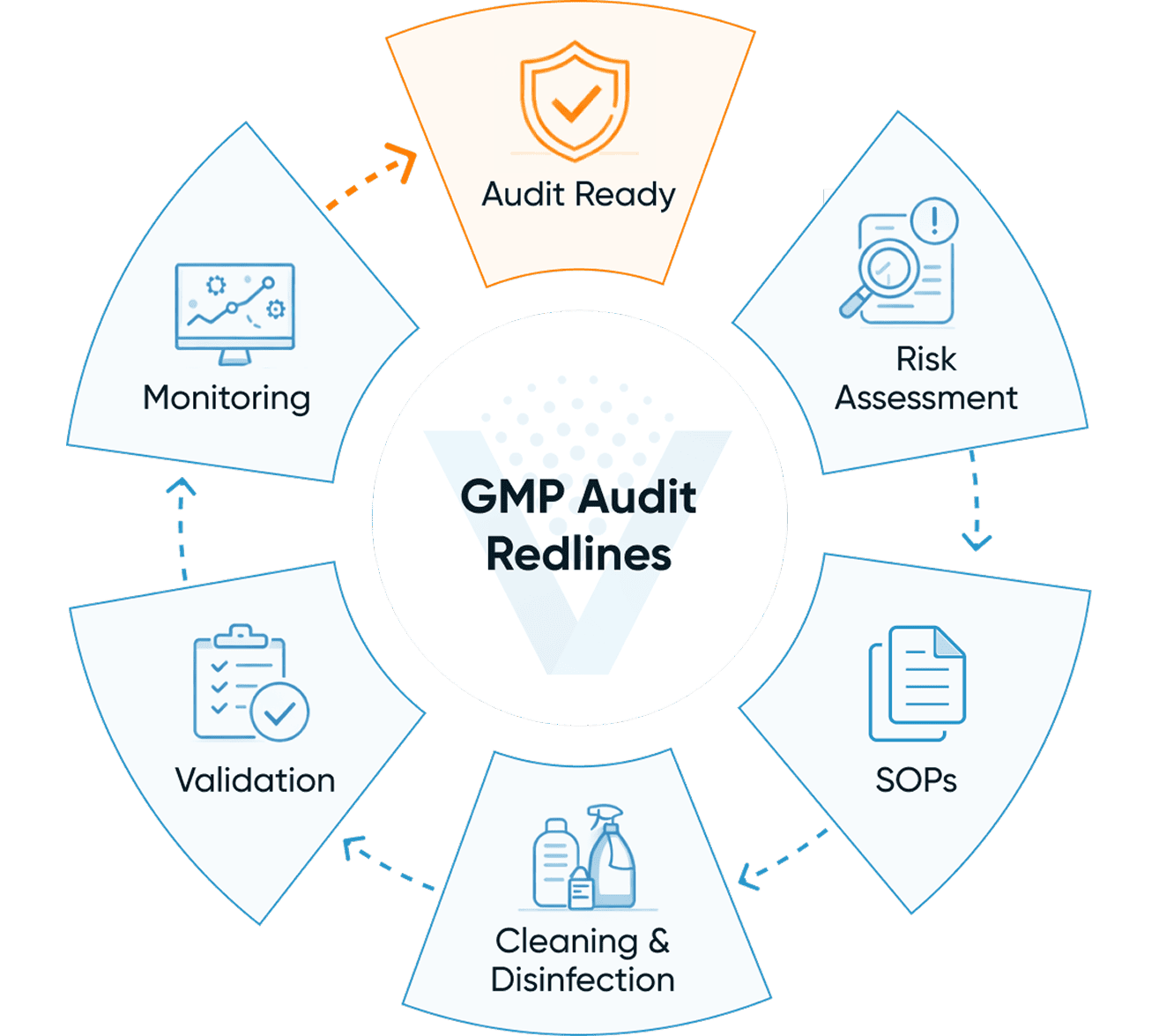
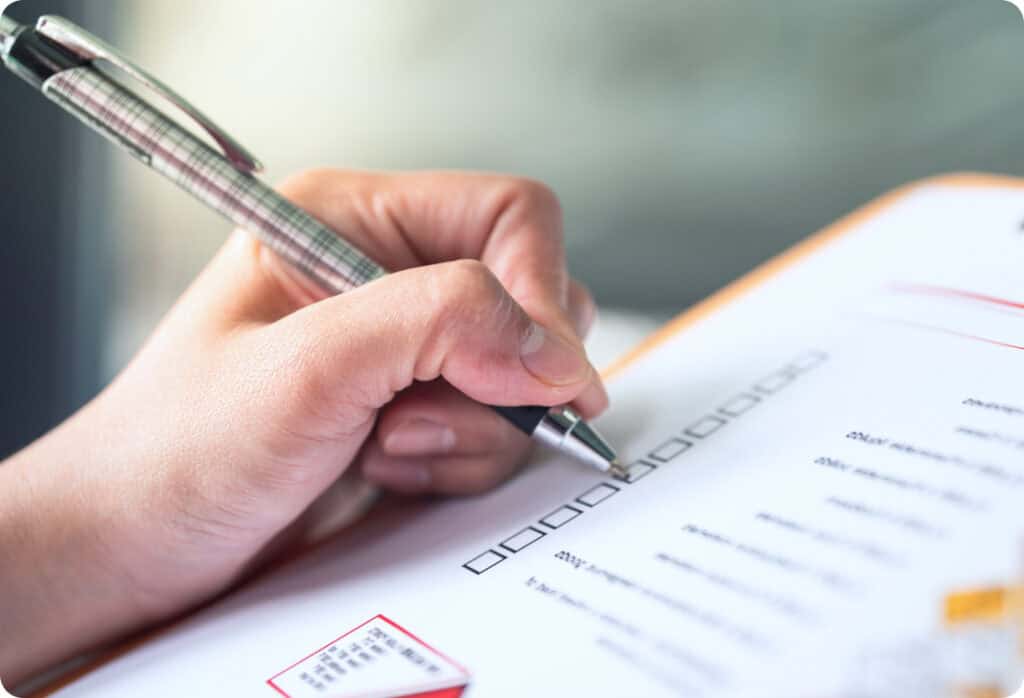
A cleanroom may look visually clean, but without traceable records, validated procedures, and trained personnel, it will not pass an audit. Regulators expect cleaning programs to be risk-based, well-documented, and scientifically justified. They also expect validation to demonstrate that cleaning methods actually work in real operational conditions. Let’s explore the core components of an audit-ready cleaning and validation program, what inspectors evaluate, and how to structure your processes so that audit readiness becomes a continuous state—not a frantic last-minute effort.
This article also includes a practical GMP validation checklist and guidance on using internal audits, trending, and QA collaboration to sustain readiness year-round. If your team needs deeper audit support, we cover how to build the right documentation, evidence, and workflows to pass inspections with confidence.
What Inspectors Look For During GMP Cleaning and Validation Audits
Inspectors expect your cleaning program to demonstrate a clear connection between risk, classification, and cleaning expectations. They look for:
- SOPs that clearly describe scope, responsibilities, materials, and step-by-step instructions.
- Cleaning frequencies tied to ISO Class and GMP Grade.
- Defined disinfectant rotation with documented rationale.
- Integration with environmental monitoring results.
- Consistency across shifts and personnel.
Auditors frequently ask operators to walk them through how an SOP is executed. If the SOP is unclear, outdated, or inconsistent across rooms, findings often follow.
Cleaning validation is required in GMP environments, whether for sterile, non-sterile, radiopharmaceutical, or biopharmaceutical spaces. Inspectors look for:
- Validation protocols that define acceptance criteria, sampling plans, and methods.
- Demonstrated microbial and particulate reduction aligned to risk.
- Evidence of repeatability across operators and cycles.
- Validation reports with conclusion statements and data summaries.
If cleaning methods, disinfectants, or equipment change, revalidation must be documented.
Documentation is where most findings occur. Inspectors look for:
- Adherence to GDP principles (ALCOA+).
- Version control and change history for SOPs.
- Traceability between cleaning logs and training records.
- Lot numbers and expiry details for disinfectants.
- Links between cleaning records, deviations, and CAPA.
If documentation is incomplete, illegible, or inaccurate, the program is considered non-compliant—even if the physical cleaning is excellent.
- Missing or backdated cleaning records.
- Operators using outdated SOP versions.
- No rationale for disinfectant rotation.
- Inconsistent or untrained personnel.
- Weak BI/CI documentation.
- Records failing ALCOA+ principles.
These findings often stem from systemic issues, not individual errors, which makes audit readiness a structural discipline rather than a quick fix.
Building a Strong Cleaning Program for Daily Audit Readiness
Cleaning programs should be designed based on contamination risk, the cleanroom’s ISO Class, the GMP Grade, and the activities performed in each room. Risk-based structure should identify:
- High-risk areas with frequent open handling.
- Moderate-risk support areas.
- Lower-risk corridors, airlocks, and non-critical zones.
Daily execution should clearly align with this risk map. High-risk spaces should have tighter controls, more frequent cleaning, and broader disinfection coverage.
Cleaning SOPs should be precise, practical, and aligned with regulatory expectations. They should include:
- Purpose and scope.
- Room classifications covered by the procedure.
- Required materials and equipment.
- Step-by-step cleaning sequence.
- Disinfectant instructions with contact times.
- Documentation requirements.
Diagrams, photos, or workflow charts help ensure consistency across operators. SOPs must be version-controlled, periodically reviewed, and updated after investigations or changes.
Audit-ready disinfectant programs must justify the use of each agent. This includes:
- Spectrum of activity and facility-specific efficacy.
- Rationale for rotation between detergent, disinfectant, and sporicide.
- Defined contact times and residue removal.
- Compatibility with surfaces and equipment.
Auditors frequently ask why products were chosen and how rotation reduces microbial resistance. A defensible rationale is essential.
Operators must be trained not only in SOPs but also in cleanroom behavior, aseptic movements, and contamination control principles. A strong training program includes:
- Initial instruction.
- Periodic retraining.
- Practical competency assessments.
- Retraining after deviations or findings.
These records contribute significantly to audit support and demonstrate operational control.
Cleanroom cleaning and environmental monitoring must work together—not in isolation.
- EM results guide cleaning adjustments.
- Trends point to hotspots requiring intensified cleaning.
- Deviations trigger cleaning investigations or enhanced sporicidal cycles.
- Major events (construction, spills, contamination) require targeted EM post-cleaning.
An audit-ready cleaning program requires clear, complete documentation. Records must include:
- Exact room and zone identifiers.
- Date, time, and duration of each cleaning step.
- Names and signatures of personnel involved.
- Lot numbers and expiry dates of chemicals.
- Verification of contact times.
- Deviations, anomalies, and corrective actions.
- Reviewer signatures (often QA or supervisors).
Electronic recordkeeping systems must ensure data integrity through controlled access, timestamping, and audit trails.
Validation Program Essentials for Audit-Proof Cleaning Processes
A cleaning validation must show:
- The procedure reduces contamination to acceptable levels.
- The method works across representative operators.
- The approach is repeatable and produces consistent outcomes.
- The process is aligned with the contamination control strategy.
Validation requirements vary based on product, room classification, and risk, but the principle remains the same: the process must be proven.
A strong validation study includes:
- Approved protocol with scope and rationale.
- Defined worst-case locations and surfaces.
- Sampling plan for viable and non-viable contamination.
- Defined acceptance limits based on risk.
- Execution by trained personnel.
Sampling must reflect real operational conditions, not artificially optimized ones.
Disinfectant validation must show:
- Effectiveness against relevant organisms.
- Efficacy at the facility’s chosen contact time.
- Sporicidal performance where required.
- Material compatibility.
Omitting disinfectant validation is a frequent audit finding, especially in sterile environments.
The validation report must include:
- Summary of protocol execution.
- Raw data and trend analysis.
- Deviations and CAPA.
- Conclusion stating whether the process is validated.
This report becomes part of the audit record and supports the facility’s overall GMP audit readiness.
Documentation: The Backbone of GMP Audit Readiness
- Attributable.
- Legible.
- Contemporaneous.
- Original.
- Accurate.
- Complete.
- Consistent.
- Enduring.
- Available.
These principles apply to both paper and digital systems.
- Date, time, and location.
- SOP version used.
- Operators and reviewer signatures.
- Materials and disinfectants used.
- Deviations and corrective actions.
Consistency is key. Records across multiple shifts should show the same patterns of completeness and accuracy.
- Protocol.
- Raw data.
- Trend charts.
- Final report.
- Change control records.
Inspectors expect these documents to be retrievable within minutes.
- Training records.
- Preventive maintenance logs.
- Calibration certificates.
- Environmental monitoring trends.
- CAPA and deviation history.
This documentation shows that the cleaning and validation program is integrated with the broader quality system.
The Complete GMP Validation Checklist for Cleaning and Decontamination Programs
Program Foundations
- Scope defined based on risk.
- Updated SOPs approved through change control.
Disinfectant Program
- Rotation plan with scientific rationale.
- Spectrum of activity data on file.
Cleaning Validation
- Sampling plan with worst-case coverage.
- Acceptance criteria aligned to ISO Class and GMP Grade.
- BI/CI placement strategy.
- Protocol and final report completed.
Documentation
- Cleaning logs are complete and contemporaneous.
- Deviations documented and linked to CAPA.
- Training records up to date.
Audit Support Readiness
- Pre-audit document package prepared.
- SOPs and validation files indexed for quick retrieval.
- Data integrity controls verified.
This checklist helps QA teams identify gaps before inspections and supports continuous compliance.

How to Maintain Continuous Audit Readiness Year-Round
Ongoing Monitoring and Trending
Schedule-Based Revalidation
Event-based and periodic revalidation ensure cleaning methods remain effective. Common triggers include:
- Facility upgrades.
- New disinfectants.
- Process changes.
- EM excursions.
Internal Audits
Successful facilities run internal audits that mimic regulatory inspections. These may include:
- Random record reviews.
- SOP adherence checks.
- Operator observation.
- Documentation completeness assessments.
Internal audits provide valuable insights and strengthen readiness.
Cross-Functional QA Engagement
Strong Programs Build Strong Audit Outcomes
GMP audit readiness is achieved through the convergence of validated cleaning procedures, defensible documentation, trained personnel, and proactive quality oversight. When these elements come together, your cleanroom operates in a consistently controlled state—and your organization is ready for any inspection.
Ready to strengthen your cleaning and validation program? Our team can help you assess SOPs, documentation, disinfectant strategies, and validation data, and provide comprehensive audit support to prepare your facility for the next regulatory or customer audit.