
Home
Specialized Service Packages
The Complete Guide to GMP Cleanroom Cleaning Standards and Audit-Ready Protocols
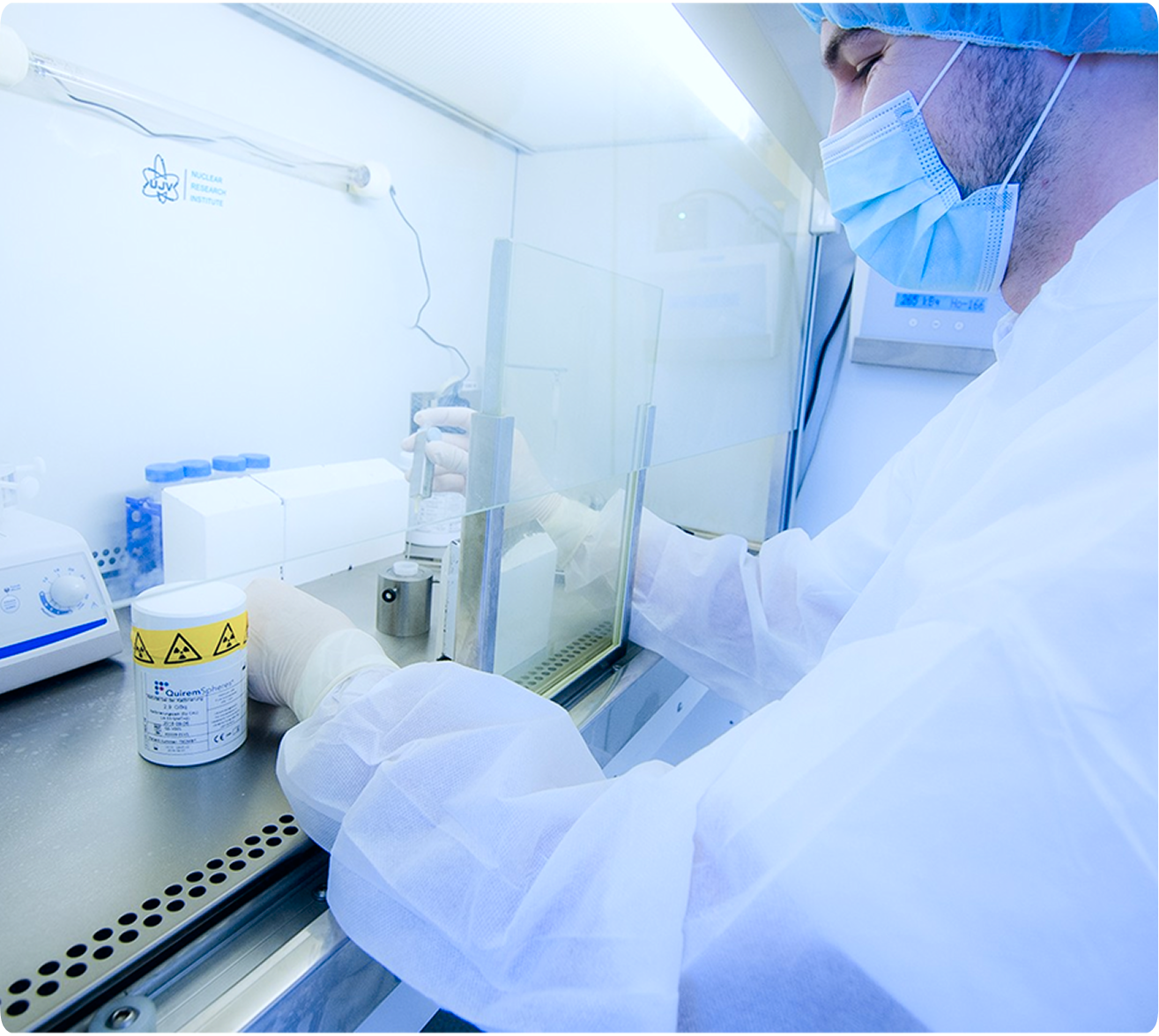
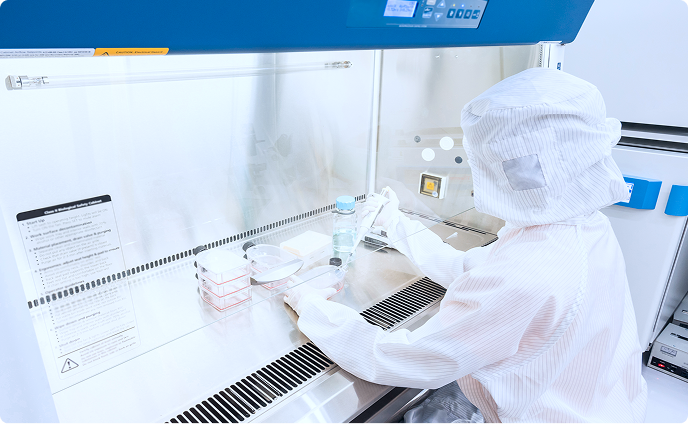
Cleanrooms sit at the core of modern pharmaceutical, biotech, radiopharmaceutical, and advanced laboratory environments. They are the safeguard between controlled production and the contamination risks that threaten product quality, patient safety, and operational continuity. That’s why cleanroom cleaning services have become one of the most critical (and most heavily scrutinized) parts of a regulated facility’s contamination control strategy.
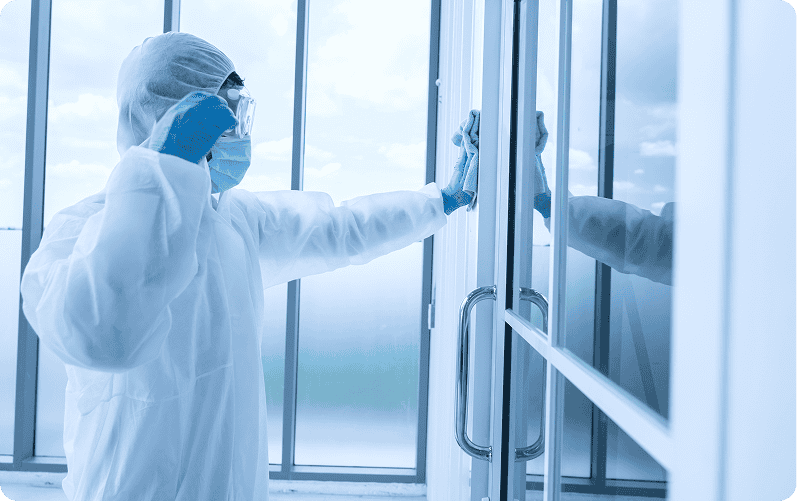
Why? Regulators expect more than clean surfaces. They expect documented control, validated methods, and a clear demonstration that your cleaning program is repeatable, compliant, and scientifically justified. Whether you operate a sterile fill-finish suite, a radiopharma hot lab, a CDMO production line, a compounding cleanroom, or a research environment, your cleaning practices must be rooted in GMP cleaning principles—and ready to withstand internal, client, and regulatory audits.
This guide provides a complete overview of the standards, protocols, and operational expectations behind an audit-ready cleaning program. You’ll learn what inspectors look for, why cleanrooms fail audits, and how to build (or outsource) a cleaning program that reduces risk and supports uninterrupted operations.
Understanding GMP and Cleanroom Standards
Good Manufacturing Practices (GMP) are the foundational regulations that govern the production of medicinal and life-science products. GMP expectations demand consistency, traceability, and risk-based control of every activity that may affect product quality—including facility cleaning.
For cleanrooms, GMP requirements touch every aspect of environmental control:
- Particulate and microbial contamination must remain within tightly defined limits.
- Cleaning must follow written, version-controlled procedures.
- Disinfectants must have documented efficacy.
- Personnel must be trained, qualified, and periodically reassessed.
- Records must demonstrate that cleaning was performed correctly, on time, and by authorized staff.
Whether governed by FDA cGMPs, EU GMP Annex 1, or Health Canada GMP, the principles remain consistent: only documented, verified control is acceptable.
While GMPs specify the rules for pharmaceutical and biotech operations, ISO 14644 establishes the technical classification for cleanrooms based on airborne particulate concentration. Understanding cleanroom classes is essential because cleaning expectations vary significantly depending on the classification or GMP Grade.
General equivalencies:
- ISO Class 5 ≈ GMP Grade A/B: critical zones, open product, aseptic operations.
- ISO Class 7 ≈ Grade C: less critical but still tightly controlled manufacturing support areas.
- ISO Class 8 ≈ Grade D: background areas, gowning rooms, preparation spaces.
Higher grades require more frequent cleaning, validated disinfectant rotation, and stricter control of personnel behaviour. Cleaning programs must therefore be intentionally designed around the specific classification and function of each room.
GxP (GMP, GLP, GCP) establishes the expectation that all critical activities must be documented accurately and contemporaneously. But within a cleaning program, Good Documentation Practice (GDP) is critical.
GDP emphasizes the ALCOA+ principles:
- Attributable
- Legible
- Contemporaneous
- Original
- Accurate
- Complete, Consistent, Enduring, Available
An audit-ready cleaning program is only as strong as its documentation if an inspector cannot follow the “story” of your cleaning activities—who performed them, when, how, with what materials, and under which SOP version—your operation is at risk, even if the rooms appear spotless.
Why Cleanroom Cleaning Programs Fall Short
Non-Validated Cleaning
Methods
Under-trained Personnel
Poor Coordination with Operations
Cleaning that conflicts with maintenance, production schedules, or changeovers leads to missed steps, rushed work, or inconsistent results. A well-designed program must integrate seamlessly with operations, validation, engineering, and QA.
Building an Audit-Ready GMP Cleaning Program
An effective cleaning program starts with a contamination control strategy:
- Classify areas by risk level and operational function.
- Map personnel and material flows.
- Review historical deviations and environmental monitoring trends.
- Assign cleaning frequencies according to ISO class and GMP Grade.
- Define documentation depth based on risk.
High-risk areas require more frequent and more thoroughly documented cleaning, whereas support spaces can follow a reduced but still controlled cycle.
Every cleaning activity must follow a written, controlled procedure. A robust SOP should include:
- Pre-clean requirements (line clearance, equipment shutdown, staging).
- Order of operations (top-down, clean-to-dirty, inward-to-outward).
- Defined wipe patterns and approved tools.
- Disinfectant application methods.
- Required contact times for each agent.
- Post-clean verifications.
Cleaning validation must show that these procedures consistently meet defined bioburden and residue limits. Validation is not a one-time activity; it must be reassessed whenever a process, agent, or piece of equipment changes.
- Primary disinfectant(s) for routine cleaning.
- A periodic sporicide for spore-forming organisms.
- Scientifically justified rotation to minimize resistance.
- Documented contact times.
- Material compatibility assessments.
- Residue removal steps where needed.
Residue management is often overlooked. Some disinfectants, especially sporicides, leave films that can impact equipment finishes or product quality if not removed as specified.
People are the highest contamination risk in any cleanroom. Training programs should include:
- Gowning procedures tailored to the cleanroom Grade.
- Cleanroom behaviour training (movement, no-touch zones, material handling).
- Tool-handling techniques to avoid cross-contamination.
- Routine competency assessments and periodic retraining.
- Immediate retraining after deviations or audit findings.
Cleanroom cleaning and environmental monitoring must work together—not in isolation.
- EM results guide cleaning adjustments.
- Trends point to hotspots requiring intensified cleaning.
- Deviations trigger cleaning investigations or enhanced sporicidal cycles.
- Major events (construction, spills, contamination) require targeted EM post-cleaning.
An audit-ready cleaning program requires clear, complete documentation. Records must include:
- Exact room and zone identifiers.
- Date, time, and duration of each cleaning step.
- Names and signatures of personnel involved.
- Lot numbers and expiry dates of chemicals.
- Verification of contact times.
- Deviations, anomalies, and corrective actions.
- Reviewer signatures (often QA or supervisors).
Electronic recordkeeping systems must ensure data integrity through controlled access, timestamping, and audit trails.
Example of A Complete Audit-Ready Cleaning Protocol
Pre-Clean Preparation
- Review and confirm the correct SOP version.
- Verify room status: production halted, equipment closed, materials cleared.
- Stage all approved tools and disinfectants.
- Inspect wipes, mops, and carts for integrity and cleanliness.
- Perform gowning according to the room’s Grade.
Cleaning Execution
Follow a structured, repeatable sequence:
- Clean ceilings and high surfaces where safe and accessible.
- Wipe walls, viewing panels, pass-throughs, and fixtures.
- Clean equipment exteriors using equipment-specific SOPs.
- Wipe working surfaces, tables, and carts.
- Clean floors last, using unidirectional patterns.
Throughout the process:
- Maintain top-down and clean-to-less-clean logic.
- Avoid unnecessary backtracking into already cleaned areas.
- Replace wipes and mop heads at defined intervals.
Disinfection
- Apply disinfectant using pre-approved techniques (spray/wipe, pour/wipe, pre-saturated wipes).
- Ensure surfaces remain visibly wet for the full contact time.
- Use sporicide according to the scheduled rotation or as directed after deviations.
- Perform rinse or residue removal steps if required.
Post-Clean Checks
- Conduct a supervisor or second-person visual inspection.
- Document surface condition, residue presence, and overall room status.
- Trigger EM if required by the SOP (post-construction, contamination event, or major intervention).
Documentation and Handover
- Complete logbooks in real time—no blanks, no batch signing.
- Record all materials, tools, and disinfectants used.
- Supervisor reviews completeness and correctness.
- Handover room status to operations and QA.
This structured approach creates a defensible record that inspectors can follow without ambiguity.
When Deviation Response, Contamination Events, and CAPA Integration Create Issues
Even the best-run programs face unexpected issues. What matters to regulators is how effectively your facility responds.
Monoclonal Antibodies
- Environmental monitoring excursions.
- Visual contamination such as residue, particulates, or staining.
- Unplanned room access or maintenance activity.
- Audit observations related to cleaning or documentation.
Structured Response
A GMP deviation system should include:
- Immediate containment: quarantine affected areas or materials.
- Investigation: review cleaning logs, EM trends, chemical preparation records, and personnel training.
- Corrective actions: enhanced cleaning, sporicidal treatments, room shutdowns, or equipment decontamination.
- Preventive actions: revisions to SOPs, frequencies, tools, or training.
Maintaining clear traceability is key: inspectors must see a logical connection between the deviation, investigation, CAPA plan, and future risk reduction.
When to Use Specialized Decontamination Services
Some events exceed the scope of routine cleaning:
- Persistent bioburden or mold.
- Contamination following construction or maintenance.
- Product spills or hazardous material events.
- Requalification or recommissioning cycles.
Building a Cleanroom Team vs. Partnering with Experts - When to Partner with a GMP Cleanroom Cleaning Provider
- Recruiting and retaining GMP-trained cleaning staff.
- Maintaining up-to-date SOPs and validation packages.
- Managing documentation at the scale audits require.
- Aligning cleaning with variable production schedules.
- Balancing cleaning needs during shutdowns or campaigns.
Benefits of Working with a Specialized Provider Like Vibraclean
What to Look For
When selecting a partner, evaluate:
- Experience with your industry type (pharma, biotech, CDMO, radiopharma, compounding).
- Capability to integrate with your quality system.
- Maturity of their documentation and data integrity controls.
- Flexibility to adapt to your scheduling and risk profile.
- Level of training and competencies of their staff.
- Ability to support audits and client inspections.
Your Cleanrooms Must Be Audit-Ready Every Day
GMP-compliant cleanrooms demand more than routine housekeeping. They require validated, risk-based procedures; trained and qualified personnel; scientifically justified disinfectants; and documentation that withstands regulatory scrutiny. A strong program reduces contamination risk, improves operational reliability, and supports uninterrupted production.
Whether you build your program internally or rely on a specialized provider, the principles in this guide will help you maintain a compliant, consistent, and inspection-ready environment.
