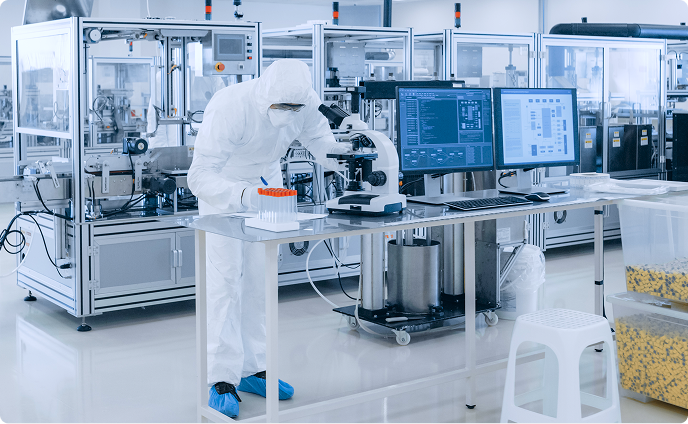

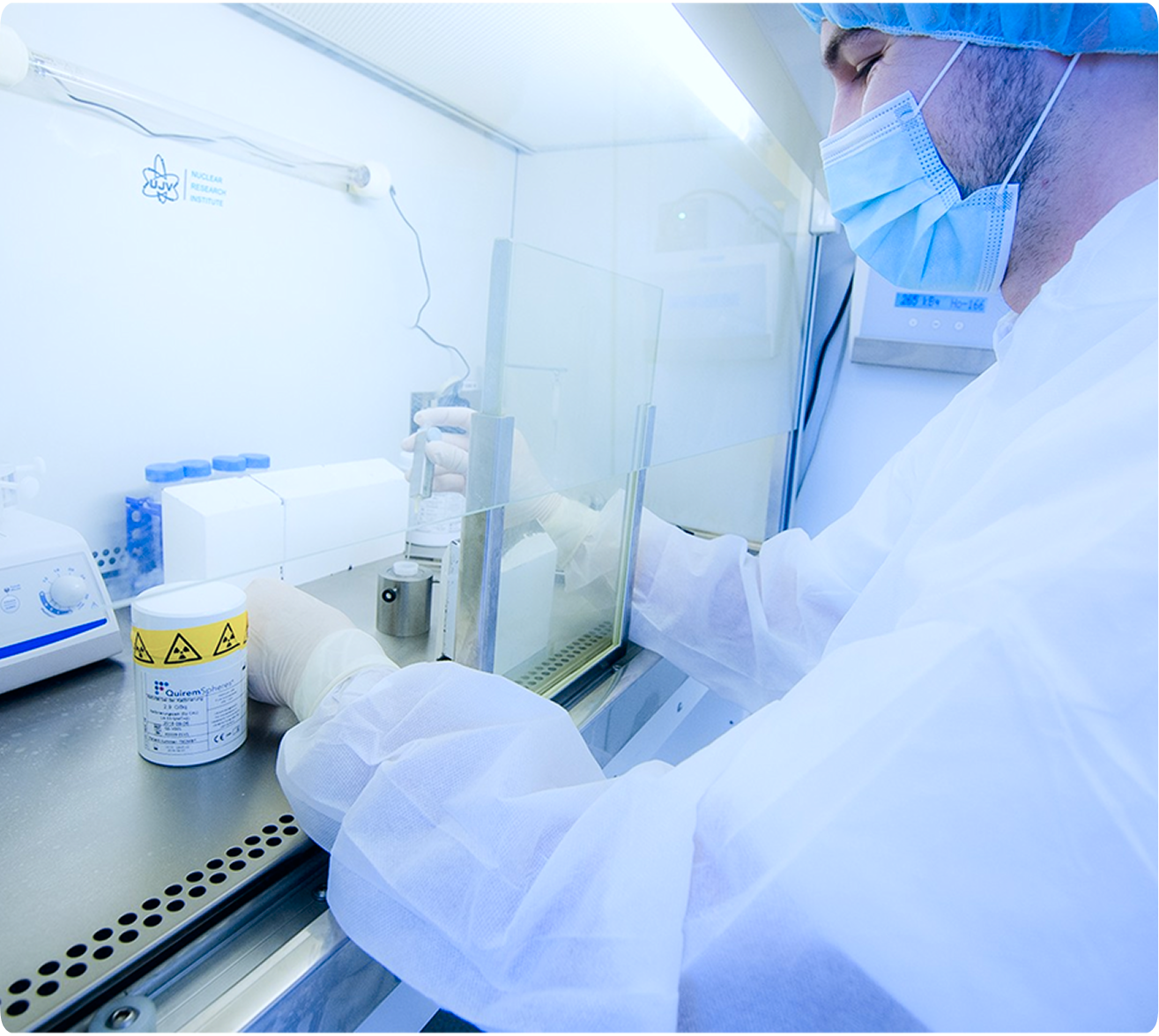
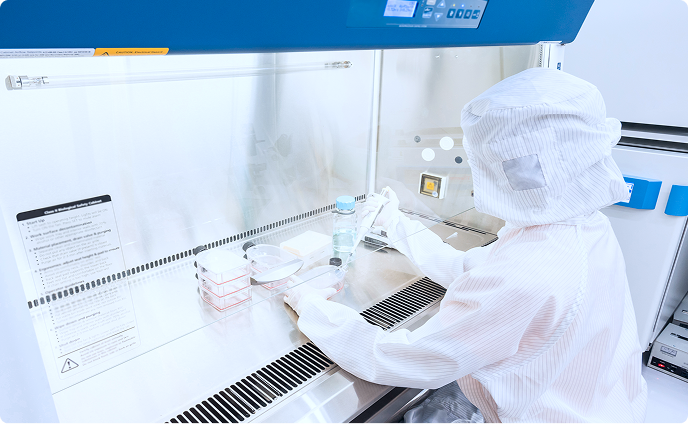






In GMP-regulated environments, few risks carry as much regulatory exposure as cross-contamination. Whether it involves microbial spread, chemical residue, particulate transfer, or unintended product carryover, cross-contamination undermines product quality and patient safety — two pillars at the heart of Good Manufacturing Practice requirements. As a result, cross-contamination GMP events are among the fastest ways facilities attract regulatory scrutiny, inspection follow-up, or escalating corrective actions.
Cross-contamination incidents rarely happen in isolation. They almost always point to weaknesses in cleaning, material movement, airflow control, segregation, or operator practices. Regulators view these events as indicators of broader systemic issues, which is why even minor lapses can attract significant audit attention.
This article explains why cross-contamination so often triggers regulatory action and how facilities can strengthen cleaning and contamination-control programs to avoid audit nonconformance findings.
Why Regulators Prioritize Cross-Contamination Risks
Regulators treat contamination as a direct risk to patient safety — and therefore one of the most serious categories of GMP deviations. Cross-contamination can affect:
- Product sterility.
- Chemical purity.
- Batch integrity.
- Environmental stability.
- Equipment cleanliness.
- Downstream testing and release.
Given the high potential impact, regulators expect facilities to demonstrate strong control through validated cleaning, proper segregation, defined workflows, and consistent operator behavior.
Facilities that cannot demonstrate these controls often face regulatory follow-up or intensified inspections.
How Cross-Contamination Events Typically Occur
Understanding how cross-contamination develops helps facilities strengthen prevention programs. The most common sources of cross-contamination GMP incidents include:
- Ineffective or inconsistent cleaning.
- Poor disinfectant rotation or insufficient sporicidal cycles.
- Inadequate segregation between dirty and clean processes.
- Improper material or waste handling.
- Contaminated tools, carts, or equipment.
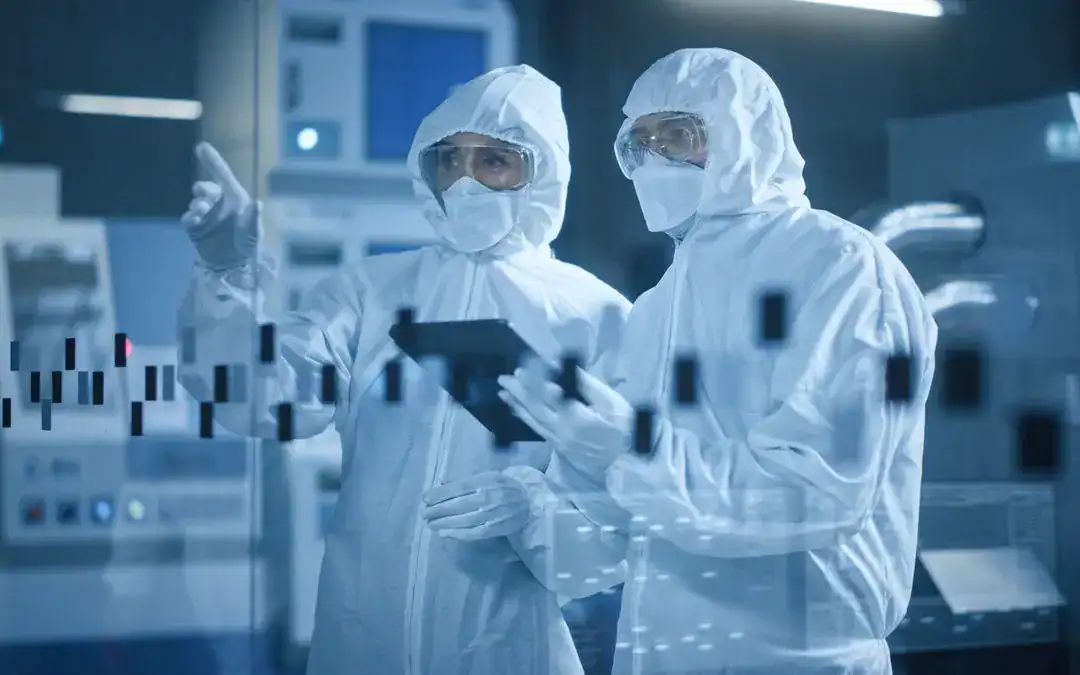
- Inconsistent glove hygiene and gowning adherence.
- Unidirectional wiping failures.
- Poor airflow control or pressure drift between rooms.
- Construction dust migration.
- Equipment is used across rooms without proper cleaning.
Each of these factors creates pathways for microbes, particles, or residues to move where they should not.
Why Cross-Contamination Often Leads to Audit Findings
Auditors view cross-contamination as a symptom of deeper gaps in the facility’s contamination-control strategy. Once an event occurs, auditors will often examine:
- Cleaning procedures.
- Documentation accuracy.
- EM (Environmental Monitoring) trending.
- Gowning compliance.
- Material-flow design.
- Equipment cleaning validation.
- Room classification and pressure stability.
- Cleaning-tool segregation.
- Training records.
This broad review is why a single incident can lead to multiple audit nonconformance observations.
Regulatory Consequences Can Escalate Quickly
Depending on severity, a cross-contamination event may result in:
- Regulatory inspection observations such as FDA Form 483 (U.S.) and Health Canada Risk-rated deficiencies (Canada), Warning Letters.
- Product hold or batch rejection.
- Mandated corrective actions.
- Reinspection.
- Intensified regulatory oversight.
Events involving microbial contamination generally receive the strongest scrutiny.
The Role of Cleaning and Disinfection in Preventing Cross-Contamination
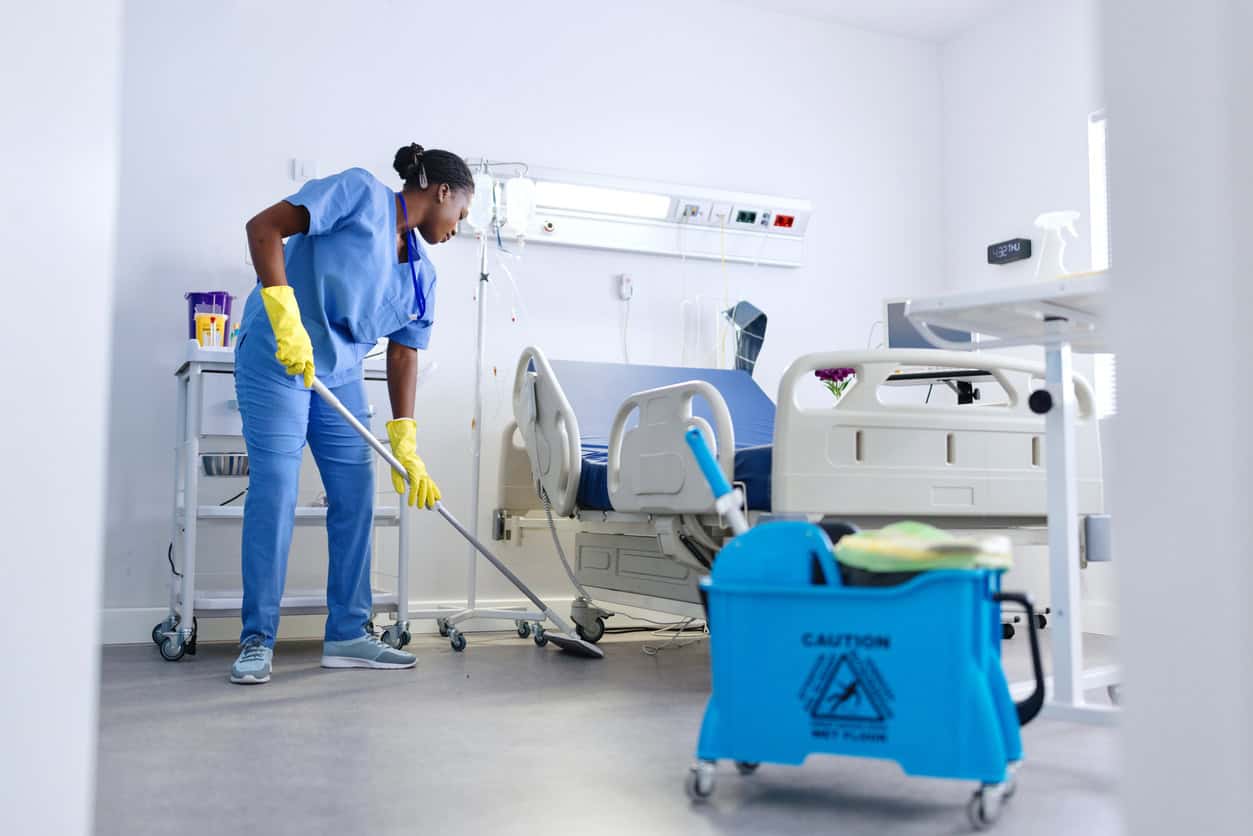
While many operational factors contribute to contamination, cleaning is the front-line defense. A strong cleaning and disinfection program reduces the likelihood of contaminants moving between rooms, equipment, or product-contact areas.
Key cleaning controls include:
- Validated disinfectants and defined contact times.
- Clear sequencing from clean to dirty areas.
- Strong sporicidal integration.
- Complete, real-time documentation.
- Segregation of tools and materials by room or class.
- Consistent technique training.
- Defined frequencies based on room classification and risk.
When executed well, cleaning significantly reduces the likelihood of cross-contamination GMP events.
How Environmental Monitoring Identifies Early Warning Signs
Environmental Monitoring (EM) trends are often the first indication that contamination is spreading. Key warning signals include:
- Recurring microbial hits in the same zone.
- Sudden particle spikes in previously stable rooms.
- Correlated excursions across connected areas.
- Increased viable counts after specific cleaning cycles or shifts.
- Recovery of the same organism across multiple rooms.
Regulators expect EM data to feed back into contamination-control decisions.
Documentation Shortcomings Often Intensify Regulatory Concerns
Even if cleaning is performed correctly, weak documentation can make a cross-contamination event appear more serious. Auditors commonly cite:
- Missing signatures or timestamps.
- Inconsistent descriptions of areas cleaned.
- Incomplete disinfectant logs.
- Unclear tool traceability.
- Discrepancies between log entries and SOPs.
Because cleaning directly affects contamination control, documentation issues often result in audit nonconformances.
Training and Operator Behavior Play a Major Role
Cross-contamination is frequently linked to human factors. Operators routinely interact with surfaces, equipment, and materials, making behavior a key component of contamination control.
Common behavioral gaps include:
- Inconsistent glove sanitization.
- Touching non-cleanroom surfaces during cleaning.
- Improper movement between classified rooms.
- Incorrect handling of wipes or tools.
- Breaking the unidirectional flow during wiping.
Training must emphasize both technique and intent.
Facility Layout and Pressure Control Can Contribute to Events
Although VibraClean does not provide engineering design services, facilities must ensure:
- Pressure relationships between rooms are stable.
- HVAC function supports contamination control.
- Construction or maintenance activities are isolated.
- Equipment placement does not disrupt airflow.
When pressure drift or poor airflow contributes to contamination, auditors view it as a serious system-level risk.
Strong Cleaning Practices Reduce Cross-Contamination Risk
Facilities can significantly reduce regulatory exposure by strengthening contamination-control practices, reinforcing validated cleaning techniques, integrating EM trends, and ensuring thorough documentation. These actions help prevent cross-contamination GMP events and reduce the likelihood of audit nonconformance observations.
If your facility needs support maintaining contamination-control stability through validated cleaning, decontamination, or environmental-readiness cleaning services, VibraClean’s team can help. Contact us for more information.