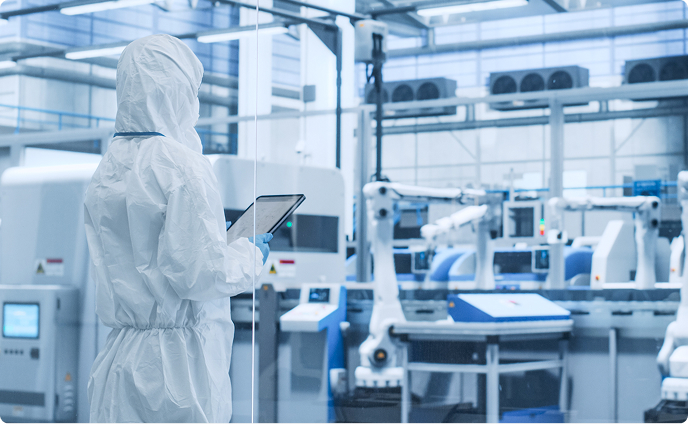
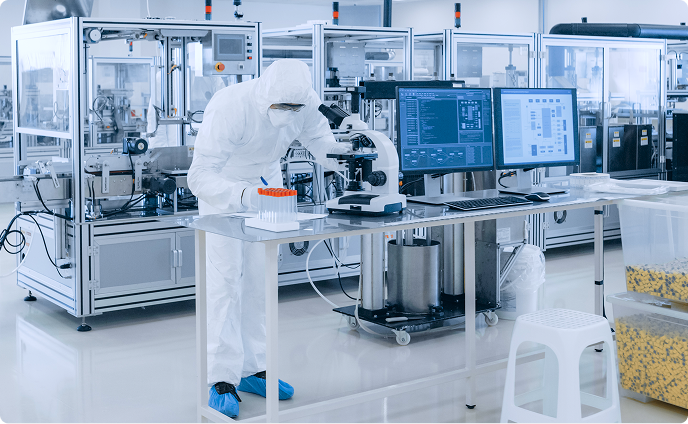

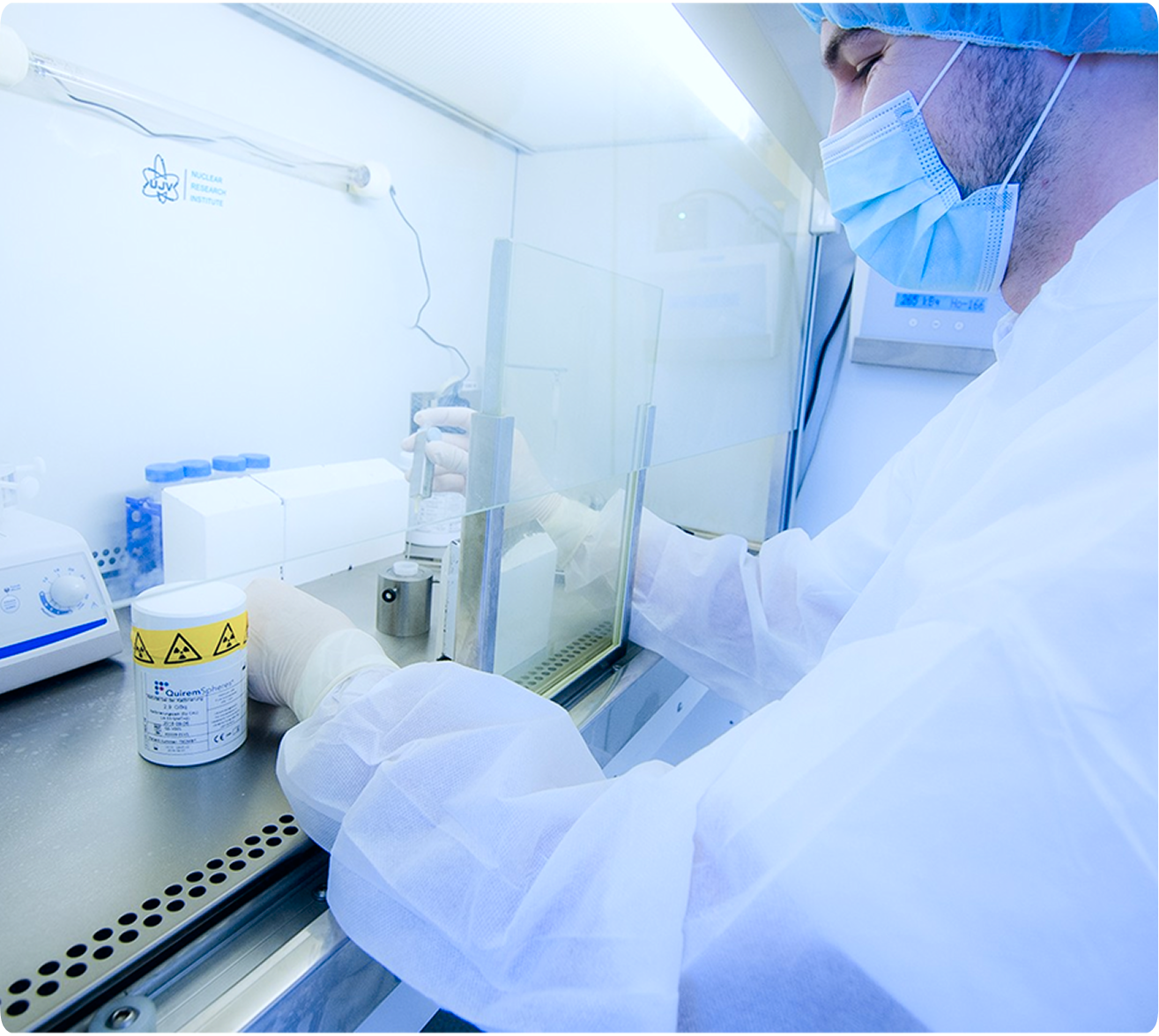





Effective cleanroom management requires more than strong cleaning routines or well-written SOPs. It depends on the cooperation of multiple departments — especially Quality Assurance (QA) and Facilities teams — working together to maintain environmental control, ensure operational readiness, and prevent contamination drift. In regulated environments, cleanrooms must perform consistently across shifts, seasons, and process changes, and that stability comes from cross-functional alignment.
Cleaning teams, Facilities, and QA each have specific responsibilities, but contamination control sits at the intersection of all three. When communication is strong and responsibilities are clearly defined, cleanrooms remain stable, operators stay informed, and the facility meets expectations for cleanliness, documentation, and inspection readiness.
This article explains how coordinated teams elevate performance, reduce risk, and strengthen the overall contamination control strategy.
Why Cross-Functional Collaboration Matters
Cleanrooms are complex environments. Airflow, pressure stability, gowning discipline, equipment placement, and cleaning procedures collectively determine environmental quality. When departments work in isolation, blind spots develop, and contamination control weakens.
Stronger collaboration leads to:
- Fewer environmental monitoring excursions.
- Reduced documentation discrepancies.
- Smoother audits.
- Clearer communication between shifts.
- Faster resolution of issues.
- Improved validation of cleaning routines.
- Better long-term cleanroom management.
This alignment supports efficient and predictable operations.
The Role of QA in Cleanroom Oversight
QA plays a central role in ensuring compliance, documentation integrity, and adherence to SOPs. Their responsibilities often include:
- Reviewing and approving cleaning SOPs.
- Ensuring SOP alignment with regulatory expectations.
- Verifying cleaning logs for completeness.
- Monitoring disinfectant rotation programs.
- Trending EM results.
- Assessing deviations and CAPA responses.
- Participating in risk assessments.
QA ensures that contamination-control activities are performed consistently and documented thoroughly. However, QA relies heavily on Facilities teams to execute and maintain the physical environment.
The Role of Facilities in Day-to-Day Cleanroom Control
Facilities teams are responsible for the infrastructure that supports cleanroom performance. Their responsibilities typically include:
- HVAC operation and monitoring.
- Maintaining pressure cascades.
- Verifying HEPA filter integrity.
- Coordinating equipment placement and layout changes.
- Supporting room shutdowns for deep cleaning.
- Troubleshooting environmental drifts.
- Ensuring utilities and building systems support validated conditions.
Facilities teams ensure the environment behaves as expected and is physically capable of maintaining compliance.
Where QA and Facilities Collaboration Has the Most Impact
1. QA Cleaning Coordination for Consistent Outcomes
Strong QA cleaning coordination ensures:
- Cleaning frequencies match risk levels.
- Disinfectant rotation aligns with contamination-control strategy.
- Cleaning records supports incoming audits.
- Sequences and techniques reflect validated methods.
Coordination prevents gaps where SOPs say one thing, but operational execution diverges over time.
2. SOP Alignment Across Departments
SOPs often involve steps that blend facility behavior, operator behavior, and cleaning technique. Effective SOP alignment ensures:
- Cleaning methods reflect current room configurations.
- Airflow patterns and pressure differentials are considered.
- New equipment or layouts do not invalidate existing procedures.
- Updates are communicated across all shifts and departments.
Misaligned SOPs are a common root cause of audit observations and operational drift.
3. Environmental Monitoring Support
QA relies on Facilities to help maintain stable environmental conditions during EM programs. Collaboration supports:
- Identifying root causes of excursions.
- Adjusting airflow or pressure to improve recovery.
- Validating changes before reintroducing operations.
- Ensuring cleaning aligns with EM trends.
Clear communication prevents finger-pointing and speeds up the investigation.
4. Managing Changes in Operations or Layout
Whenever equipment moves, HVAC is adjusted, or a process changes, both QA and Facilities need visibility.
Joint oversight ensures:
- Cleaning procedures reflect new surface risks.
- Airflow patterns remain compliant.
- Pressure cascades do not drift.
- Documentation captures the changes accurately.
Change control is stronger when both groups contribute.
5. Supporting Shutdowns, Deep Cleaning, and Recovery
Shut-down periods, contamination events, or construction activities require tight coordination.
Shared responsibilities include:
- Preparing areas for deep cleaning.
- Ensuring HVAC systems remain in controlled modes.
- Isolating rooms as needed.
- Verifying conditions before restarting operations.
- Reviewing post-cleaning documentation.
This joint approach strengthens overall cleanroom management.
How Communication Improves Day-to-Day Operations
Cross-functional meetings or structured communication channels help prevent issues such as:
- Delayed reporting of environmental drifts.
- Inconsistent cleaning between shifts.
- Incorrect disinfectant use.
- Incomplete documentation.
- Missed changes in airflow or equipment configuration.
Regular check-ins between the QA and Facilities teams provide visibility into ongoing risks and enable proactive corrections.
Practical Steps to Strengthen QA–Facilities Collaboration
Facilities can strengthen teamwork with simple improvements:
- Weekly or biweekly cross-functional meetings.
- Shared logs for environmental alarms or drifts.
- Joint review of cleaning SOPs and updates.
- Structured EM excursion investigations.
- Training Facilities staff on cleaning impact.
- Training cleaning teams on environmental system behavior.
- Clear roles for shutdown, deep cleaning, and recovery.
These steps help ensure both groups are aligned and accountable.
Stronger Collaboration Protects Cleanroom Performance
Cleanrooms remain stable when QA and Facilities teams work together to maintain compliance, documentation integrity, and consistent environmental control. Cross-functional communication improves decision-making, supports QA cleaning coordination, and strengthens SOP alignment across departments — all of which are essential for effective cleanroom management.
If your facility needs support maintaining stable, audit-aligned cleaning programs or strengthening contamination-control practices, VibraClean’s team can help. Contact us for more information.