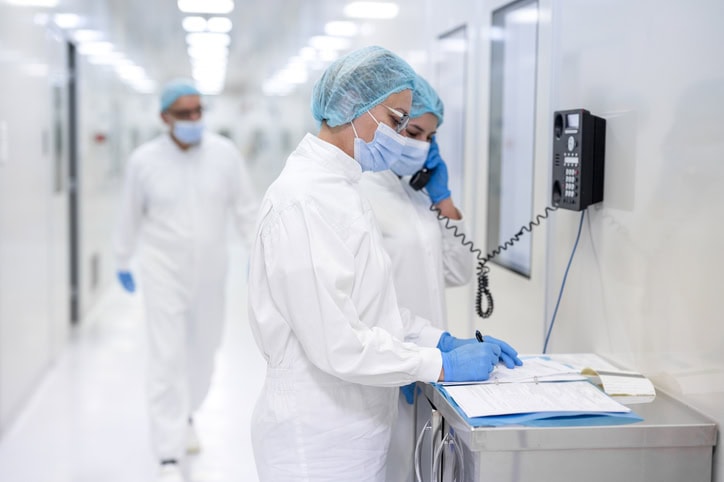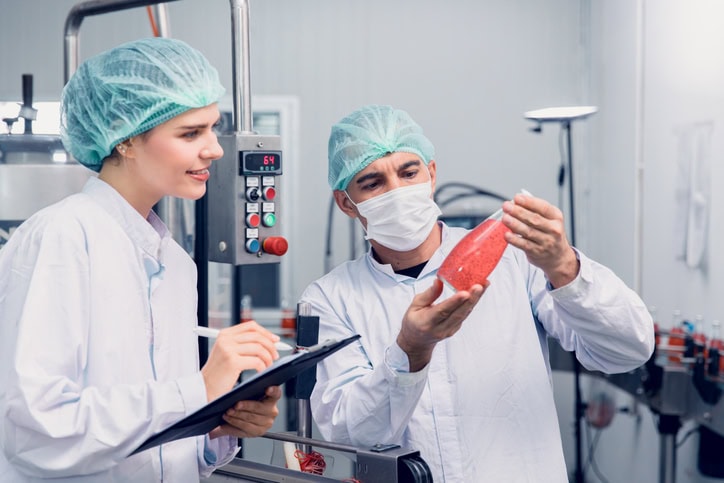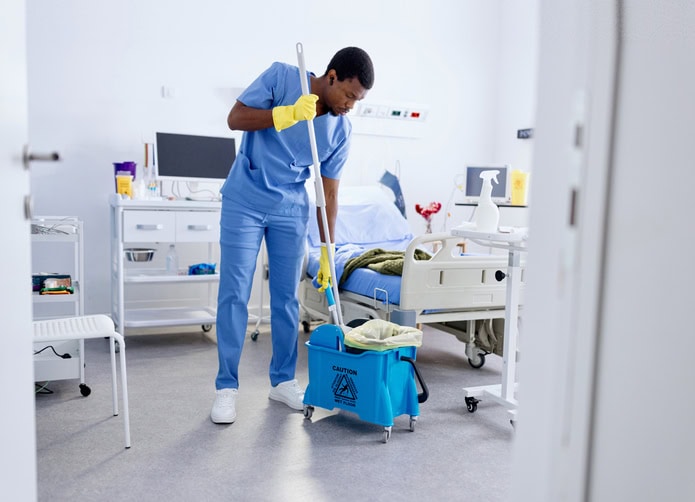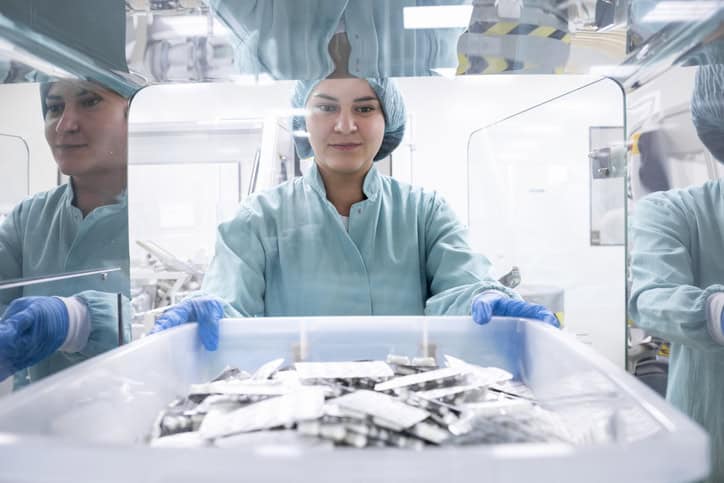

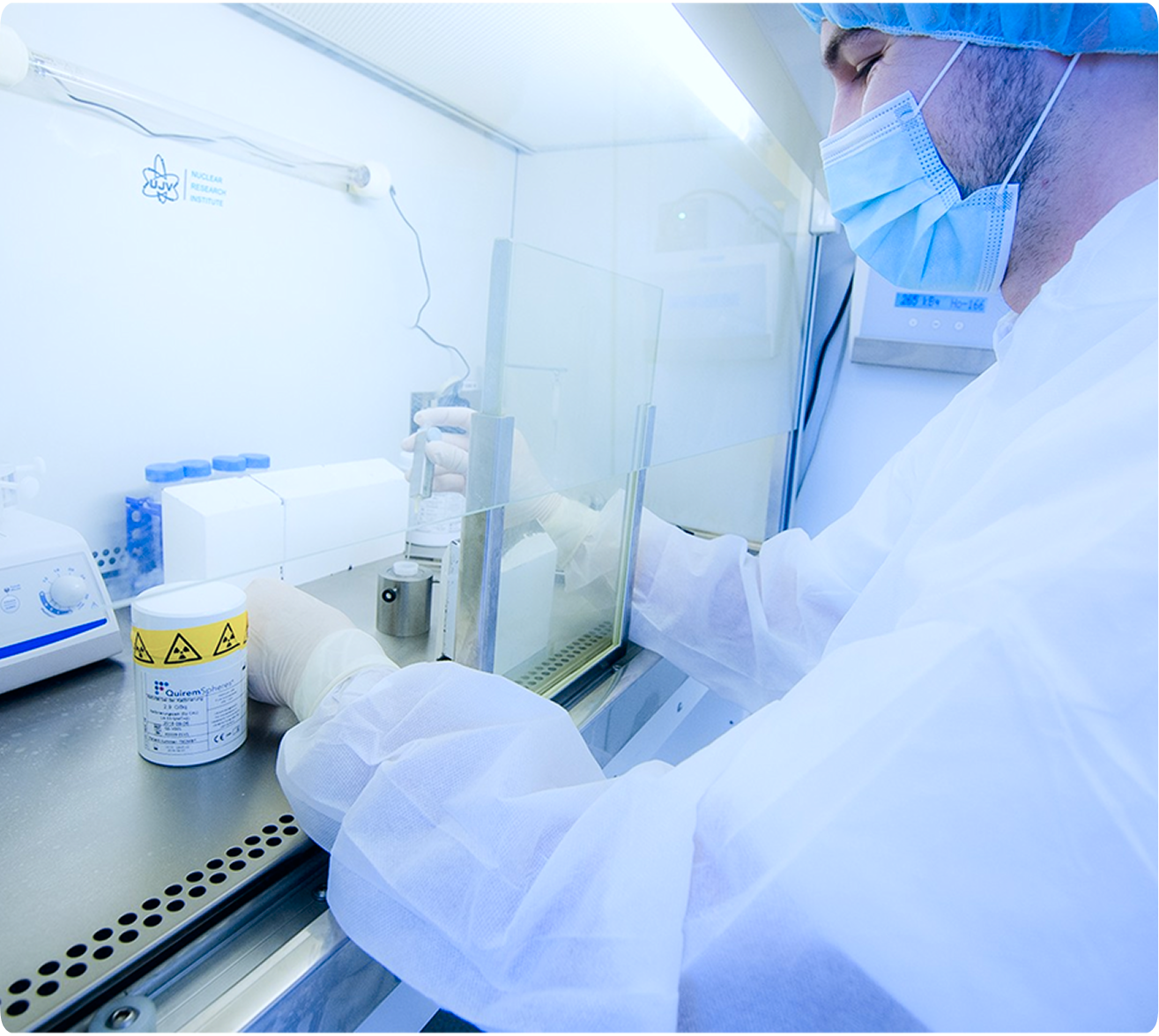
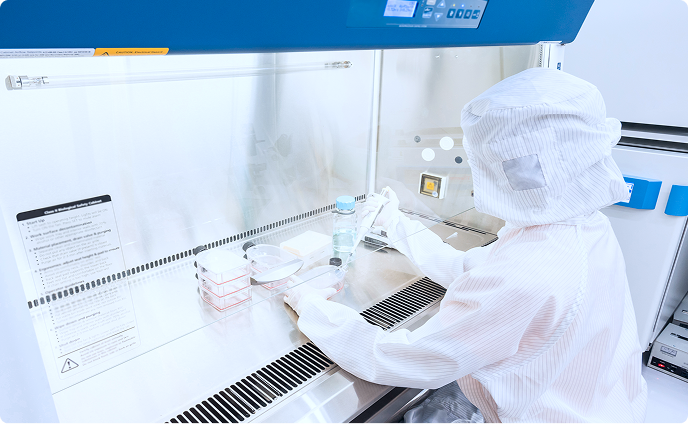




Creating and maintaining a validated cleaning and decontamination cycle is essential for any GMP-regulated cleanroom. Whether you operate a sterile manufacturing suite, biotech lab, radiopharma environment, or ISO-classified production room, regulators expect organizations to demonstrate that their cleaning program is effective, measurable, and repeatable. Validation ensures your disinfectants, tools, techniques, and frequencies all work together to control contamination and protect product quality.
A validated cycle is critical when your environment has unique operations, high-risk processes, or facility-specific contamination patterns. In these cases, a standard cleaning routine may not be enough. A custom decontamination cycle—properly validated—proves to auditors that your approach is scientifically justified and suitable for its intended use.
This guide outlines a practical, step-by-step approach to validating a custom GMP cleanroom cleaning and decontamination cycle that meets regulatory expectations and supports long-term contamination control.
Why Custom Cleaning Cycles Often Require Validation
GMP environments differ widely in layout, airflow, equipment density, microbial burden, and contamination risks. A standard procedure may not address your facility’s specific challenges. Validation ensures your cleaning cycle:
- Removes both viable and non-viable contamination.
- Works consistently across shifts and personnel.
- Supports the cleanroom’s ISO classification.
- Aligns with disinfectant manufacturers’ instructions.
- Stands up to regulatory scrutiny.
- Integrates with your environmental monitoring program.
When regulators evaluate cleaning programs, they ask: How do you know your cleaning process works? A well-designed validation answers that question with data.
Define the Scope of Your Custom Cleaning and Decontamination Cycle
Before validating, clearly define what the cleaning cycle must cover. This includes:
- Room classifications.
- High-risk zones.
- Equipment and fixtures.
- Disinfectants and sporicidal agents.
- Tools and materials.
- Contact times.
- Frequency of cleaning and decontamination.
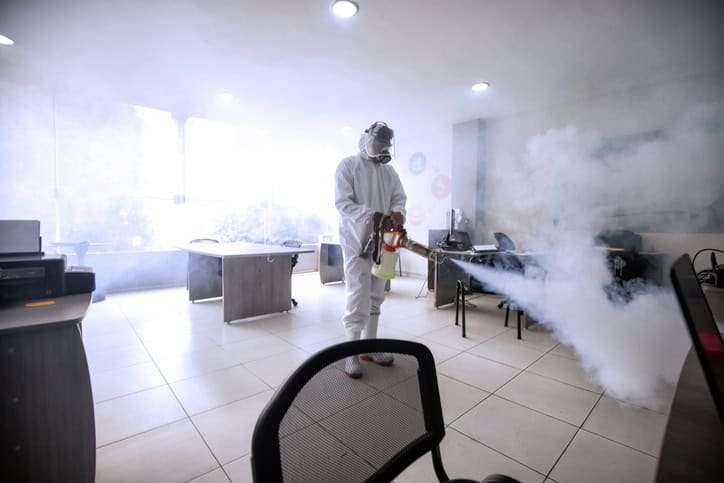
A custom cycle may include both routine cleaning and periodic deep decontamination steps, especially when integrating a cleanroom sterilization protocol such as vaporized hydrogen peroxide or ionized hydrogen peroxide.
Conduct a Risk Assessment to Identify Critical Surfaces
Risk assessments help determine where contamination is most likely to accumulate and where cleaning must be most effective. Consider:
- Traffic flow.
- Operator activity levels.
- Airflow direction and turbulence.
- Equipment heat sources.
- High-touch surfaces.
- Difficult-to-reach areas.
Risk assessments should result in a prioritized list of surfaces for validation, including worst-case points that are likely to challenge the cleaning process.
Select and Justify Your Cleaning Agents
Validation must demonstrate why each cleaning agent is used and how it supports GMP cleanroom cleaning. Selection should be based on:
- Spectrum of activity (bacteria, fungi, spores).
- Compatibility with cleanroom materials.
- Contact time requirements.
- Residue considerations.
- Rotation schedule for disinfectants and sporicides.
The scientific rationale for your disinfectant rotation must be included in validation documents and SOPs.
Develop a Comprehensive Cleaning Procedure for Validation
Your procedure must be detailed, repeatable, and precise enough for any trained operator to execute consistently.
A strong procedure includes:
- Cleaning direction (top-to-bottom, clean-to-dirty).
- Number of passes or wipes per surface.
- Minimum dwell times.
- Wipe and mop replacement intervals.
- Required PPE.
- Sequence of disinfectant and sporicidal application.
- Steps before and after decontamination cycles.
If your program includes a cleanroom sterilization protocol (iHP®, VHP, fogging, etc.), the procedure must detail how the technology integrates with manual cleaning.
Determine Test Methods and Acceptance Criteria
Validation requires objective, measurable evidence that cleaning is effective. This typically includes:
Microbiological Methods
- Contact plates.
- Swab sampling.
- Biological indicators (BIs) for sterilant validation.
- Surface sampling in worst-case areas.
Physical and Visual Methods
- Visual inspection for residues.
- Surface cleanliness verification.
- Equipment housing checks.
Environmental Monitoring Integration
- Data trending.
- Alert and action limit comparisons.
Acceptance criteria must be tied to your environmental classification and historical EM data.
Execute the Validation Protocol
A typical validation includes three successful, repeatable cleaning cycles performed under real operating conditions. Each run must:
- Follow the finalized procedure.
- Use trained operators.
- Include sampling at all defined points.
- Document all materials and disinfectants used.
- Capture deviations or anomalies.
If results vary significantly between operators, steps may need clarification or retraining.
Analyze Results, Trend the Data, and Document Findings
Validation results must be summarized in a final report that includes:
- Microbial and particle data trends.
- Comparison of all results to acceptance criteria.
- Investigation of any deviations.
- Confirmation that the cleaning process is repeatable.
- Identified opportunities for improvement.
This documentation will be requested during regulatory inspections.
Integrate the Validated Cycle into SOPs and Training
Once validated, the cycle must be implemented into:
- Cleaning SOPs.
- Decontamination SOPs.
- Training programs.
- Frequency tables.
- Gowning and tool-handling procedures.
Operators must be trained and qualified on the new SOPs before full adoption.
Schedule Periodic Revalidation
Cleaning validation is not a one-time activity. Revalidation is required when:
- Layout changes.
- Disinfectants or tools change.
- HVAC modifications occur.
- Environmental monitoring trends shift.
- A new cleanroom sterilization protocol is introduced.
Revalidation ensures long-term control and continued effectiveness.
Validation Strengthens Cleaning Programs and Compliance
Custom cleaning and decontamination cycles offer flexibility and precision, but they must be scientifically validated to meet GMP expectations. Proper validation provides documented evidence that your GMP cleanroom cleaning process is effective, consistent, and defensible in regulatory audits. It also ensures your approach to decontamination—including any cleanroom sterilization protocol—supports contamination control and protects product quality.
If your facility needs support developing or validating a custom cleaning cycle, our specialists can help. Contact us to learn how to improve your program, strengthen compliance, and maintain reliable cleanroom control.