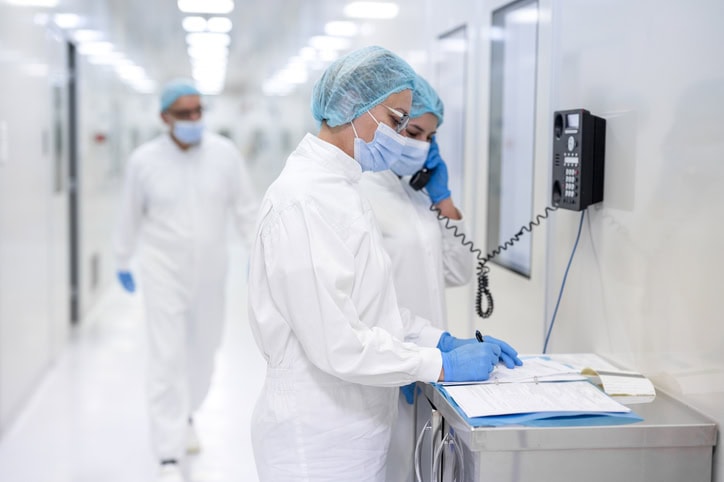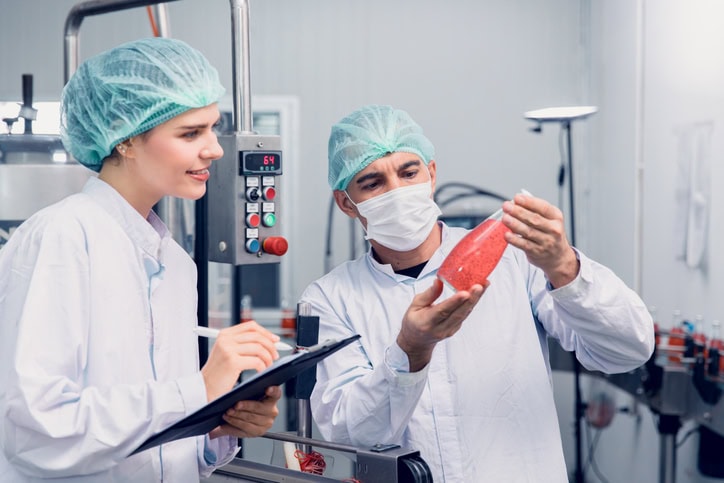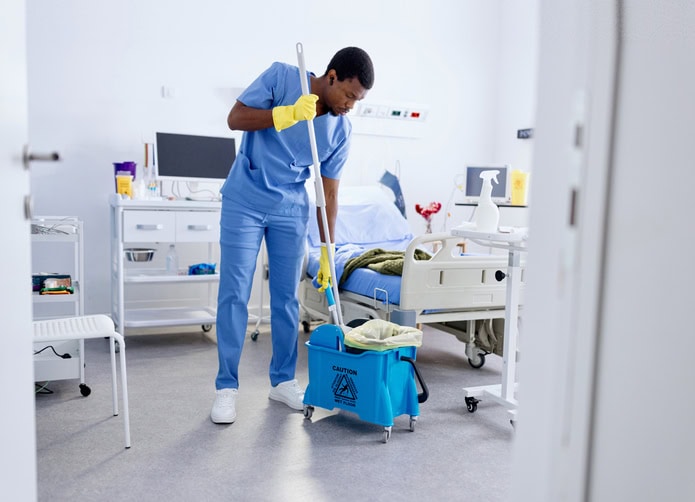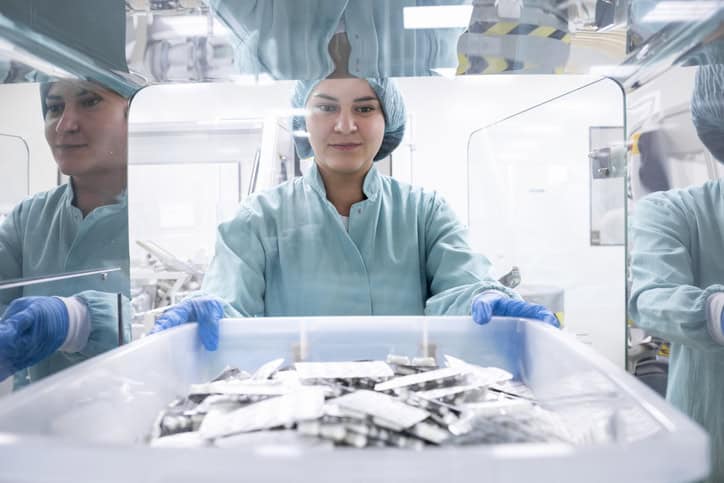



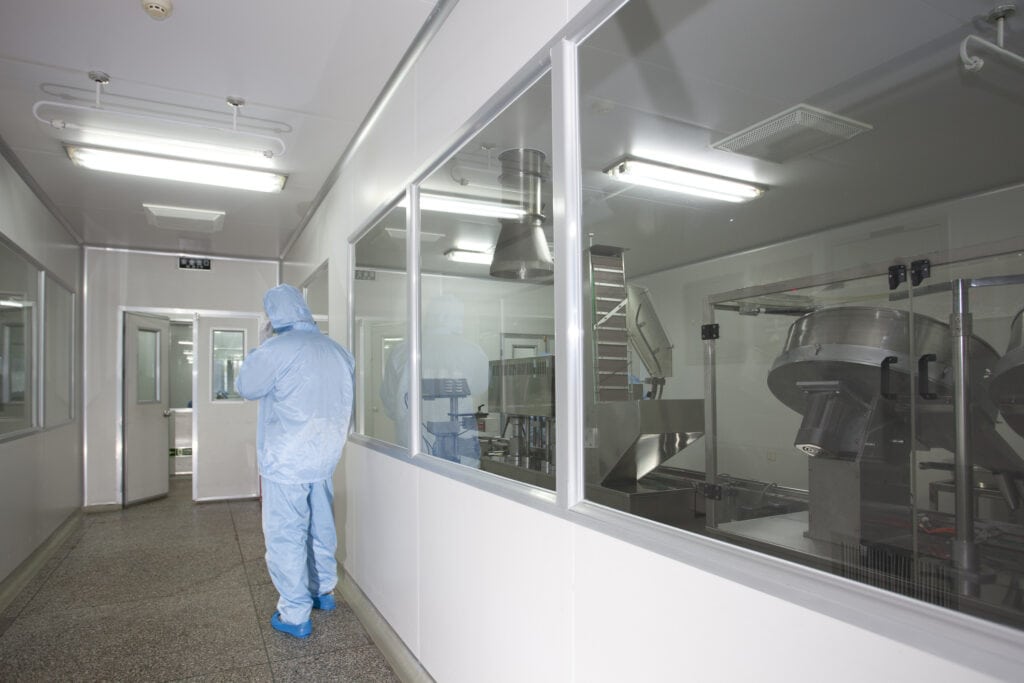
Meeting GMP clean room guidelines is not just about maintaining cleanliness. It is about demonstrating control, documentation, training, and validated processes that withstand regulatory scrutiny. Whether your next inspection is from the FDA, Health Canada, an EU authority, or a customer audit, your ability to operate in a compliant, traceable, and well-documented manner determines audit success.
Cleanrooms that look clean can still fail audits if SOPs are inconsistent, disinfectant strategies lack justification, or documentation is incomplete. This is why compliance is a daily commitment, not an event driven by the inspection calendar. With a clear understanding of GMP clean room guidelines and the right systems in place, facilities can build strong operational habits that support audit success year-round.
Understanding What GMP Clean Room Guidelines Require
To meet GMP clean room guidelines, a facility must demonstrate control across four core areas: cleaning procedures, environmental monitoring, personnel practices, and documentation. Regulators expect every step to be risk-based, scientifically justified, and supported by defensible evidence.
Core Regulatory Expectations
- Cleanrooms must be classified, qualified, and routinely monitored according to ISO 14644 and GMP Grade requirements.
- SOPs must describe consistent, repeatable cleaning steps tied to classification and risk.
- Disinfectants must have validated efficacy and scientifically justified rotation.
- Personnel must be trained, qualified, and periodically reassessed.
- Documentation must comply with ALCOA+ principles.
- Deviations must be documented and linked to CAPA.
These expectations apply across industries, including pharma, biotech, radiopharmaceuticals, compounding, and medical device manufacturing.
Cleaning: The Foundation of Audit-Ready GMP Compliance
Cleaning programs are often the first focus of auditors, especially during FDA audit cleaning inspections. Auditors expect a controlled system that consistently reduces contamination and aligns with the cleanroom’s function.
What Auditors Evaluate in Cleaning Programs
- Whether SOPs describe detailed, step-by-step workflows.
- How frequencies are aligned to risk and classification.
- Rationale for disinfectant rotation.
- How contact times are defined and documented.
- Whether operators follow the written procedure.
- How cleaning records are completed, reviewed, and archived
When these elements are strong and consistent, audit outcomes are significantly improved.
Common Cleaning-Related Audit Findings
- Missing or incomplete documentation.
- Incorrect or outdated SOP versions.
- Unverified disinfectant contact times.
- Inadequate training or inconsistent technique.
- Lack of visual aids or insufficient clarity in procedures.
Many of these issues stem from procedural drift, not poor intention, which is why routine internal checks are essential for compliance readiness.
Validation: Demonstrating That Cleaning Works as Written
Cleaning validation proves that your SOPs reduce contamination to acceptable levels in real-world operating conditions. Regulators expect validated cleaning procedures in most GMP-regulated environments, particularly where contamination risk is high.
What Cleaning Validation Must Demonstrate
- That disinfectants are effective at your chosen contact time.
- That cleaning steps, motions, and sequences consistently meet acceptance criteria.
- That worst-case locations are effectively cleaned.
- That operators can execute the method consistently.
- That the process is repeatable across cycles.
Validation activities must be stored in an easily retrievable format to support both internal QA review and external audits.
Documentation: The Most Visible Evidence During an Audit
No matter how strong your procedures are, documentation is what inspectors evaluate. Audit success depends heavily on whether your data is complete, accurate, and contemporaneous.
Elements of Audit-Ready Documentation
- Cleaning logs filled out in real time.
- Documented disinfectant lot numbers and expiry dates.
- Revision control and SOP change history.
- Training records linked to every operator listed on cleaning logs.
- Deviation forms, CAPA records, and investigations.
- Environmental monitoring data that correlates with cleaning performance.
Documentation is the backbone of compliance readiness, and inconsistent records are one of the most common causes of audit failures.
Personnel: The Human Element Behind Cleanroom Compliance
Because personnel are the largest source of contamination in any cleanroom, training and qualification are essential to meeting GMP cleanroom guidelines. Inspectors routinely ask operators to describe or demonstrate how cleaning is performed.
What Inspectors Expect From Personnel
- Knowledge of the SOP relevant to their role.
- Consistent execution of cleaning steps.
- Proper gowning technique.
- Awareness of contamination risks.
- Understanding of disinfectant rotation and usage.
Training programs should combine theory, hands-on practice, competency evaluation, and periodic reassessment. Any major deviation, documentation error, or SOP change should prompt immediate retraining.
Environmental Monitoring: Making Sure Cleaning Is Working
Environmental monitoring (EM) provides the data needed to verify that cleaning programs are performing as expected.
How EM Supports Audit Readiness
- Detects microbial or particulate trends.
- Identifies areas needing enhanced cleaning.
- Validates disinfectant rotation and frequency.
- Supports investigations and CAPA.
- Demonstrates ongoing control to auditors.
Inspectors frequently ask for EM trending charts, so maintaining easy retrieval and clear reporting is critical for audit support.
Practical Steps to Strengthen Audit Readiness
Meeting GMP clean room guidelines requires continuous oversight, not last-minute preparation. Facilities can reinforce readiness using the following practices.
Steps for Continuous Compliance Readiness
- Conduct periodic internal audits.
- Perform spot checks on cleaning logs.
- Compare EM trends to cleaning performance.
- Verify SOP versioning and consistency.
- Ensure disinfectant rotation schedules are up to date.
- Confirm personnel are trained and listed in training records.
- Review validation data annually or after significant changes.
These actions help identify issues long before regulators do.
Cleanroom Compliance Is Built Daily, Not Just Before an Audit
Meeting GMP clean room guidelines requires more than visual cleanliness. It requires documented control, validated procedures, trained personnel, and crisp execution that withstands regulatory scrutiny. Facilities that maintain structured cleaning programs, strong validation data, and consistent documentation enter audits with confidence and clarity.
If your team needs help preparing for upcoming inspections—whether for FDA audit cleaning, Annex 1 compliance, or client qualification—we can support every step.
For guidance, assessments, or hands-on audit support, contact our team to strengthen your compliance readiness and protect your operation.