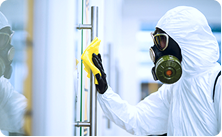
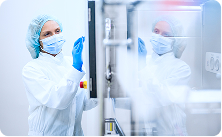
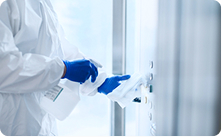


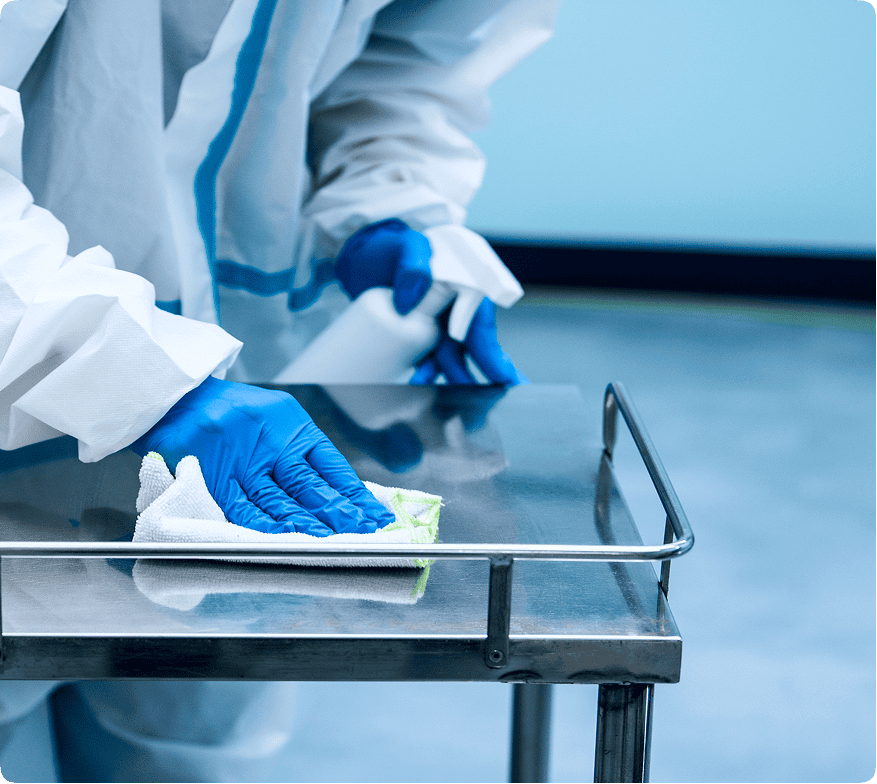
Contamination events in cleanrooms are high-risk situations that demand immediate, precise action. Whether due to microbial contamination, construction intrusion, equipment failure, exposure to raw materials, or unexpected environmental drift, cleanrooms must be returned to a controlled state quickly and safely. This is where specialized cleanroom decontamination solutions play a crucial role.
Emergency cleaning in GMP and ISO-classified environments differs from routine cleaning. It requires rapid response, trained technicians, controlled workflows, and methods designed to prevent the spread of contaminants. Choosing the right provider helps ensure facilities can recover efficiently, protect their environment, and resume operations with minimized downtime.
This article outlines the key criteria to evaluate when selecting emergency decontamination providers.
Why Emergency Decontamination Requires Specialized Expertise
Emergency situations often include:
- Elevated microbial counts.
- Visible contamination or spills.
- Equipment-related contamination dispersion.
- Cross-contamination between rooms.
- HVAC failures or pressure cascade disruptions.
- Contamination after contractor access.
- Shutdown events are in need of reset and cleaning.
In these situations, speed matters — but precision matters more. Effective cleanroom decontamination solutions must stabilize the environment quickly without compromising GMP controls, documentation, or long-term environmental performance.
Cleanroom-Specific Training and Experience
Emergency decontamination is far different from commercial disinfection. A qualified provider should have:
- Teams trained specifically in GMP cleanrooms.
- Experience with ISO-classified environments.
- Understanding of airflow patterns, contamination vectors, and high-risk surfaces.
- Familiarity with controlled-environment cleaning tools and disinfectants.
Providers without cleanroom expertise risk spreading contamination instead of eliminating it.
Rapid Response Capability
Proper emergency support requires the ability to mobilize quickly. Look for providers who can offer:
- Fast onsite availability.
- Flexible scheduling across shifts.
- The ability to scale teams for large-room resets.
- Readiness for multi-stage cleaning, from initial containment to final disinfection.
Emergency situations often evolve. A strong provider adapts in real time.
Validated Cleaning and Disinfection Methods
For compliance and audit protection, emergency cleaning must be performed in accordance with validated methods. This includes:
- Defined top-to-bottom, clean-to-dirty sequencing.
- Proven contamination-containment techniques.
- Validated disinfectants and sporicidal agents.
- Documented contact times.
- Controlled use of HEPA vacuums and cleanroom-approved tools.
Using unvalidated methods can jeopardize qualification or environmental monitoring performance.
Ability to Support Environmental Stabilization
After a contamination event, the cleanroom must be brought back to a stable, predictable operating state. Effective providers understand how to work around:
- Pressure cascade shifts.
- Airflow disruptions.
- Equipment staging.
- Room pressurization during recovery.
Their role is to clean and disinfect in a way that supports environmental recovery before monitoring resumes. This is especially important for emergency resets prior to EMPQ or requalification.
Documentation That Supports GMP Expectations
Emergency events require traceability, and inspectors will want to see evidence of how the cleanroom was returned to a controlled state. Providers offering strong facility disinfection support should provide:
- Cleaning logs.
- Disinfectant preparation records.
- Traceability for tools and materials.
- Details of contaminated areas addressed.
- Notes on deviations or unusual findings.
- Clear documentation of each cleaning stage.
Strong documentation protects the facility during future audits.
Familiarity With Organism-Specific and Incident-Specific Cleaning
Not every emergency is the same. Effective cleanroom decontamination solutions understand how to adapt cleaning approaches based on:
- The contaminant type (bacterial, fungal, chemical residue).
- Affected room classifications.
- The severity and spread of contamination.
- The facility’s larger contamination-control strategy.
This adaptability ensures the right chemistry and sequence are used for each scenario.
Multi-Stage Cleaning Flexibility
Emergency decontamination is often a phased process. Providers must be able to support:
- Initial containment cleaning.
- Deep cleaning and disinfection.
- Sporicidal application if required.
- Intermediate cleaning during repairs or HVAC stabilization.
- Final readiness cleaning before operations resume.
Facilities benefit most from providers who can support every phase through to complete stability.
Coordination With Facility and QA Teams
An effective emergency response depends on clear communication among cleaning teams, QA, and Facilities. A strong provider works with internal teams to identify affected areas, sequence cleaning around facility activities, communicate findings throughout the process, and ensure the space is prepared for safe re-entry. This alignment helps prevent repeat contamination and supports a smooth return to stable operations.
- Confirming affected zones.
- Sequencing cleaning around ongoing facility activities.
- Communicating findings during the cleaning process.
- Ensuring timing aligns with operational recovery.
- Preparing documentation needed for review.
Good communication helps prevent repeat contamination and speeds up recovery.
The Right Partner Protects Your Cleanroom During High-Risk Events
Emergency contamination events require precision, speed, and specialized cleanroom knowledge. A strong provider offers validated cleanroom decontamination solutions, multi-stage cleaning capabilities, reliable documentation, and flexible facility disinfection support to help restore controlled environments quickly and safely.
If your facility needs specialized support to recover from contamination incidents or to prepare cleanrooms for safe re-entry, VibraClean’s team can help. Contact us for more information.