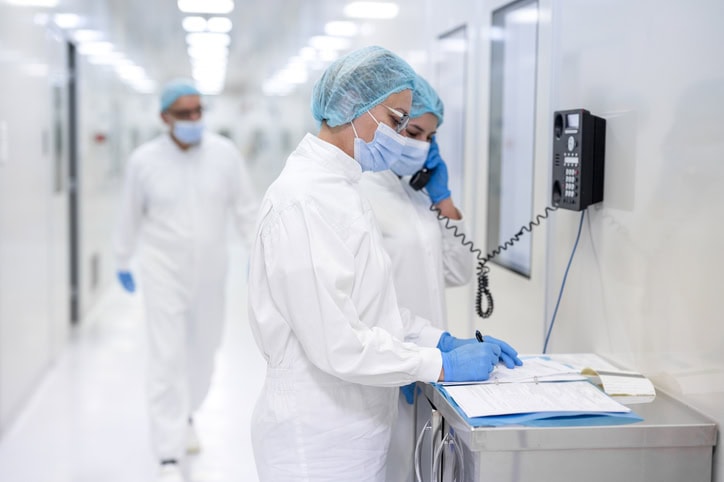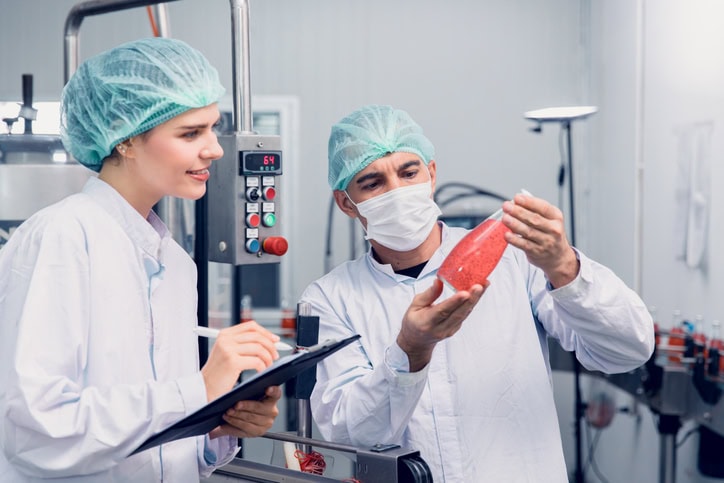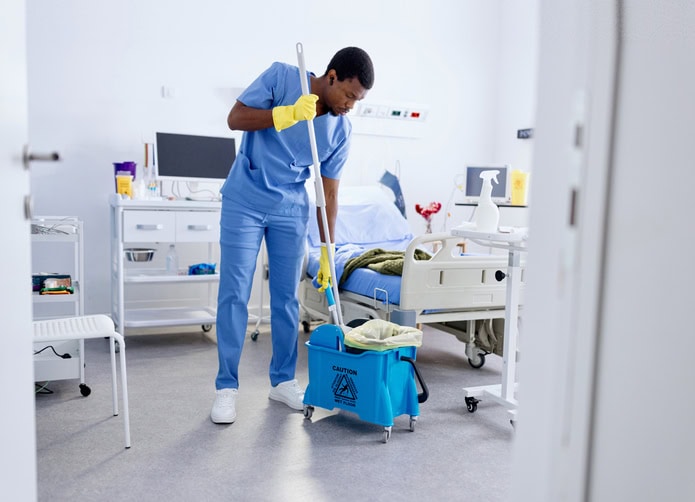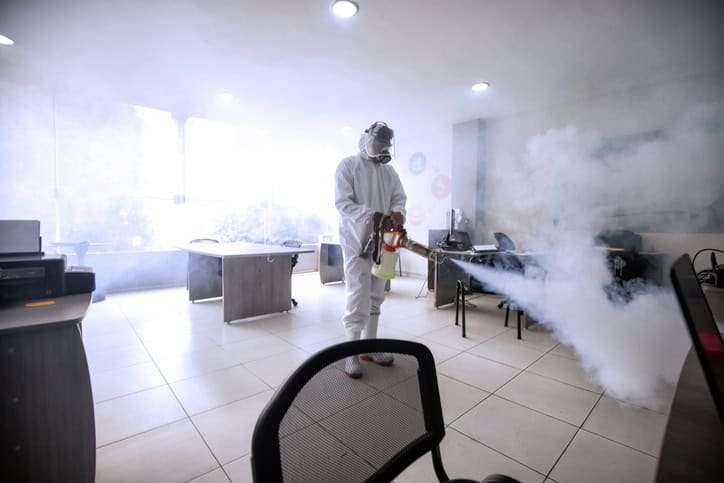
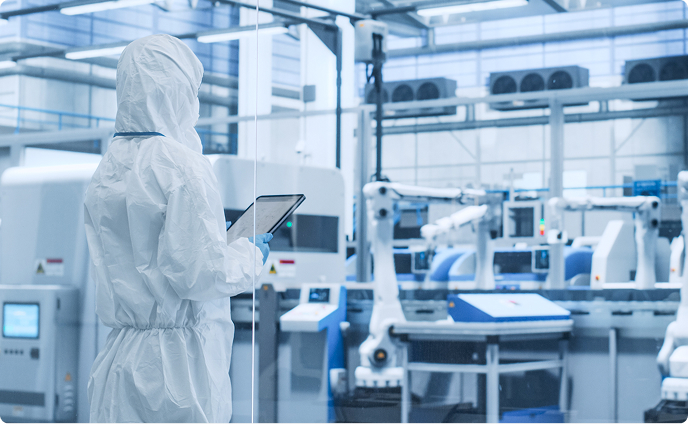
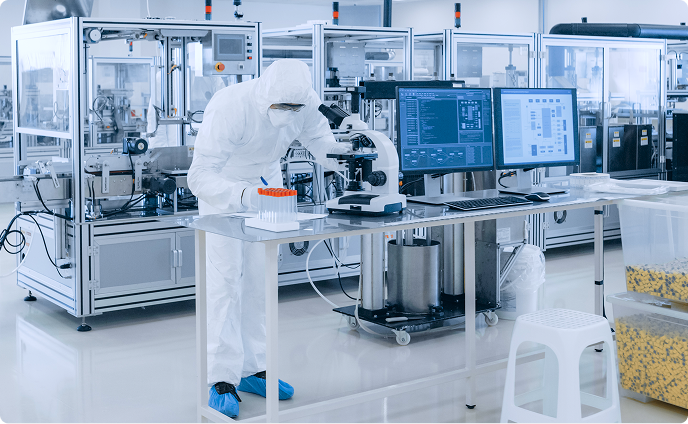

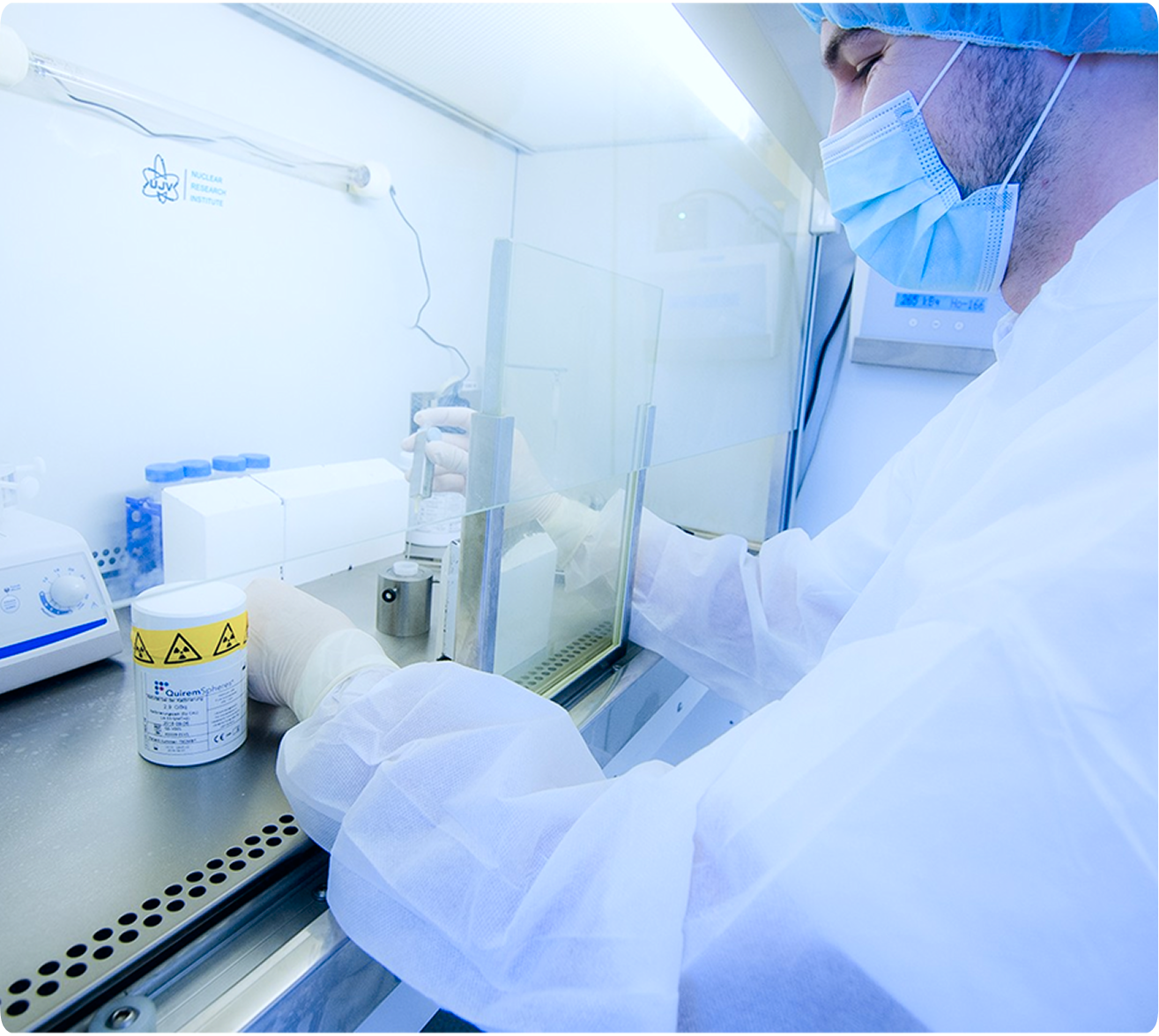
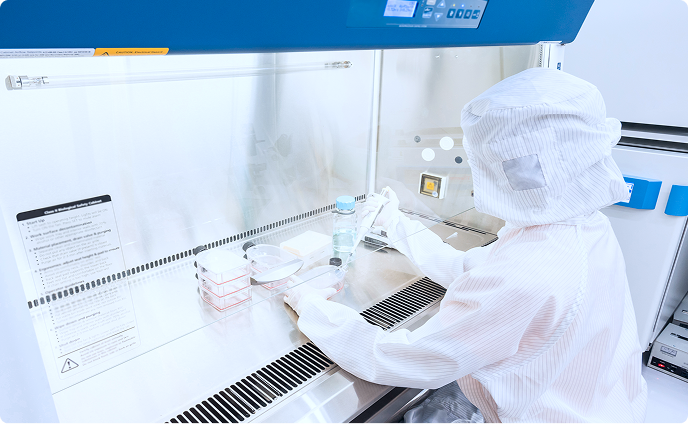
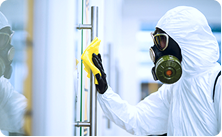



Cleanrooms demand precision, consistency, and a deep understanding of contamination control. As facilities grow more complex and regulatory oversight increases, many organizations face the question of in-house vs. contracted GMP cleaning. Should the cleaning and disinfection of controlled environments be handled by employees — or by specialized clean room providers who focus solely on GMP cleaning and decontamination?
While internal teams may understand the facility’s workflow, specialized providers bring validated processes, contamination-control expertise, and documentation frameworks explicitly built for regulated environments. Understanding the differences helps facilities choose the right model for their operational and compliance needs.
Why GMP Cleaning Is More Than “Just Cleaning”
Unlike traditional janitorial work, GMP cleaning requires:
- Validated techniques.
- Disinfectant rotation schedules.
- Precise contact times.
- Standardized wipe-down methods.
- Controlled movement patterns.
- Documentation that supports audits.
- Alignment with contamination-control strategy.
- Compatibility with ISO classification requirements.
This level of precision can strain internal teams who are balancing multiple responsibilities or lack deep training in cleanroom-specific procedures. This is where specialized clean room providers play an essential role.
Strengths of an Internal Cleaning Team
Internal teams can provide value in facilities that want close operational control. Advantages include:
- Immediate availability for small tasks or urgent needs.
- Familiarity with daily workflows and production schedules.
- Reduced onboarding time if turnover is low.
- Direct alignment with internal culture, training, and expectations.
For some organizations — especially those with small or less complex cleanrooms — in-house teams may be sufficient.
However, internal teams face limitations when it comes to meeting the rigorous standards for in-house vs. contracted GMP cleaning decisions.
Limitations of Internal Teams
Internal teams can be challenged by:
- High turnover leading to inconsistent cleaning performance.
- Limited training time for GMP-specific cleaning.
- Competing responsibilities outside cleaning tasks.
- Difficulty maintaining validated cleaning consistency.
- Lack of specialized tools or contamination-control equipment.
- Challenges in documenting cleaning to audit-ready standards.
- Limited experience responding to contamination incidents or EM excursions.
These gaps can lead to particle spikes, microbial findings, or audit observations that could have been prevented with specialized support.
Strengths of Specialized Cleanroom Providers
Professional clean room providers deliver cleaning programs designed specifically for controlled environments and GMP expectations. Key advantages include:
- Validated SOP-driven cleaning methods.
- Trained technicians experienced with ISO-classified spaces.
- Organism-aware disinfectant selection.
- Correct wipe-down patterns and directional cleaning sequence.
- Documentation that supports audit readiness.
- Consistent performance across rooms, shifts, and facilities.
- Ability to scale cleaning needs as operations expand.
- Integration with contamination-control strategies.
- Availability for deep cleaning, shutdowns, and decontamination cycles.
Cleanroom providers are built around reliability, consistency, and documented compliance — all essential for regulated operations.
The Role of Documentation and Validation
One of the most significant differences when considering in-house vs. contracted GMP cleaning is documentation quality.
Internal teams may struggle with:
- Maintaining complete logs.
- Tracking disinfectant lot numbers.
- Documenting contact times.
- Recording every cleaning cycle.
- Preparing records for inspection.
Specialized providers deliver:
- Audit-ready cleaning logs.
- Validated processes with defined sequences.
- Traceability for tools and disinfectants.
- Clear documentation supporting ISO classification.
- Standardized forms for regulatory review.
This documentation supports EM investigations, trending, and audit defense — areas where internal teams often lack structure.
When Cleanroom Providers Add the Most Value
Specialized providers deliver significant value in:
- Startup, commissioning, and EMPQ preparation.
- Multi-room, multi-shift operations.
- Sterile or high-risk manufacturing environments.
- Facilities with complex disinfectant programs.
- Operations experiencing frequent EM excursions.
- Contamination-response or post-event cleaning.
- Shared suites or multi-modal environments.
- Environments where cleaning consistency has drifted over time.
Cleanroom providers ensure consistency and compliance even when facility operations evolve or production demands increase.
Cost Considerations: Direct vs. Indirect Impact
On paper, internal teams may appear more cost-effective. But indirect costs often shift the equation.
Internal teams may incur cost through:
- Retraining due to turnover.
- Repeat cleaning because of missed areas.
- EM failures are tied to inconsistent cleaning.
- Audit observations related to poor documentation.
- Downtime during contamination response.
- Inefficiency when team members split responsibilities.
Specialized providers offer predictable, consistent cost structures tailored to the facility’s needs, reducing the risk of costly remediation or downtime.
How to Evaluate the Right Model for Your Facility
A good evaluation includes:
- Complexity of the cleanroom classification.
- Demands on documentation and traceability.
- Internal staffing stability.
- Risk of contamination or product impact.
- Volume and frequency of cleaning required.
- Need for specialized decontamination or shutdown resets.
- Regulatory expectations for the operation.
Many facilities adopt a hybrid approach—leveraging internal staff for basic day-to-day tasks and clean room providers for validated cleaning, decontamination, EMPQ support, and documentation-heavy processes.
Choosing the Right Partner Protects Your Facility
The difference between internal teams and specialized cleanroom providers comes down to expertise, consistency, documentation, and rigor in contamination control. While in-house teams may know the facility best, specialized providers deliver the validated cleaning, repeatability, and operational stability that controlled environments depend on.
If your facility needs support maintaining consistent, audit-aligned cleaning or strengthening contamination-control practices, VibraClean’s team can help. Contact us for more information.