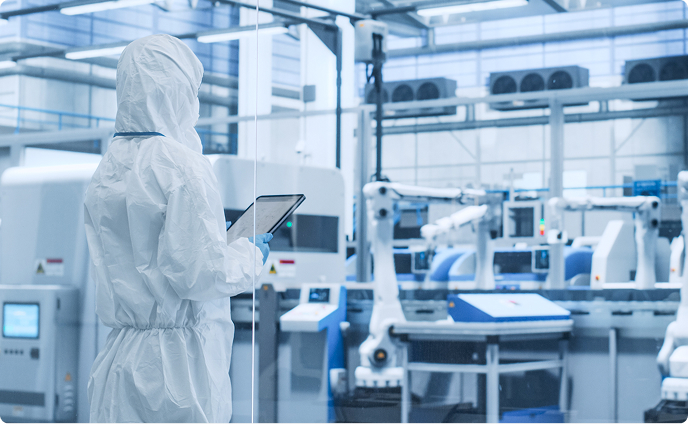
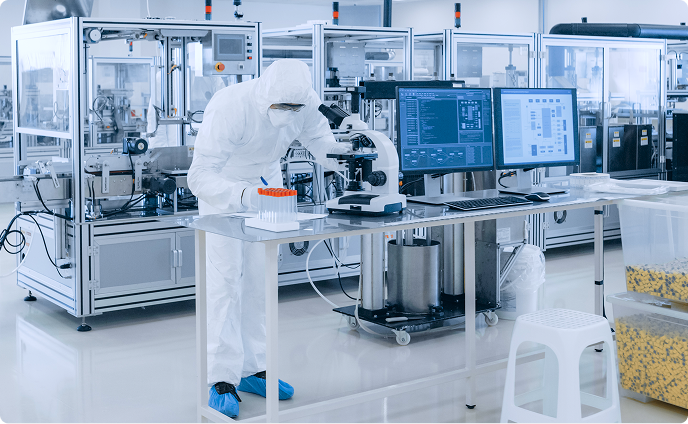
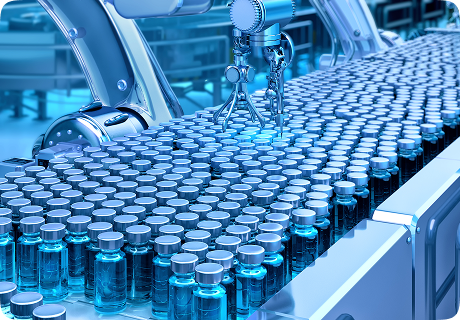




Cleanrooms are designed to protect the manufacturing environments for pharmaceutical, biotech, radiopharmaceutical, and medical devices from harmful particles and microorganisms. But even with strong engineering controls and validated cleaning programs, contamination still finds its way into controlled spaces. Having a contamination control plan and understanding the most common cleanroom contamination sources is essential for preventing deviations, maintaining batch integrity, and staying compliant with GMP expectations.
Contamination rarely comes from a single cause. Instead, it emerges from multiple interactions between people, equipment, materials, and the environment. When these risks are understood and controlled, cleanrooms operate more smoothly, environmental monitoring trends stabilize, and audit findings decrease significantly.
Below are the most common cleanroom contamination sources and how each affects product quality, patient safety, and operational consistency.
Personnel: The Largest Contributor to Cleanroom Contamination
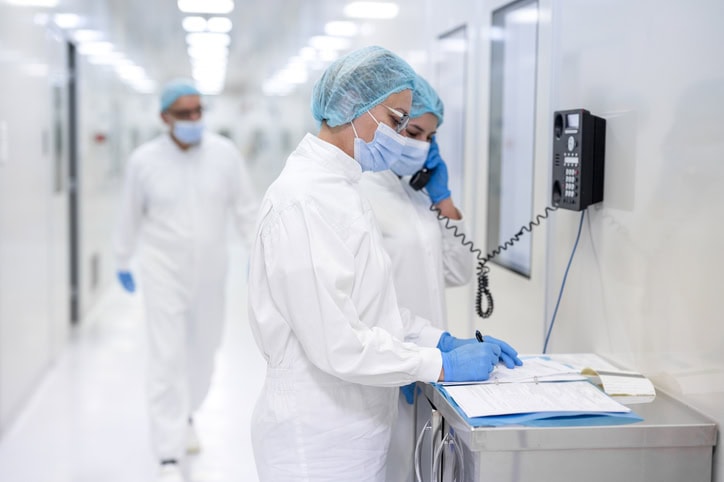
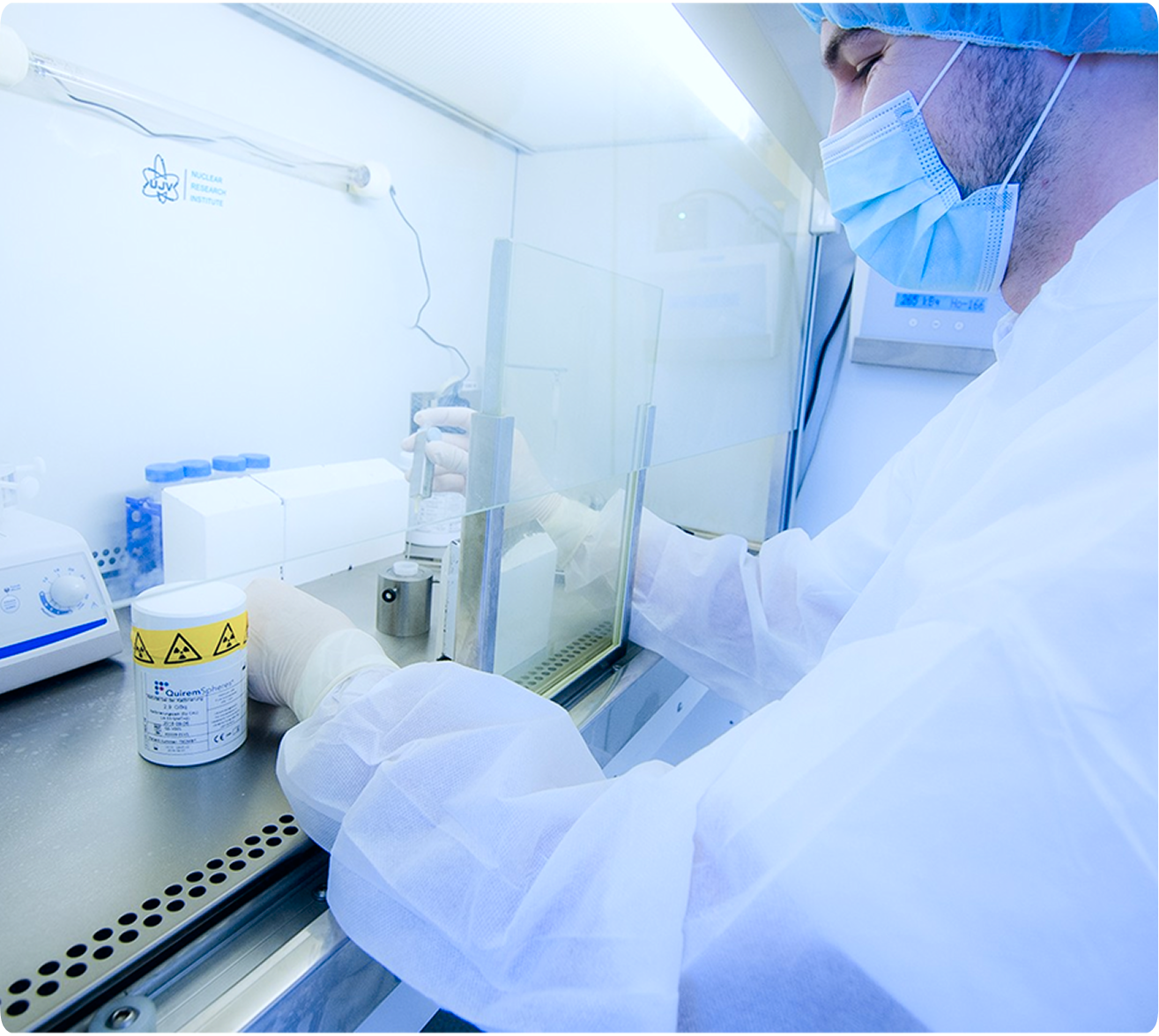
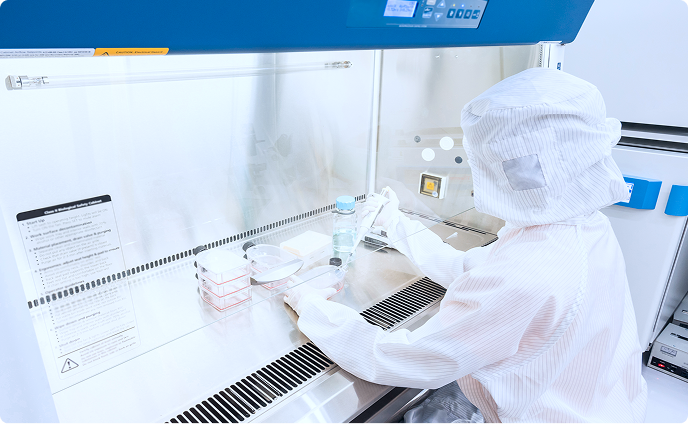
No matter how advanced a cleanroom’s design is, human operators remain the biggest contamination risk. Studies consistently show that personnel contribute up to 80 percent of cleanroom particulates.
Key contamination drivers include:
- Skin flakes and hair shedding.
- Respiratory droplets from talking or breathing.
- Incorrect gowning or damaged garments.
- Rapid, high-motion movements.
- Touching surfaces unnecessarily.
- Poor adherence to aseptic technique.
These behaviors create measurable particle contamination risks, especially in ISO Class 5 and 7 environments where strict limits apply. Proper gowning, retraining, and ongoing behavioral audits help reduce this unavoidable contamination pathway.
Materials and Components Entering the Cleanroom
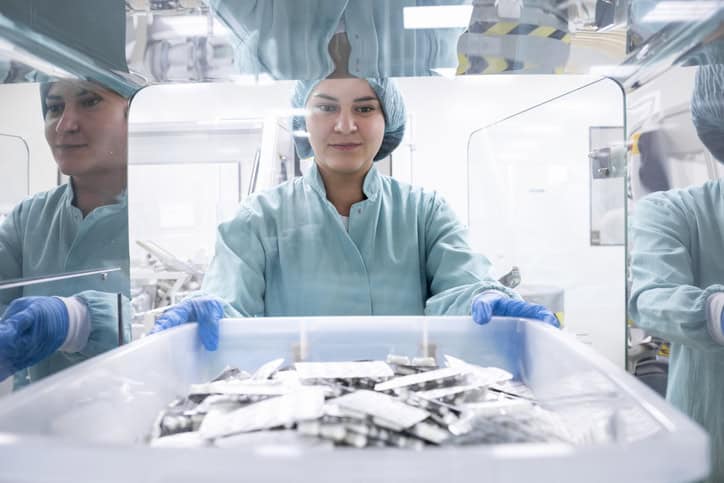
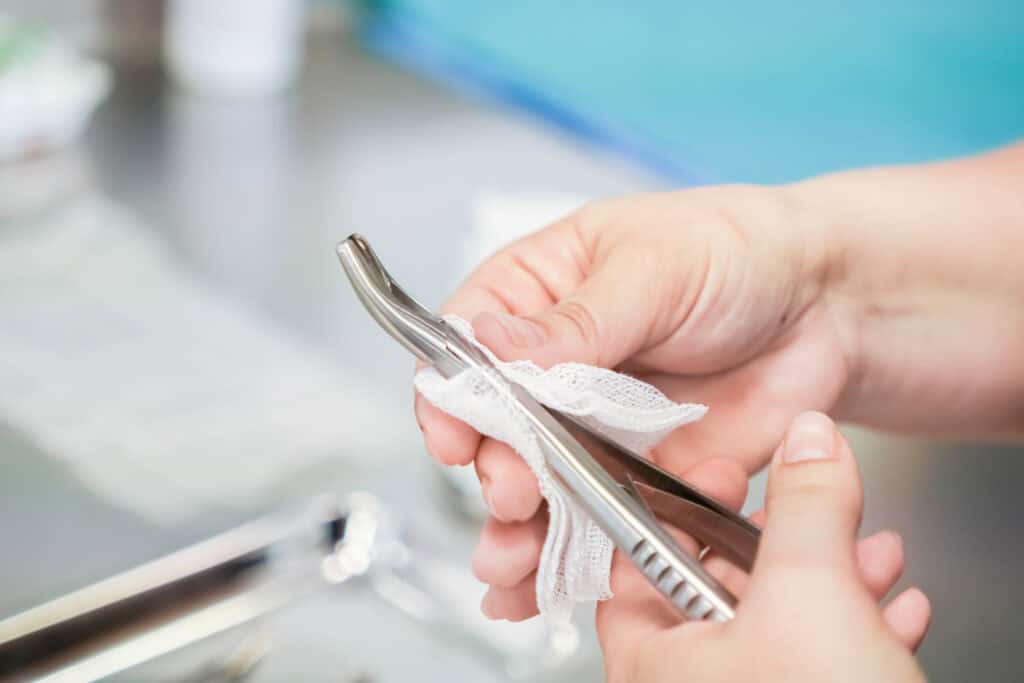
Every item brought into a cleanroom—tools, raw materials, containers, stoppers, cleaning supplies—carries contaminants. Even items cleaned and bagged in advance accumulate particles during storage or transit.
Common issues include:
- Insufficient wipe-down procedures.
- Damaged packaging that sheds particles.
- Bringing cardboard into controlled areas.
- Using non-cleanroom-grade tools.
- Overloading airlocks or pass-throughs.
Material transfer protocols must be well-documented and consistently executed to reduce these sources of cleanroom contamination.
Equipment and Tools
Production equipment, cleaning tools, and even monitoring instruments can introduce contaminants.
Common causes include:
- Equipment wear generates particles.
- Lubricants or residues from maintenance.
- Inadequate equipment cleaning or validation.
- Worn mop heads, wipes, or brushes.
- Dirty carts or improperly sanitized tools.
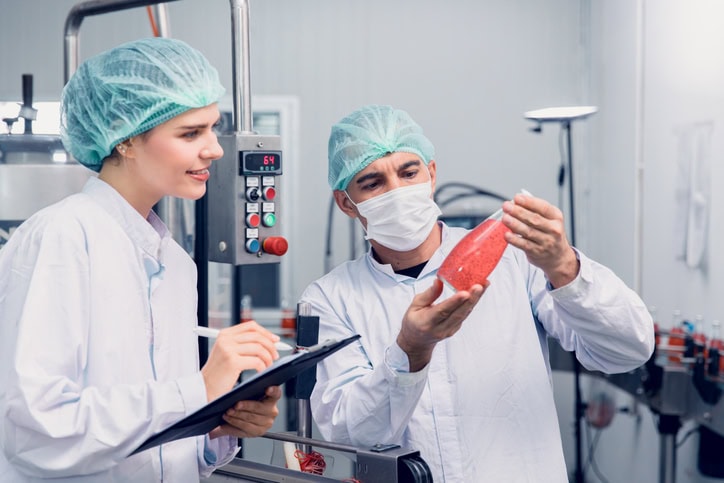
High-use equipment—mixers, isolators, laminar flow hoods, and filling lines—must undergo scheduled cleaning, disinfection, and preventive maintenance to minimize contamination.
Air Handling Systems and Airflow Disturbances
Air handling units (AHUs), HEPA filters, and ventilation systems are critical defenses against contamination—but they can also contribute to contamination if not maintained or monitored properly.
Potential contamination sources include:
- Damaged or aging HEPA filters.
- Poor airflow balance or turbulence.
- Pressure differentials are not maintained.
- Construction dust entering shared duct systems.
- Unfiltered air bypassing seals.
- Excessive door openings create airflow reversal.
These issues significantly increase the risk of particle contamination, especially in aseptic processing areas. Routine HEPA leak testing, airflow visualization, and HVAC monitoring are essential in high-risk zones.
Surfaces, Walls, Floors, and Ceilings
Cleanroom surfaces accumulate viable and non-viable particles over time. Even high-quality construction materials can harbor contaminants if not maintained.
Common issues include:
- Surface deterioration or cracked seals.
- Improper cleaning technique.
- Stained or residue-covered floors.
- Gaps around fixtures.
- Dust accumulation on ceiling panels or vents.
These contamination points are often detected in environmental monitoring trends and should prompt adjustments to cleaning frequency or technique.
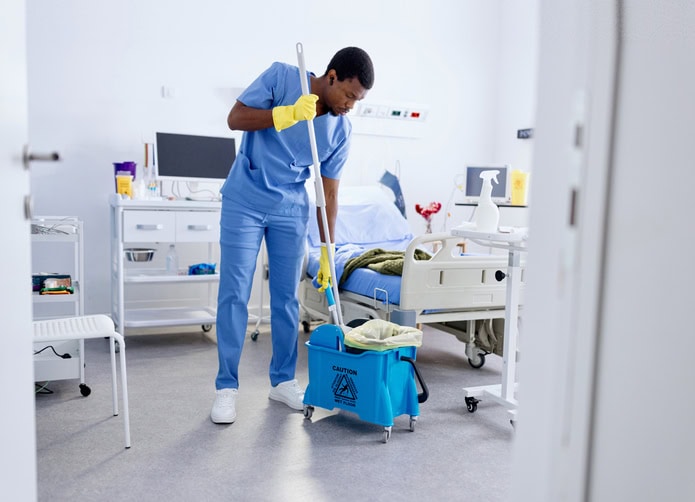
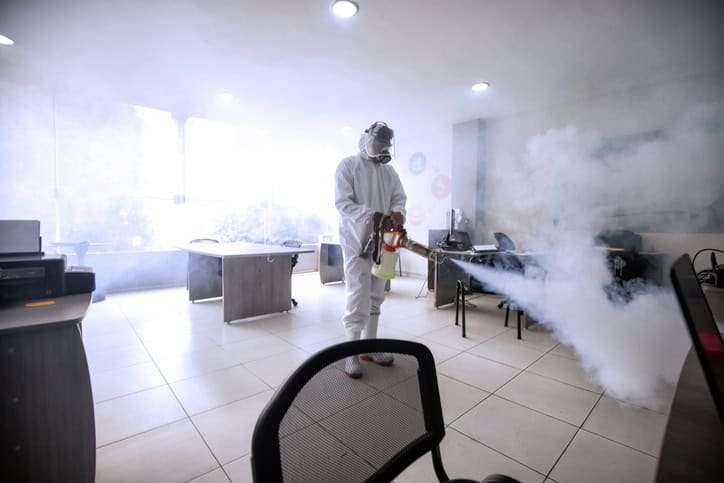
Poor Cleaning and Disinfection Practices
Inadequate cleaning is one of the most preventable cleanroom contamination sources.
Frequent causes include:
- Incorrect disinfectant use.
- Insufficient contact time.
- Unvalidated cleaning procedures.
- Use of expired or incorrectly diluted solutions.
- Using a single disinfectant without rotation.
- Reusing wipes or mop heads.
- Cleaning in the wrong direction or sequence.
A validated cleaning program with clear SOPs and trained personnel is essential for contamination control.
Inadequate Gowning and Gowning Room Controls
Gowning practices directly affect both viable and non-viable contamination levels.
Risks include:
- Poor gowning technique.
- Damaged gowns, gloves, or masks.
- Insufficient gowning room cleanliness.
- Mixing street clothes with cleanroom garments.
- Incorrect use of gloves or double-gloving.
Because gowning errors directly correlate with contamination excursions, many facilities perform routine gowning qualifications and behavioral audits.
Process-Generated Contamination
Some processes naturally generate particles or droplets.
Examples include:
- Powder dispensing or milling.
- Liquid transfers that create aerosolization.
- Equipment vibration is causing particle shedding.
- Open handling steps during compounding or filling.
Engineering controls and isolators help reduce the spread of contamination during high-shedding activities.
Utilities: Water, Gases, and Compressed Air
Utilities are often overlooked as cleanroom contamination sources, yet they can introduce significant risk.
Potential issues include:
- Microbial contamination in water systems.
- Oil or particulates in compressed air.
- Gas line contamination.
- Inadequate filtration on process utilities.
Routine sampling, filter replacement, and system sanitization are essential.
Facility Maintenance and Construction Activities
Any maintenance activity creates contamination risk. Construction is one of the highest-risk events for particulate spikes.
Risks include:
- Dust from drilling, cutting, or wall modifications.
- Foot traffic in and out of controlled spaces.
- Shared HVAC systems between renovated and operational areas.
- Negative-pressure reversals during work.
Event-based cleaning and full-space decontamination are typically required after construction work.
Cleanliness Starts With Understanding Where Contamination Comes From
A cleanroom can remain compliant only if an organization understands the most common sources of contamination and develops procedures to control them. Personnel behavior, materials, equipment, airflow, and utilities all contribute to contamination risk. When these areas are monitored, validated, and controlled, cleanrooms remain stable, environmental monitoring results improve, and regulatory inspections become more predictable.
If your team needs support to strengthen your contamination control approach or reduce particle contamination risks, our specialists can help. Contact us to assess your current practices, review your SOPs, or develop a contamination control strategy tailored to your cleanroom environment.