

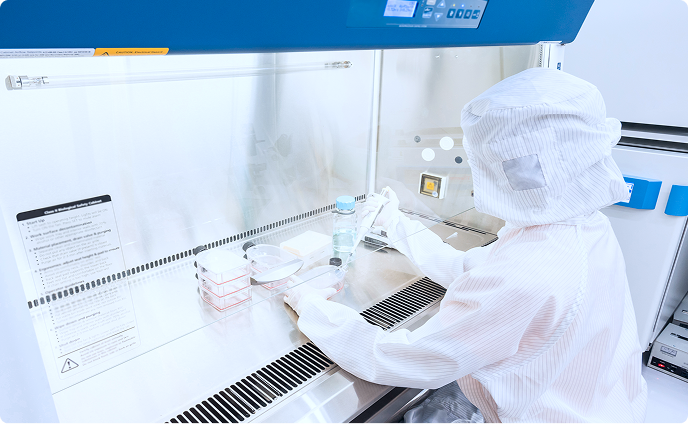







Cleanrooms depend on more than equipment, airflow, and disinfectants to maintain environmental stability. Human activity is the single largest contributor to particle generation and the risk of contamination. Because operators influence every aspect of environmental control—from gowning and movement to cleaning and documentation—effective training is one of the strongest tools in cleanroom contamination control.
Even in highly automated environments, operator technique, consistency, and awareness determine the reliability with which a cleanroom performs. When training is strong, operators reinforce contamination control. When it is weak, variability increases, raising risk and driving excursions, observations, and environmental instability. This is why regulators place so much emphasis on documented, competency-based training.
This article examines how operator training influences cleanroom performance and how facilities can strengthen contamination control by improving technique consistency and reducing operator-induced contamination.
Why Operator Training Has Such a High Impact
Cleanrooms function through tightly controlled interactions between people, surfaces, equipment, and airflow. Operators influence all of these elements. Poor training or inconsistent execution directly affects:
- Particle generation.
- Microbial shedding.
- Pressure stability.
- Airflow patterns.
- Surface contamination.
- Equipment cleanliness.
- Environmental monitoring results.
Strong training programs help ensure that personnel act as partners in contamination control — not contributors to contamination events.
How Operator Behavior Drives Contamination Risk
Most operator-error contamination events are attributable to human behavior rather than equipment malfunction. Common behavioral contributors include:
- Inconsistent wiping techniques.
- Improper gowning or glove sanitation.
- Touching non-cleanroom surfaces before re-entry.
- Moving too quickly or creating turbulence.
- Poor handling of wipes, tools, or carts.
- Reaching above sterile or high-risk surfaces.
- Breaking unidirectional flow.
- Incorrect cleaning sequences.
- Cross-contamination between rooms or zones.
Training helps operators understand how these actions affect environmental stability.
Key Training Areas for Effective Cleanroom Contamination Control
Strong cleanroom contamination control depends on a combination of theoretical knowledge, hands-on technique, and routine reinforcement. Essential training areas include:
1. Contamination Fundamentals
Operators should understand:
- What contamination is.
- How particles and microbes behave in airflow.
- How their actions influence contamination spread.
- Why small lapses lead to environmental excursions.
Understanding the “why” behind the rules increases adherence.
2. Gowning and Personal Behavior
Training must include:
- Correct gowning sequence.
- Glove sanitization frequency.
- Avoiding unnecessary movement.
- Minimizing garment contact with surfaces.
- Proper entry, exit, and workflow patterns
Gowning training directly reduces operator error contamination.
3. Cleaning and Disinfection Technique
Technique must be demonstrated, practiced, and validated. Training should cover:
- Unidirectional wiping.
- Top-to-bottom sequencing.
- Surface coverage expectations.
- Disinfectant contact times.
- Wipe and tool handling.
- Room-specific high-risk surfaces.
Consistent cleaning technique supports environmental stability.
4. Material and Equipment Handling
Operators must be trained to:
- Sanitize materials entering the cleanroom.
- Avoid blocking airflow paths.
- Maintain segregation between zones.
- Handle equipment without generating excess particles.
Small handling errors often lead to the spread of contamination.
5. Understanding Environmental Monitoring (EM) Impact
Operators should know how their behavior affects EM results:
- Movement creates particles.
- Improper glove hygiene affects viable recovery.
- Incorrect cleaning can shift EM trends.
- Repeated excursions indicate process drift.
Training increases ownership of contamination-control outcomes.
Why One-Time Training Isn’t Enough
Contamination control requires reinforcement. Drift occurs naturally over time unless technique and expectations are refreshed.
Effective training programs—whether internal or supported by third-party partners—include:
- Periodic refresher sessions.
- Hands-on retraining for areas with EM excursions.
- Competency assessments tied to SOP revisions.
- Observation-based feedback.
- Cross-shift consistency checks.
Routine reinforcement protects against contamination drift.
Recognizing Early Warning Signs of Training-Related Issues
Facilities often see subtle signs before contamination issues escalate. Early indicators of training gaps include:
- Increasing particle counts near personnel pathways.
- Recurring microbial recovery in the same zone.
- Poor disinfectant contact-time adherence.
- Incorrect sequencing during cleaning.
- Confusion around high-risk surfaces.
- Inconsistent documentation practices.
- Premature PPE wear or garment contact with surfaces.
Addressing these warning signs early improves environmental stability.
How Cleaning Partners Support Training Outcomes
While VibraClean does not design training programs, its services directly support contamination-control performance by:
- Delivering validated, consistent cleaning.
- Resetting environments after contamination events.
- Supporting environmental readiness before qualification.
- Reinforcing contamination-control best practices through execution.
- Providing documentation that aligns with client SOPs.
When operators and cleaning specialists perform consistently, cleanrooms maintain reliable, predictable performance.
Training is Central to Cleanroom Stability
Operator behavior has a measurable effect on environmental control. Strong training reduces operator error contamination, lowers environmental excursions, and supports reliable cleanroom contamination control. By reinforcing techniques, keeping SOPs clear, and responding promptly to early warning signs, facilities strengthen contamination control across all shifts.
If your facility needs support with validated cleaning, decontamination, or environmental-readiness cleaning to complement strong operator training, VibraClean’s team can help. Contact us for more information.