
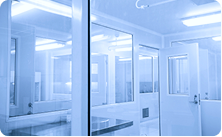
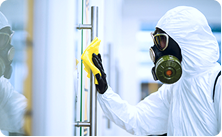




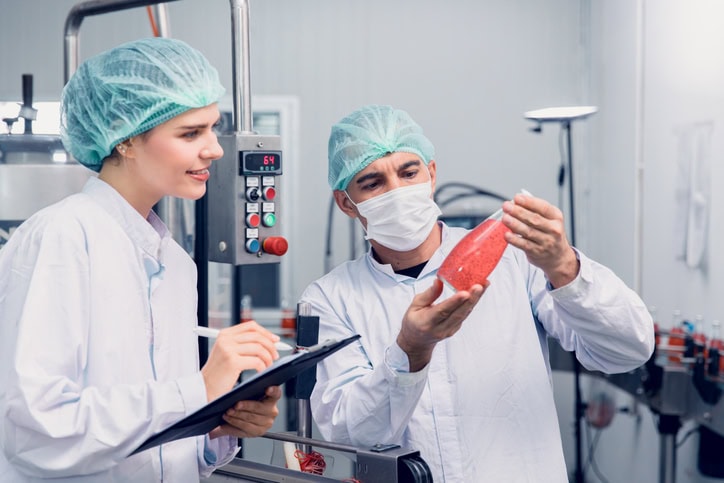
Cleaning in GMP environments is more than a routine task — it is a validated, documented process that directly impacts product quality, patient safety, and regulatory compliance. When auditors review a facility, they focus heavily on whether cleaning supports contamination control, whether documentation is complete, and whether execution is consistent across all shifts. As a result, many GMP audit findings stem from cleaning and disinfection issues that could have been prevented with clearer procedures, training, or environmental-readiness support.
This article highlights the top five audit findings related to facility cleaning, explains why they occur, and outlines how facilities can avoid common pitfalls by strengthening cleaning routines and contamination-control practices.
1. Incomplete or Inaccurate Cleaning Documentation
One of the most frequent GMP audit findings relates directly to documentation. Even when cleaning is performed correctly, incomplete or unclear logs can create the appearance of non-compliance.
Common issues include:
- Missing signatures or timestamps.
- Incomplete recording of disinfectants or lot numbers.
- Unclear or inconsistent descriptions of areas cleaned.
- Logs filled in after the fact rather than in real time.
- Discrepancies between SOP instructions and recorded entries.
Why does it happen:
Documentation is often treated as an afterthought rather than part of the cleaning process.
How to avoid it:
- Use standardized, easy-to-follow log formats.
- Train operators to complete documentation during cleaning.
- Verify logs routinely for completeness.
- Tie documentation practices to contamination-control expectations.
Strong documentation builds a defensible audit trail.
2. Poor Disinfectant Rotation or Incorrect Contact Times
Incorrect or inconsistent disinfectant use is one of the most visible compliance cleaning gaps. Auditors look for proper rotation, validated chemistries, and adherence to contact times.
Common issues include:
- Using the wrong disinfectant for the surface or classification.
- Failing to rotate disinfectants according to SOP.
- Inconsistent recording of disinfectant preparation.
- Inadequate dwell times.
- Expired or unapproved chemistries.
Why it happens: unclear SOPs, poor training, or inadequate tracking systems.
How to avoid it:
- Maintain a validated disinfectant rotation schedule.
- Track disinfectant preparation and lot numbers.
- Emphasize contact time in training.
- Include clear visual reminders in cleaning areas.
Consistent disinfectant practices are essential for contamination control.
3. Missed or Inconsistently Cleaned High-Risk Surfaces
Auditors frequently identify missed surfaces, surfaces cleaned out of sequence, or high-risk areas that receive inconsistent attention. These compliance cleaning gaps impact viable and non-viable environmental performance.
Commonly missed areas include:
- Door handles and pass-through frames.
- Equipment touchpoints.
- Undersides of work surfaces.
- Coving, corners, and low-airflow zones.
- Utility boxes, ports, or cable penetrations.
Why it happens: fast-paced operations, poor visibility, or unclear surface lists.
How to avoid it:
- Define high-risk surfaces clearly in SOPs.
- Include surface maps in cleaning instructions.
- Perform periodic visual inspections.
- Use top-to-bottom, clean-to-dirty sequencing consistently.
High-risk surface control is central to maintaining cleanroom conditions.
4. Cleaning Techniques That Do Not Match SOPs or Validation
Auditors expect cleaning techniques to match the documented procedures. Deviations — even subtle ones — often appear in GMP audit findings.
Common issues include:
- Circular wiping instead of unidirectional techniques.
- Incorrect sequencing.
- Inconsistent tool replacement.
- Improper glove hygiene during cleaning.
- Operators are improvising rather than following defined steps.
Why it happens: misunderstanding of SOPs or behavioral drift over time.
How to avoid it:
- Provide hands-on training and practical demonstrations.
- Use competency assessments for new and seasoned operators.
- Refresh training when EM trends indicate drift.
- Ensure SOPs reflect actual room layout and processes.
Technique consistency strengthens environmental stability.
5. Cleaning Not Aligned with Environmental Monitoring Trends
Cleaning programs must support environmental control. When environmental monitoring shows recurring issues and cleaning programs remain unchanged, auditors flag it as a failure of continuous improvement.
Common issues include:
- Repeated microbial recovery in the same area.
- Particle spikes that coincide with cleaning activities.
- Cleaning frequencies that do not reflect operational risk.
- No documentation linking EM results to program adjustments.
Why it happens: limited communication between cleaning operations, QA, and Facilities.
How to avoid it:
- Review EM trends to refine cleaning frequencies.
- Adjust rotation or sporicidal cycles when needed.
- Include high-risk areas in periodic deep cleaning.
- Ensure cleaning, EM, and gowning programs align.
Cleanrooms are dynamic spaces — cleaning must evolve with them.
Additional Red Flags Auditors Often Note
Beyond the top five, auditors frequently cite:
- Inconsistent tool storage.
- Clogged HEPA vacuums.
- Cross-contamination risk from improperly handled wipes and mops.
- Lack of traceability for cleaning tools.
- Poorly controlled cleaning material replenishment.
Each of these issues points to risk in contamination control, execution, or documentation.
Strengthening Cleaning Programs to Avoid Audit Findings
The most effective way to prevent cleaning-related GMP audit findings is to focus on:
- Validated, repeatable cleaning practices.
- Strong operator training.
- Clear documentation requirements.
- Contamination-control–aligned cleaning frequencies.
- Coordination between QA, Facilities, and cleaning teams.
- Periodic assessments of execution consistency.
These actions help ensure that cleaning programs meet regulatory expectations and support operational performance.
Strong Cleaning Programs Reduce Audit Risk
Many GMP audit findings stem from cleaning and disinfection practices. By addressing common compliance cleaning gaps, strengthening documentation, and aligning cleaning programs with contamination-control expectations, facilities improve audit readiness and environmental stability.
If your facility needs support in maintaining consistent, validated cleaning or preparing controlled environments for inspection readiness, VibraClean’s team can help. Contact us for more information.