
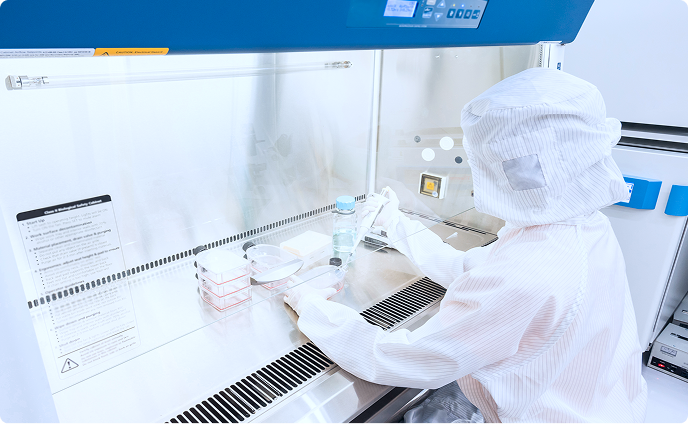



A cleanroom audit is one of the most valuable tools a GMP-regulated facility can use to strengthen contamination control, refine cleaning processes, and identify gaps that affect operational performance. While audit observations can feel challenging, they also reveal opportunities to improve consistency, documentation, environmental stability, and long-term compliance. Facilities that treat audits as improvement engines — rather than compliance tests — gain stronger control over their cleanrooms and cleaner, more predictable operating conditions.
Whether audits come from internal QA, client qualification teams, Health Canada, the FDA, or a certification body, each observation provides insights into how the cleaning and contamination-control program can evolve. Turning this feedback into structured improvements strengthens operations and supports long-term corrective action GMP practices.
This article explores how to turn audit findings into practical steps that reinforce cleanroom performance.
Why Audit Feedback Matters for Cleanroom Operations
Audits focus heavily on cleaning, disinfection, environmental performance, and documentation — because these areas directly affect product quality and safety. When auditors provide feedback, they highlight gaps that, if resolved, would strengthen the entire contamination-control program.
Strong response to audit feedback helps facilities:
- Reduce environmental monitoring excursions.
- Strengthen documentation integrity.
- Align SOPs and execution more closely.
- Tighten operator behavior and training.
- Reinforce contamination-prevention controls.
- Improve cleaning consistency across shifts.
When harnessed correctly, audit feedback becomes a continuous improvement roadmap.
Step 1: Understand the Root Cause of Each Observation
The first step in transforming audit feedback is identifying why the issue occurred. Observations related to cleaning often point to deeper process gaps.
Common root causes include:
- SOP ambiguity or outdated instructions.
- Technique drift among operators.
- Missing or unclear training.
- Improper disinfectant rotation.
- Ineffective sequencing or surface coverage.
- Documentation completed after the fact.
- Tools not stored or replaced correctly.
- Environmental factors influencing stability.
Understanding the root cause prevents recurrence and ensures sustainable improvement.
Step 2: Categorize Findings by Impact and Risk
Not all observations carry equal weight. Prioritization helps focus improvement efforts where they matter most.
Categories typically include:
- Contamination risk.
- Documentation and traceability issues.
- Cleaning execution gaps.
- Environmental performance concerns.
- Consistency or training-related gaps.
This structured approach aligns with corrective action GMP expectations, ensuring that higher-risk issues receive immediate attention.
Step 3: Strengthen Cleaning SOPs to Address Audit Insights
Many audit observations directly involve SOP clarity or alignment. Improvements may include:
- Clarifying step-by-step wiping sequences.
- Defining high-risk surfaces more clearly.
- Updating disinfectant rotations.
- Adding diagrams or surface maps.
- Improving contact-time instructions.
- Ensuring SOPs reflect the current room layout and equipment.
Clear, practical SOPs help ensure operators perform cleaning consistently and accurately.
Step 4: Revisit Training and Technique Consistency
Audit findings often reveal that operators interpret cleaning instructions inconsistently. Strengthening training helps close this gap.
Practical improvements include:
- Hands-on technique demonstrations.
- Competency assessments.
- Refresher training across shifts.
- Targeted retraining for high-risk areas.
- Emphasizing top-to-bottom and clean-to-dirty sequencing.
Training must blend procedure awareness with real operational technique.
Step 5: Improve Cleaning Documentation and Traceability
Documentation is one of the most common sources of cleanroom audit observations. Improvements may include:
- Simplifying or standardizing log formats.
- Emphasizing real-time recording.
- Documenting disinfectant lot numbers consistently.
- Improving clarity in surface coverage descriptions.
- Ensuring tool traceability where applicable.
Clean, complete documentation supports a defensible audit trail.
Step 6: Use EM Trends to Validate Improvements
Environmental Monitoring (EM) programs provide ongoing proof that corrective actions are working. Improvements should be validated against EM performance.
EM-driven insights include:
- Reduced recurring microbial findings.
- Improved viable recovery after retraining or SOP updates.
- Fewer particle spikes tied to cleaning inconsistencies.
- Stabilization of high-risk zones after adjustments.
Environmental monitoring trends help confirm whether improvements are effective and sustainable.
Step 7: Apply Change Control Where Required
Some improvements — such as new disinfectants, updated techniques, or revised cleaning frequencies — require change control. Facilities typically manage QMS-related updates (such as those mentioned) internally, while cleaning partners support execution and documentation aligned to those systems.
- Changes are assessed and documented.
- Risk evaluations are completed.
- Training is updated as part of the change.
- Related documents remain aligned.
Regulators expect all meaningful changes to follow structured processes.
Step 8: Monitor Execution and Reinforce Good Practices
Improvement is only effective if it is sustained. After implementing changes, facilities should:
- Observe operators performing cleaning.
- Review logs routinely.
- Confirm disinfectant rotation compliance.
- Spot-check high-risk surfaces.
- Verify alignment between SOPs and actual execution.
- Monitor EM trends for stability.
This ongoing oversight ensures improvements do not fade over time.
Turning Audit Findings into Long-Term Advantage
Facilities that embrace audit feedback typically achieve:
- Cleaner, more stable environments.
- Stronger contamination-control strategies.
- More consistent operator performance.
- Fewer recurring observations.
- Improved audit readiness.
- Enhanced patient and product protection.
Audit findings are not setbacks — they are inputs for strengthening the cleanroom control system.
Use Audit Feedback to Build a Stronger Cleanroom Program
A cleanroom audit provides valuable insight into how cleaning, documentation, training, and contamination control can be strengthened. By investigating root causes, improving SOP alignment, reinforcing operator technique, and validating improvements through environmental performance, facilities turn audit observations into meaningful corrective action GMP outcomes.
If your facility needs support maintaining consistent, validated cleaning or improving environmental readiness through contamination-control cleaning programs, VibraClean’s team can help. Contact us for more information.