



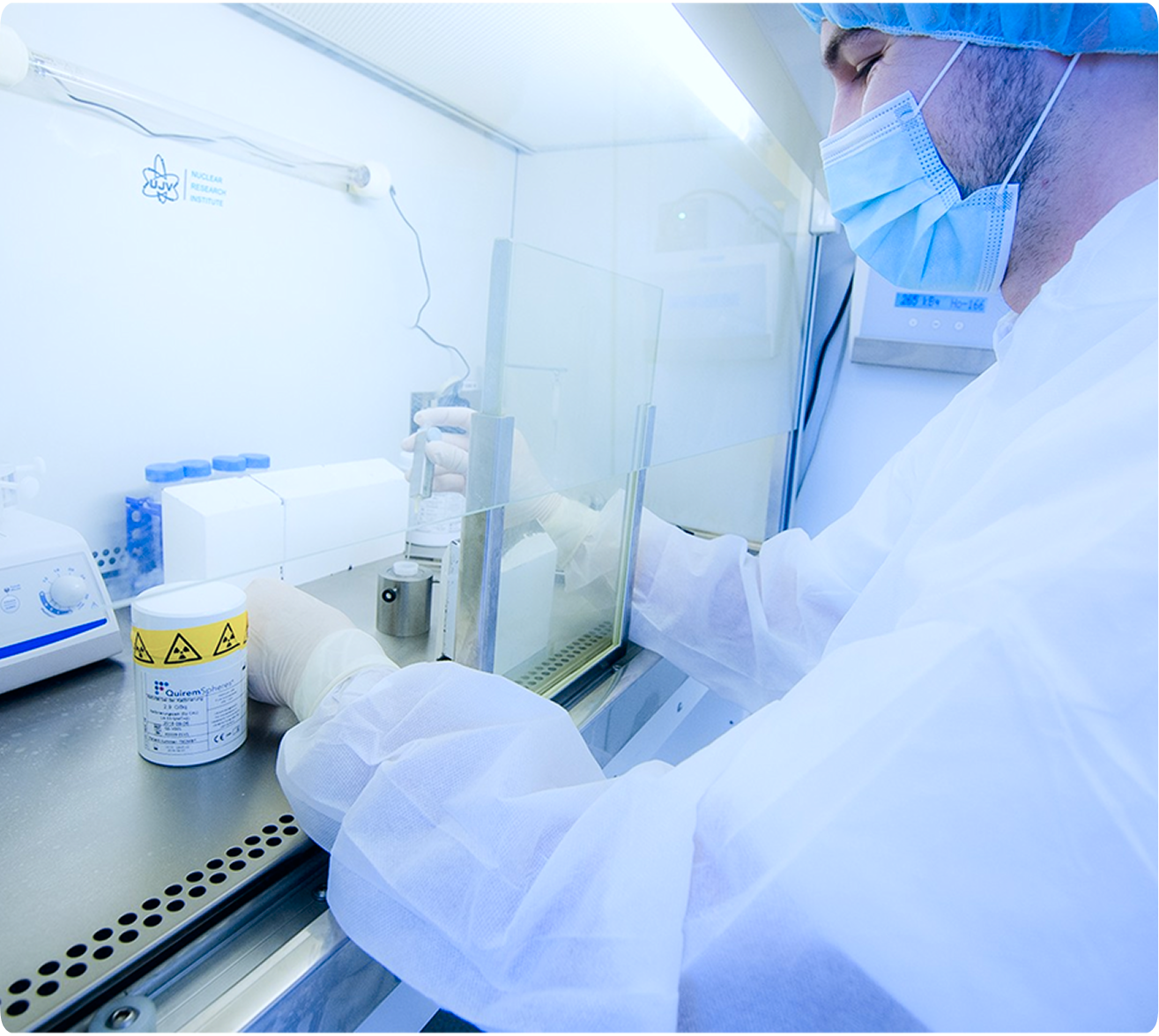
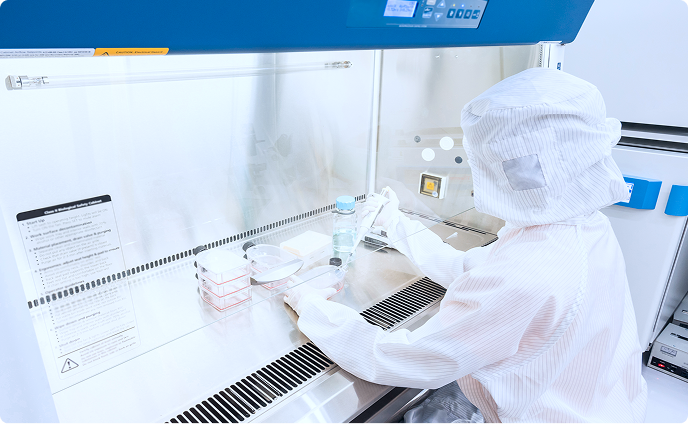








A well-designed environmental monitoring program is one of the most powerful tools a GMP facility has for detecting early signs of contamination. Cleanrooms rarely drift out of control suddenly. Instead, contamination trends emerge gradually—through subtle increases in viable counts, recurring particle spikes, airflow disruptions, or operator-related patterns. When facilities have a strong, data-driven EM program, these trends become visible long before they escalate into deviations, product impact, or audit findings.
Modern pharmaceutical, biotech, aseptic manufacturing operations, and ATMP facilities increasingly rely on proactive monitoring practices and smarter trending tools to understand how their environments behave. This is especially important as manufacturing becomes more complex, cleanroom classifications tighten, and regulators expect continuous oversight rather than periodic snapshots.
Below are the environmental monitoring trends and strategies that meaningfully reduce contamination risk—supported by a strong particle monitoring strategy and lifecycle-based EM principles.
Why Trend Analysis Is Essential in Environmental Monitoring
Individual EM results tell only part of the story. What regulators want to see is how results behave over time and whether a facility recognizes early signals of drift.
Effective trending helps teams:
- Detect contamination risk before it impacts product.
- Identify recurring patterns tied to shifts, processes, or seasons.
- Strengthen investigations and CAPA effectiveness.
- Adjust cleaning frequencies and disinfectant rotation.
- Improve HVAC performance assessments.
- Reduce audit findings related to EM deficiencies.
Regulators now expect EM programs to demonstrate lifecycle control—not just pass/fail results.
Real-Time Particle Monitoring Replacing Periodic Spot Checks
Traditional EM programs rely on handheld particle counters or manual sampling at fixed intervals. While still valuable, these snapshots may miss short bursts of contamination tied to:
- Equipment operation.
- Personnel movement.
- Door openings.
- Airflow disturbances.
Facilities are increasingly adopting continuous or semi-continuous systems as part of a modern particle monitoring strategy. These systems:
- Capture particle spikes in real time.
- Provide detailed trending during critical process steps.
- Integrate with HVAC systems to detect pressure anomalies.
- Deliver more meaningful data for investigations.
Continuous particle data improves confidence in maintaining ISO compliance throughout production.
Seasonal and Environmental Trend Tracking
Environmental data is often influenced by external factors such as humidity, temperature, and seasonal patterns. Facilities are now tracking:
- Higher viable counts in summer due to humidity.
- Particle fluctuations during cold-weather HVAC changes.
- Differences in contamination trends by season or shift.
Mapping such trends allows for proactive adjustments in:
- Cleaning frequencies.
- Disinfectant rotation.
- HVAC settings.
- Gowning reinforcement.
This pattern-based approach strengthens environmental control year-round.
Increased Diagnostic Use of Airflow and Pressure Data
Environmental results are often symptoms—not causes—of contamination drift. More facilities now correlate EM data with:
- Pressure differential readings.
- Airflow visualization results.
- HEPA integrity test data.
- Air change rate trending.
By interpreting EM results alongside airflow performance, teams gain deeper insight into the root causes of environmental variation.
Examples include:
- Repeated excursions near HEPA edges.
- Particle spikes during equipment startup.
- Increased viable counts near areas with turbulent airflow.
These insights help facilities correct contamination risks early.
Hotspot Identification Through Zone-Based Trending
Instead of trending data by sampling point alone, facilities are grouping and analyzing results by:
- Room classification.
- Activity zones.
- Gowning areas.
- High-traffic corridors.
- Equipment-dense zones.
This zone-based method reveals patterns like:
- Repeated spikes at personnel ingress points.
- Higher viable counts near complex equipment.
- Recurring contamination tied to material movement.
A strong environmental monitoring program uses zoning to refine sampling plans and risk assessments.
Using Operator-Related Trending to Strengthen Training
Person-dependent variation is a major contributor to contamination events. Trending results by shift or operator behavior helps pinpoint:
- Where gowning drift has occurred.
- Which tasks contribute to increased contamination?
- Whether retraining improves EM performance.
By linking human behavior to EM outcomes, facilities can more effectively address contamination risks.
Lifecycle-Based Trend Review as a Core Quality Tool
Regulators expect EM programs to be dynamic—not static. Facilities now conduct:
- Monthly EM trending reviews.
- Quarterly contamination control reviews.
- Annual lifecycle assessments for the EM program.
During these reviews, teams evaluate:
- Alert and action limit performance.
- Patterns of recoverable organisms.
- Differences between viable and non-viable data.
- Links between EM drift and equipment or process changes.
- Need for requalification or sampling adjustments.
Lifecycle reviews ensure EM programs adapt to evolving operations.
Data-Driven Adjustments to Cleaning and Disinfection
One of the most significant impacts of EM trends is their ability to enhance contamination control strategies. Facilities are using trend data to:
- Increase cleaning frequency in problematic zones.
- Adjust disinfectant rotation.
- Enhance sporicidal cycles.
- Refine SOPs for material movement.
- Strengthen visual cleaning aids or operator reminders.
Environmental data becomes a feedback loop for continuous improvement.
Even minor EM trends—when acted on early—can prevent larger contamination events and improve audit outcomes.
Trending Linked to Investigations and CAPA
Auditors increasingly expect EM trend data to be integrated into:
- Deviation investigations.
- Root cause analysis.
- CAPA justification.
- Preventive measures.
A strong particle monitoring strategy reflects this expectation by providing reliable, repeatable data that supports defensible decisions.
This integration strengthens the facility’s contamination control program and reduces regulatory exposure.
Smart Environmental Monitoring Reduces Risk Before It Becomes Expensive
A proactive environmental monitoring program is one of the most effective tools for preventing contamination incidents. By leveraging real-time data, zoning trends, seasonal patterns, and insights into operator behavior—supported by a robust particle-monitoring strategy—facilities can detect risks early, adjust processes proactively, and improve overall contamination control.
If your team needs support analyzing EM trends, refining sampling plans, or strengthening contamination control strategies, our specialists can help. Contact us for more information.