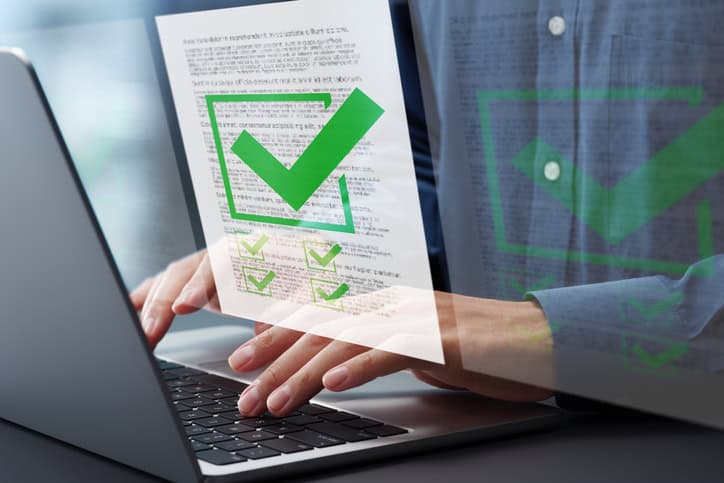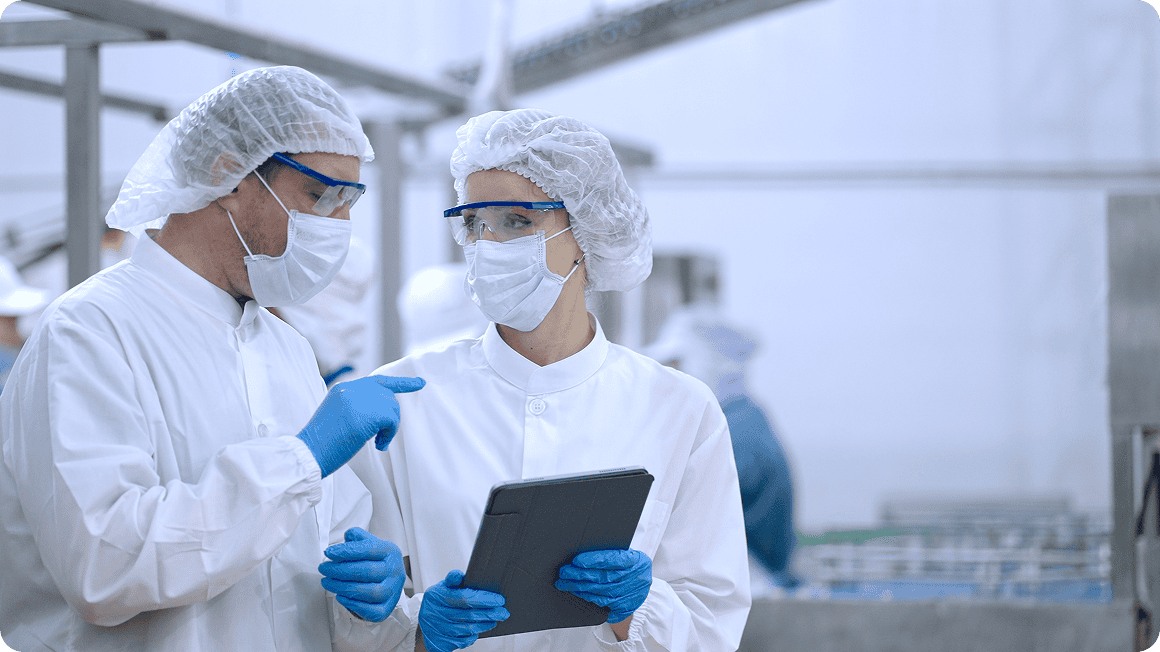
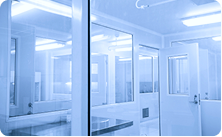
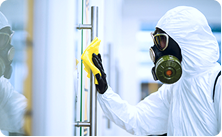
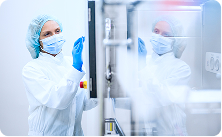
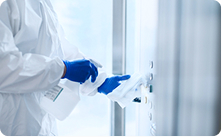

Our validated cleaning programs ensure consistency, traceability, and compliance in every room, shift, and site, maintaining production on schedule.

We design and validate organism-specific decontamination programs that restore operations safely and withstand regulatory scrutiny.

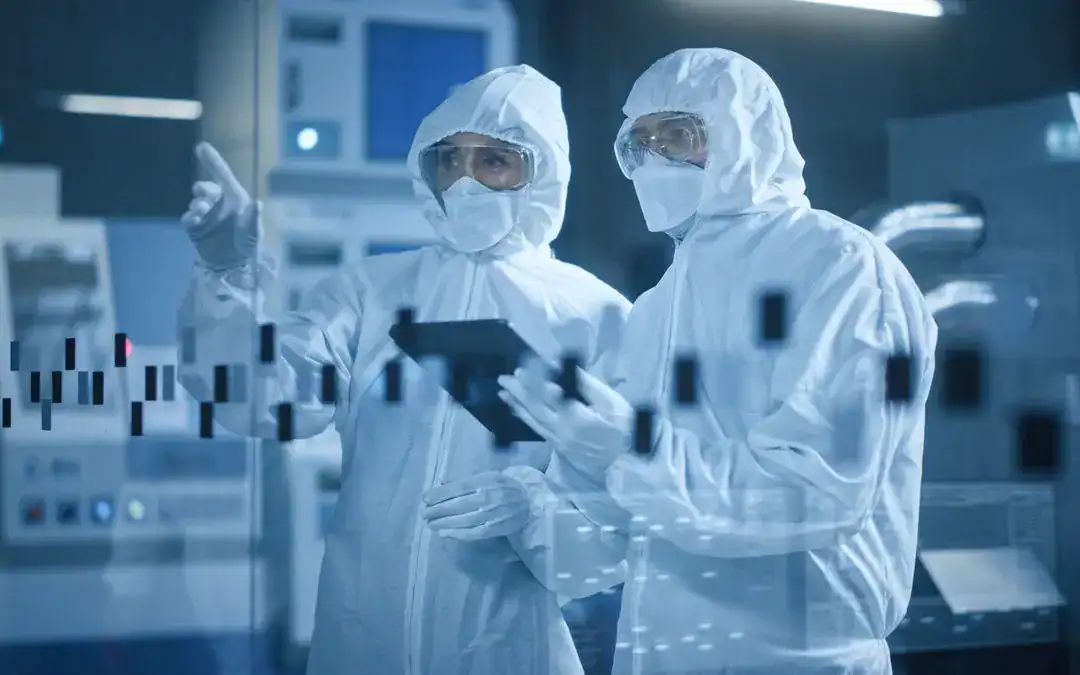
From contamination incidents to shutdown recovery, our decontamination teams deliver validated results and complete regulatory documentation.

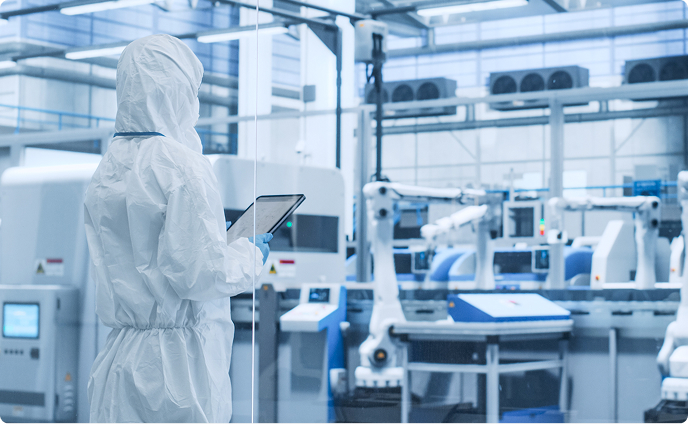
We build specialized service packages aligned to your production schedule — minimizing disruption, stabilizing costs, and ensuring audit-ready results.

We strengthen contamination control programs with aligned systems, clear records, and trained teams, so every inspection runs smoothly.

We tailor solutions to meet your unique needs

Success Stories (Coming Soon)

Proven outcomes across regulated sites

Blogs / Insights

Practical industry updates

News & Announcements (Coming Soon)

Service updates, events, partners

FAQs (Coming Soon)

Fast answers to common questions

Success Stories

Share your challenges. We’ll recommend the right program.

Our Story

Who we are and how we work.

Partners (Coming Soon)

Vetted suppliers and partners.

Careers (Coming Soon)

Join our trained, precision-minded teams.

Contact Us

Talk to a specialist.

Your Trusted Partner
We are the regulated Industries first choice
Talk to an expert to discuss your requirements

Home

>

News & Insights

Overview of Hydrogen Peroxide Fogging

Learn how Vibraclean helps facilities select the right decontamination method to achieve regulatory compliance and safe environments.

What Is Disinfectant Fogging?

Fogging is a better choice for facility sterilization. It can eliminate all contaminants in your cleanroom, even those hidden in hard-to-reach spots — between the floorboards, behind cabinets, or in the cracks between a row of desks.

How Does Disinfectant Fogging Work?

Disinfectant fogging starts with a solution of hydrogen peroxide (H2O2). Hydrogen peroxide is a powerful chemical disinfectant that can rapidly eliminate germs, bacteria, viruses, spores, and fungi, as the CDC has confirmed.

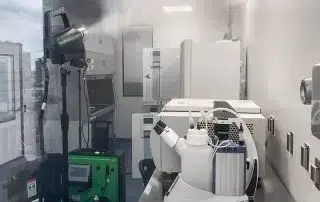
Fogging uses liquid H2O2 to create a thick disinfectant fog. The decontamination services team will use a room-sanitizing machine to disperse the hydrogen peroxide fogging treatment throughout your workspace, so it settles into every nook and cranny, leaving no spot untouched. The result is a truly pristine environment, free of contaminants and pollutants.

Is Disinfectant Fogging Safe?

As long as you work with an experienced, professional team, disinfectant fogging is one of the safest ways to sterilize your cleanroom. A good decontamination services team will shut off your HVAC unit and ensure the space is evacuated before they get to work.

They will also be able to tell you when you can return to work in the fogged environment. Bear in mind that you won’t need to evacuate the entire building; just the room being fogged. Normally, the process is smooth and easy, and people can get back to work in as little as an hour.

Fogging has become increasingly popular among cleanroom managers and anyone involved in maintaining a critical workspace. Fogging provides a level of reliability that is hard to match with conventional methods. Contact us for more information.
- Recent Post

The Role of Training in Cleanroom Contamination Control

Proving Compliance Through Better GMP Cleanroom Cleaning Documentation

Aligning Your QMS with GMP Cleaning Requirements

How Cross-Functional QA and Facilities Teams Improve Cleanroom management

Continuous Monitoring for Cleanroom Requalification of Decontaminated Spaces

Standardize. Document. Deliver.

Tell Us Your Cleanroom Challenge. We’ll Recommend The Best Next Steps.