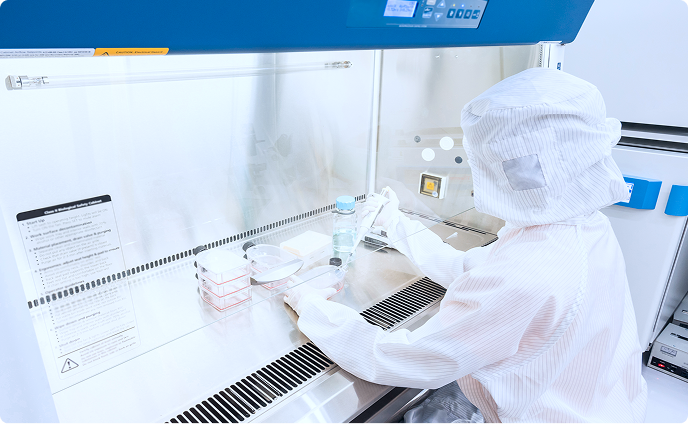



Cleanrooms are designed to maintain controlled environmental conditions, but even well-run facilities encounter unexpected contamination events. Whether caused by personnel behavior, equipment malfunction, process deviation, construction intrusion, or facility change, contamination can compromise the cleanroom’s ability to perform within its validated state. Knowing when cleanroom requalification is required is essential for ensuring environmental stability, regulatory compliance, and operational safety.
Requalification verifies that the room continues to meet its intended ISO classification, environmental control benchmarks, and contamination control expectations. Deciding when to requalify should be based on risk, environmental performance, and the severity of the event. Effective cleaning and contamination recovery help stabilize the environment, but requalification confirms the room is safe to return to service.
This article outlines the key scenarios where requalification is warranted and explains how cleaning and environmental recovery support the process.
Why Requalification Matters After Contamination Events
Requalification ensures:
- The cleanroom meets its ISO classification.
- Particle and viable levels remain within acceptable limits.
- Airflow and pressure control support contamination control.
- The environment is stable enough for safe operations.
- Cleaning and recovery efforts were effective.
Without requalification, a facility might resume operations in an uncontrolled or partially recovered environment, risking product quality and regulatory findings.
Significant Environmental Monitoring Excursions
Environmental Monitoring (EM) data is often the first signal that a room may have drifted out of control. When particle or microbial counts exceed limits — especially repeatedly — cleanroom requalification may be necessary.
Requalification is recommended when:
- Multiple excursions occur in the same area.
- Excursions exceed action limits.
- Trending suggests progressive environmental decline.
- Viable organisms appear across multiple rooms.
- Excursions coincide with operational or layout changes.
Requalification confirms whether the environment has fully recovered.
Visible Contamination or Spill Incidents
Spills, resin or powder releases, chemical residues, microbial spread, or visible particulate contamination require immediate cleaning. After the event is contained and cleaned, requalification ensures the environment has returned to its validated performance.
Requalification should be considered when:
- Contamination spread beyond the spill zone.
- The event reached high-risk surfaces.
- Residue entered equipment housings or airflow paths.
- The material poses microbial or particulate risk.
- Surface contamination appeared after the initial event.
This ensures effective contamination recovery before operations resume.
HVAC, Airflow, or Pressure Instability
Airflow disruptions significantly impact contamination-control performance. Even if levels appear to stabilize after repairs, requalification confirms the system functions as intended.
Requalification is appropriate after:
- Pressure differential failures.
- HVAC downtime or maintenance.
- Airflow pattern changes.
- Filter replacements or major adjustments.
- Any event that alters ventilation performance.
Air stability directly affects environmental stability and particle behavior.
Construction or Maintenance Intrusion
Construction is one of the highest-risk scenarios for contamination. Dust, particulates, and microbial contaminants can penetrate controlled spaces despite robust isolation protocols.
Requalification is warranted when:
- Contractors enter classified spaces.
- Materials, tools, or equipment cross into cleanrooms.
- Renovations occur next to critical areas.
- Unplanned facility penetrations are discovered.
- Floors, walls, or ceilings are opened.
Even after deep cleaning, validation testing is needed to confirm control.
Changes in Equipment, Layout, or Processes That Affect Flow
Though not all operational changes require requalification, some may alter contamination risk.
Requalification should be considered when changes impact:
- Room layout.
- Airflow patterns.
- Material-flow or personnel-flow paths.
- High-risk zone accessibility.
- Equipment that generates heat, vibration, or particulates.
Even minor changes can shift environmental performance..
Extended Shutdowns or Idle Periods
Cleanrooms that remain unused for extended periods may experience environmental drift.
Requalification may be needed when:
- The room has been idle beyond SOP-defined limits.
- Dust or viable load increased during downtime.
- HVAC stability cannot be demonstrated.
- Cleaning was not maintained during the idle period.
This ensures environmental readiness before restarting operations.
Repeated Cleaning Failures or Documentation Issues
If routine cleaning fails to control trends—or documentation gaps obscure whether cleaning was performed correctly—requalification helps reset the environmental baseline.
Requalification is useful when:
- Recurring microbial recovery suggests inadequate surface control.
- Particle data worsens despite cleaning.
- Incorrect disinfectant use is discovered.
- Surface coverage issues persist.
- Documentation leaves uncertainty about cleaning status.
Requalification confirms that corrective cleaning actions were effective.
How Cleaning Supports Requalification
Validated cleaning plays a major role in environmental recovery. Strong cleaning programs support requalification by:
- Reducing particle and microbial load.
- Resetting surfaces after contamination.
- Aligning disinfectant rotation with organism risk.
- Removing residues that interfere with environmental performance.
- Stabilizing conditions before at-rest and operational testing.
Cleaning prepares the room; requalification confirms the recovery.
When Requalification May Not Be Required
Not every event triggers requalification. Minor deviations with known root causes — and quick, effective corrective actions — may be resolved through:
- Targeted cleaning.
- Additional disinfection.
- Enhanced monitoring.
- Short-term trending.
Risk assessments and internal QA processes should guide the decision.
Requalification Confirms Cleanroom Recovery
Effective cleanroom requalification ensures that contamination events, environmental deviations, shutdowns, or facility changes have been fully resolved. It confirms that the cleanroom is operating as intended and minimizes future contamination recovery concerns.
If your facility needs support with validated cleaning, contamination-control recovery, or environmental-readiness cleaning prior to requalification, VibraClean’s team can help. Contact us for more information.