




How Cross-Contamination Events Trigger Regulatory Action

In GMP-regulated environments, few risks carry as much regulatory exposure as cross-contamination. Whether it involves microbial spread, chemical residue, particulate transfer, or unintended product carryover, cross-contamination undermines product quality and patient safety — two pillars at the heart of Good Manufacturing Practice requirements. As a result, cross-contamination GMP events are among the fastest ways facilities […]
Top 5 Audit Findings Related to Facility Cleaning and How to Avoid Them
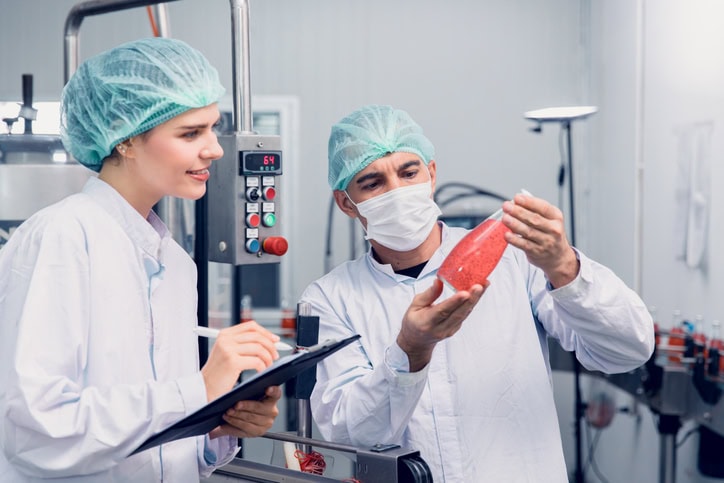
Cleaning in GMP environments is more than a routine task — it is a validated, documented process that directly impacts product quality, patient safety, and regulatory compliance. When auditors review a facility, they focus heavily on whether cleaning supports contamination control, whether documentation is complete, and whether execution is consistent across all shifts. As a […]
Top 8 Traits to Look for in Post-Construction Decontamination Cleaning Services
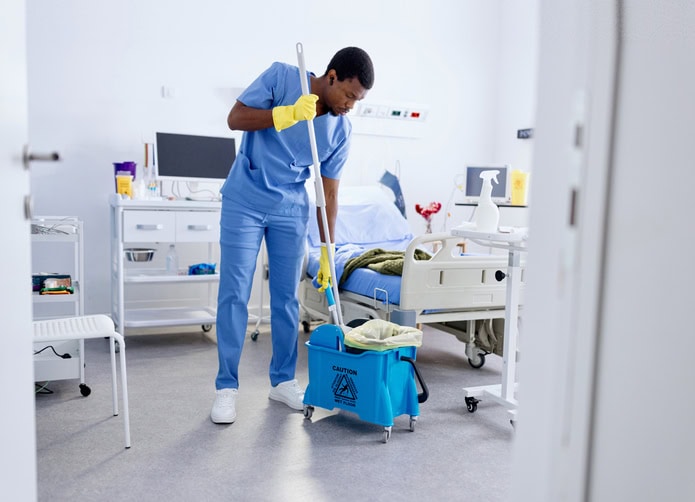
Newly constructed or renovated cleanrooms may look spotless, but construction activities leave behind fine particulate matter, adhesives, drywall dust, microbial contaminants, and residues that standard janitorial cleaning cannot remove. Before a cleanroom can move into commissioning, qualification, or early operations, it requires specialized decontamination cleaning services that understand the unique demands of controlled environments. The […]
The Difference Between an Internal Team and Specialized Cleanroom Providers
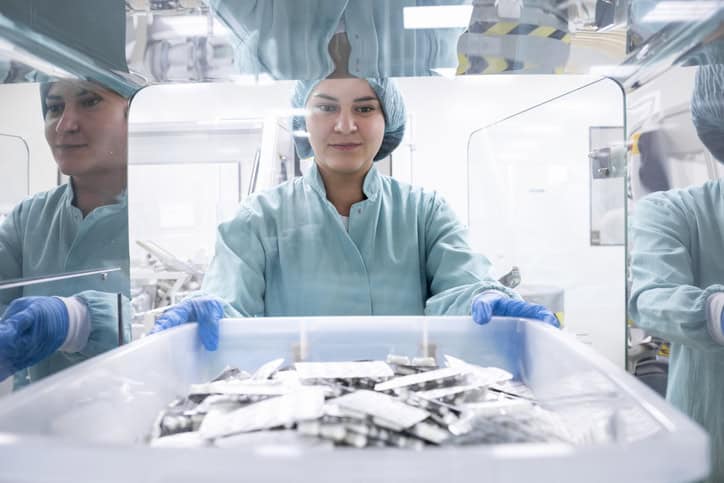
Cleanrooms demand precision, consistency, and a deep understanding of contamination control. As facilities grow more complex and regulatory oversight increases, many organizations face the question of in-house vs. contracted GMP cleaning. Should the cleaning and disinfection of controlled environments be handled by employees — or by specialized clean room providers who focus solely on GMP […]
The Hidden Costs of Improper Facility Decontamination in Sterile Manufacturing
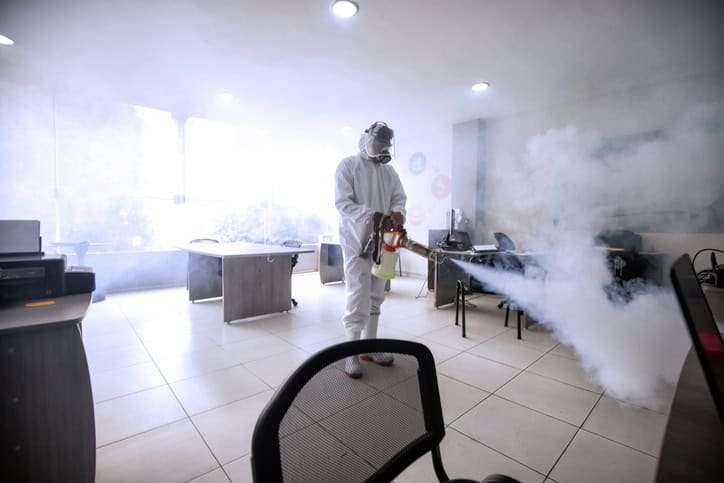
Sterile manufacturing environments depend on strict contamination control to protect product quality and patient safety. Even a minor lapse in facility decontamination can trigger a chain reaction of problems that are far more expensive than the effort required to prevent them. Poor decontamination doesn’t just threaten microbial control—it increases audit risk, disrupts production schedules, strains […]
How Particle Counts Correlate with Product Quality
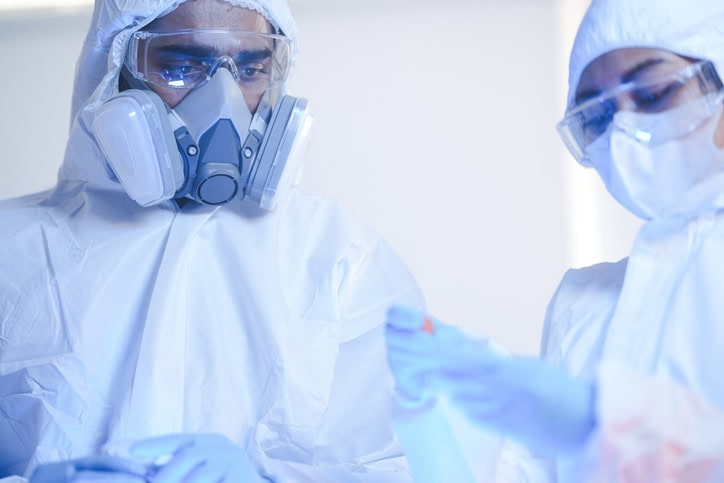
Particle control is one of the foundations of cleanroom performance. Even in non-sterile GMP operations, airborne and surface particles influence contamination potential, equipment behavior, and downstream product outcomes. This is why particle count cleanroom monitoring is built into ISO classifications, Environmental Monitoring (EM) programs, and routine cleaning expectations across regulated industries. When particle levels rise, […]
Environmental Monitoring Trends That Reduce Risk
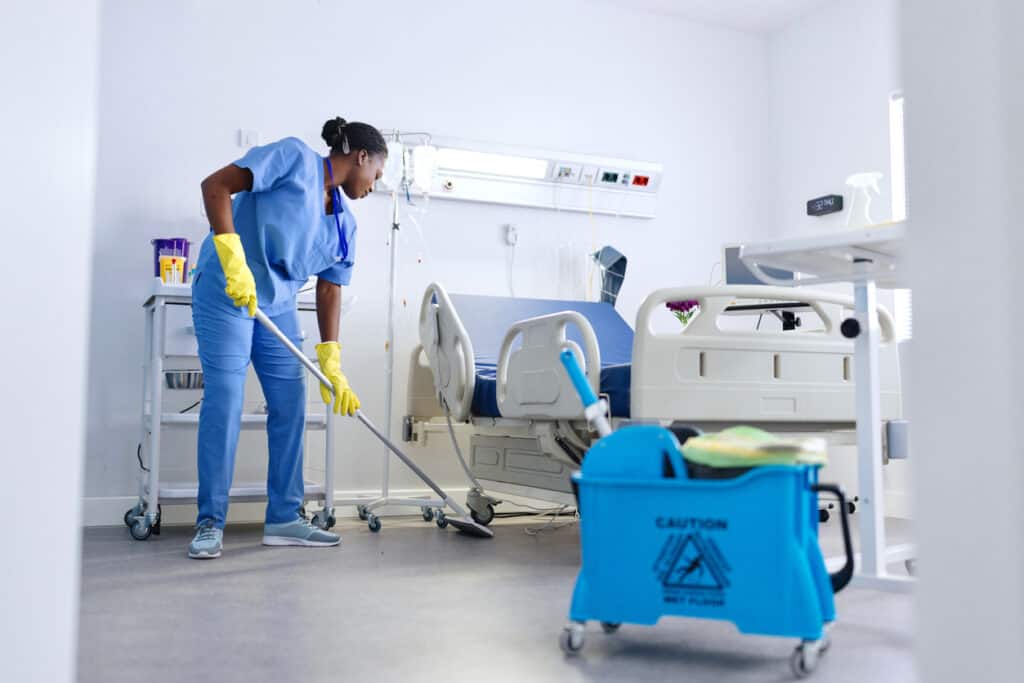
A well-designed environmental monitoring program is one of the most powerful tools a GMP facility has for detecting early signs of contamination. Cleanrooms rarely drift out of control suddenly. Instead, contamination trends emerge gradually—through subtle increases in viable counts, recurring particle spikes, airflow disruptions, or operator-related patterns. When facilities have a strong, data-driven EM program, […]
Understanding ISO 14644 Updates and Their Impact on Operations
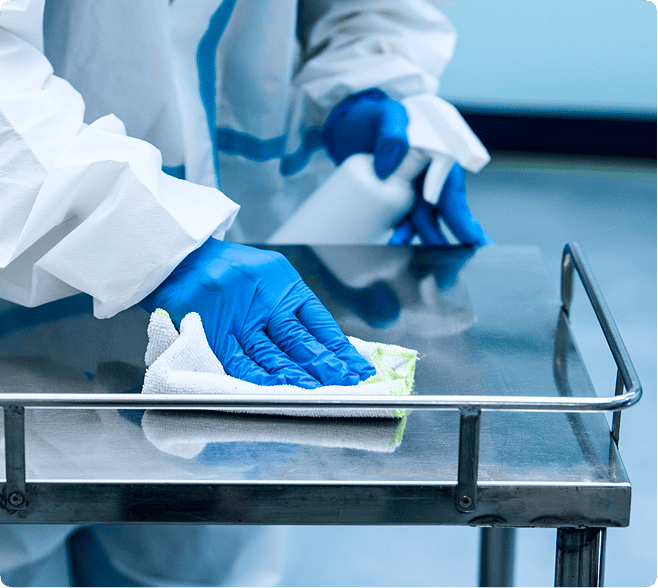
Cleanroom classifications and environmental control requirements evolve over time, and staying aligned with ISO 14644 standards is essential to maintain compliance in regulated industries. From pharmaceutical manufacturing and biologics processing to electronics, aerospace, and medical device production, ISO 14644 defines the core framework for classifying, monitoring, and maintaining cleanrooms. When updates are published, they often […]
Validation Documentation Checklist for Cleanroom Cleaning Programs
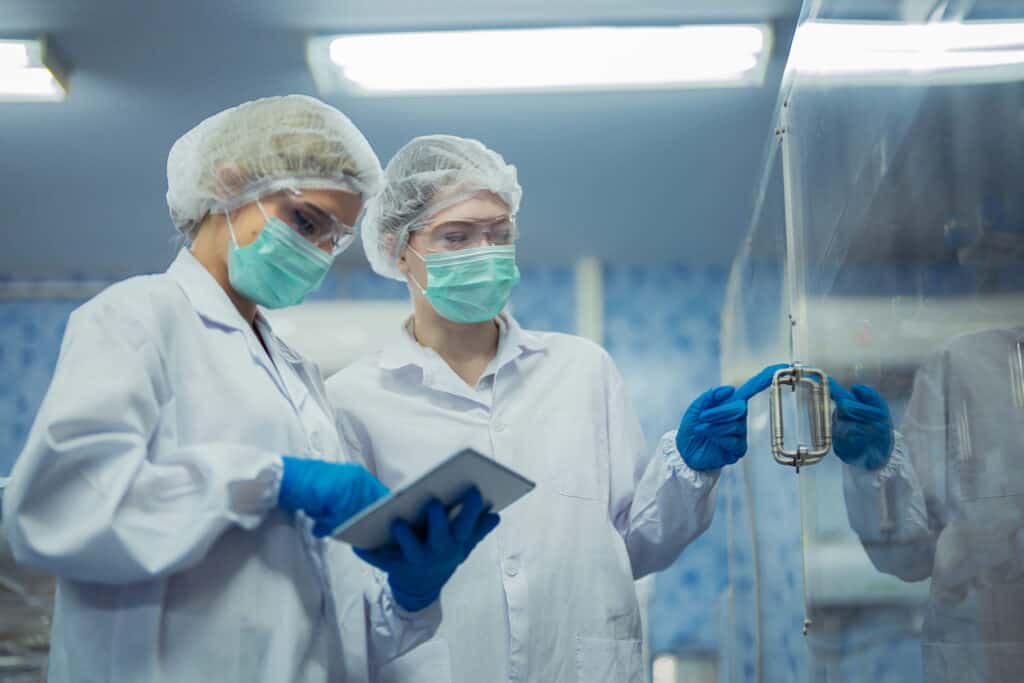
A cleanroom cleaning program is only as strong as the documentation that supports it. Even if cleaning practices are executed perfectly, a facility cannot demonstrate control unless the procedures, validation studies, and supporting records are complete, accurate, and readily accessible. This is especially important during inspections, where regulators expect to see the full lifecycle of […]
Transitioning from Construction to Operational Cleanroom Readiness
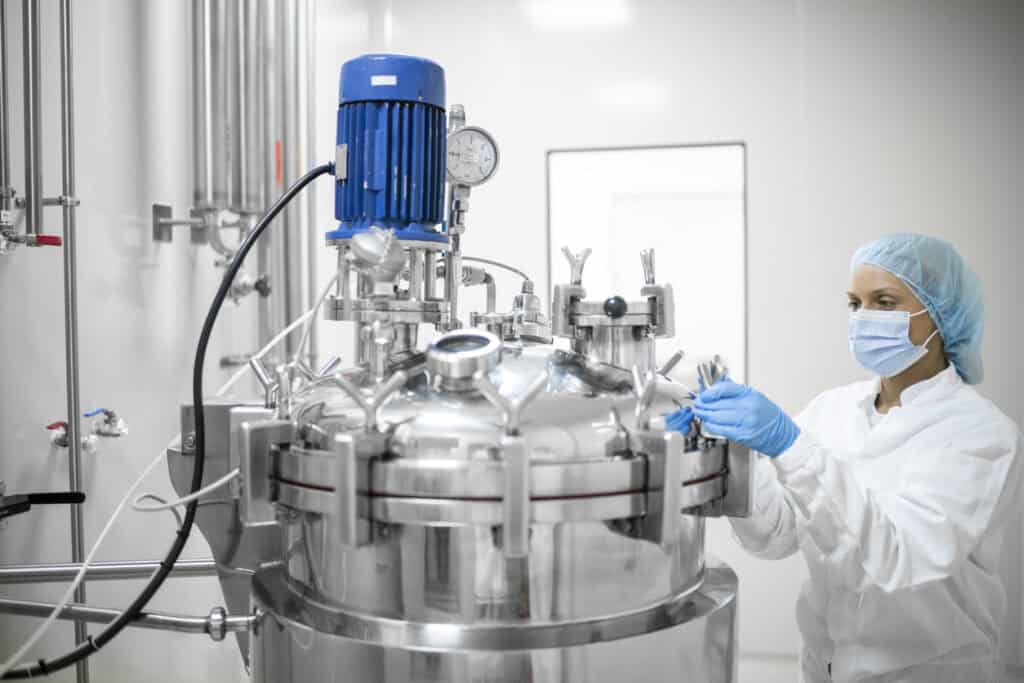
Moving a cleanroom from construction to a fully operational, GMP-aligned environment requires more than completing the build. Dust, drywall residue, construction materials, microscopic debris, and microbial contamination can linger long after contractors leave. Without a disciplined, validated approach to cleanroom commissioning, these contaminants can compromise environmental control, delay qualification, and disrupt production timelines. Commissioning is […]